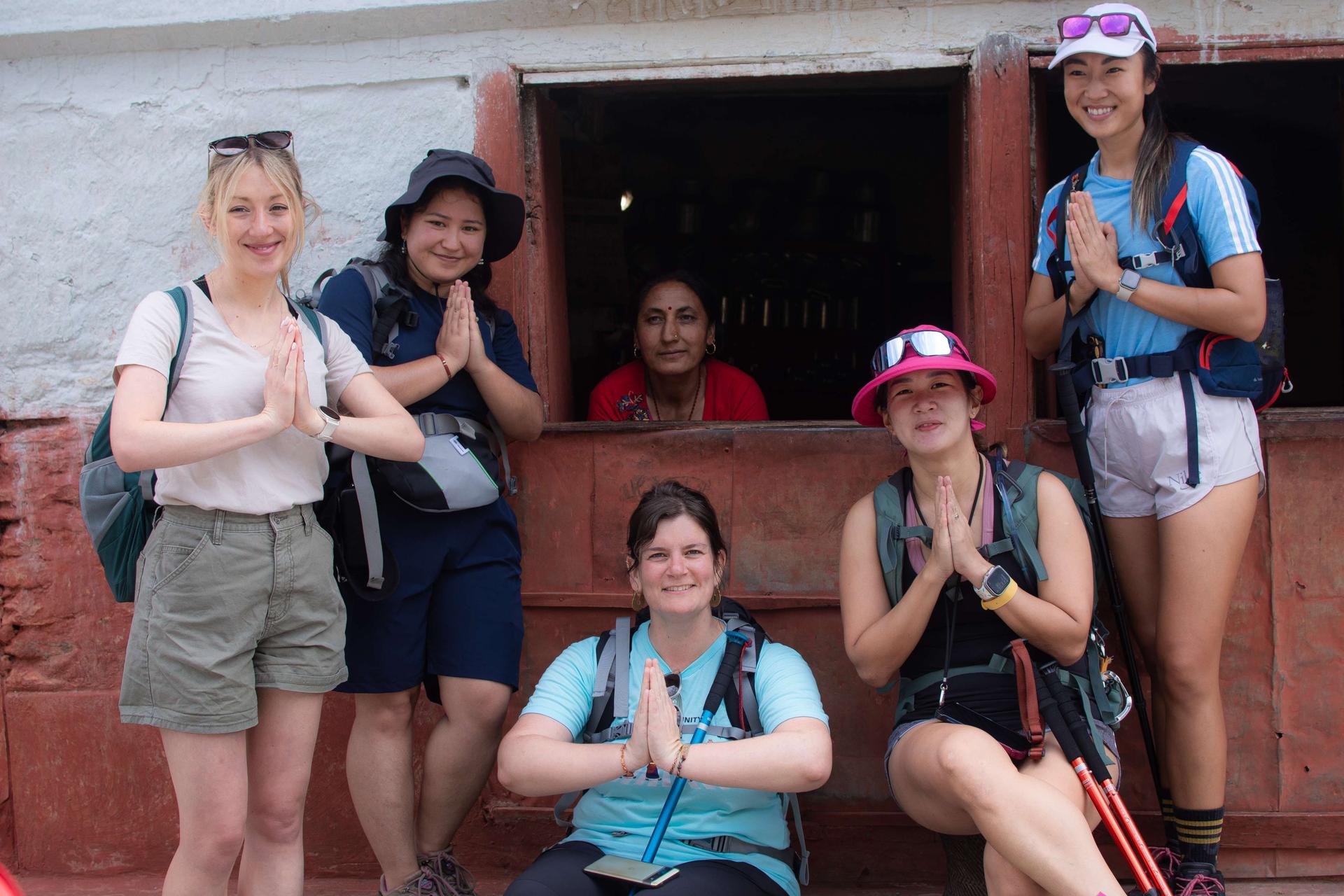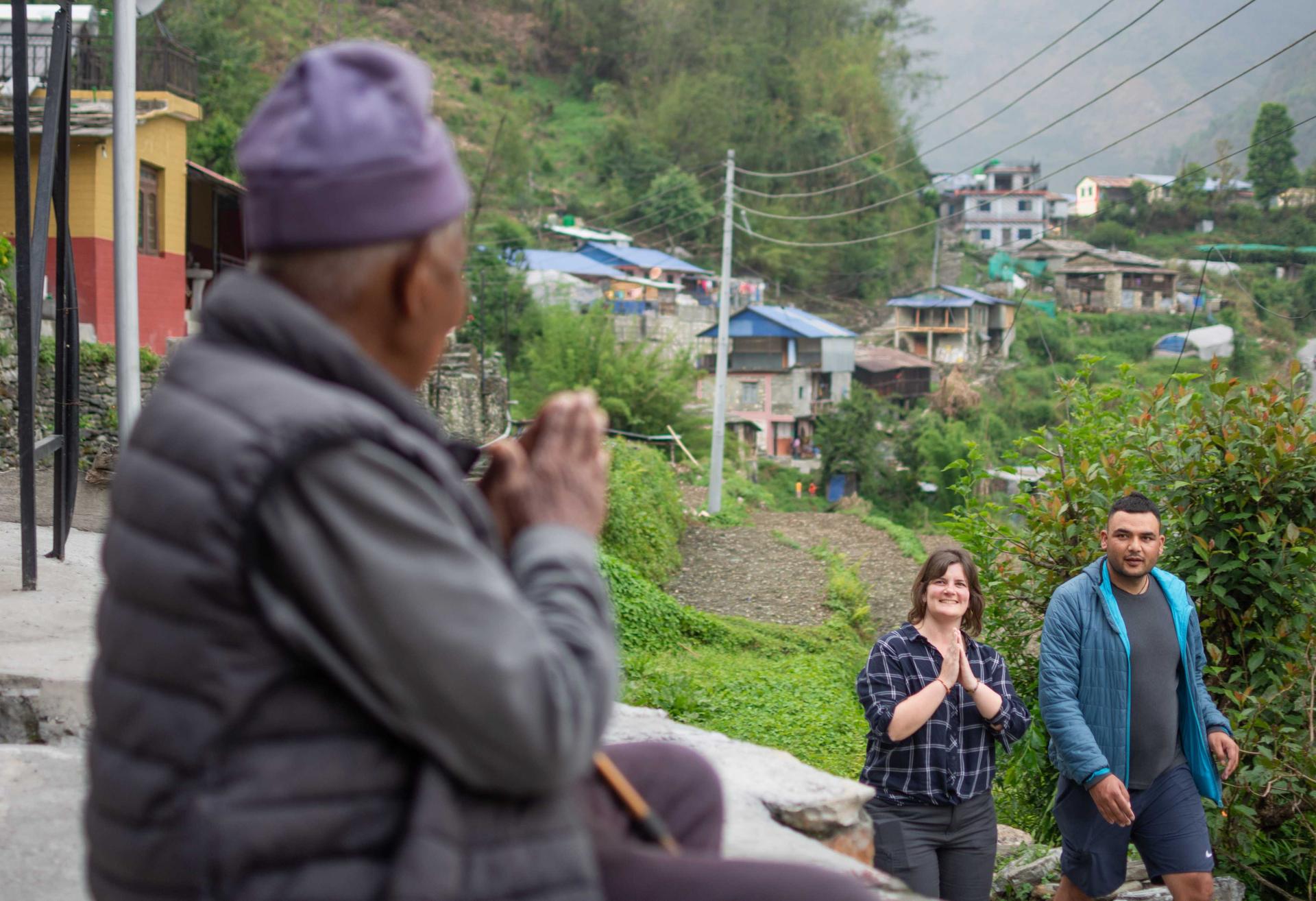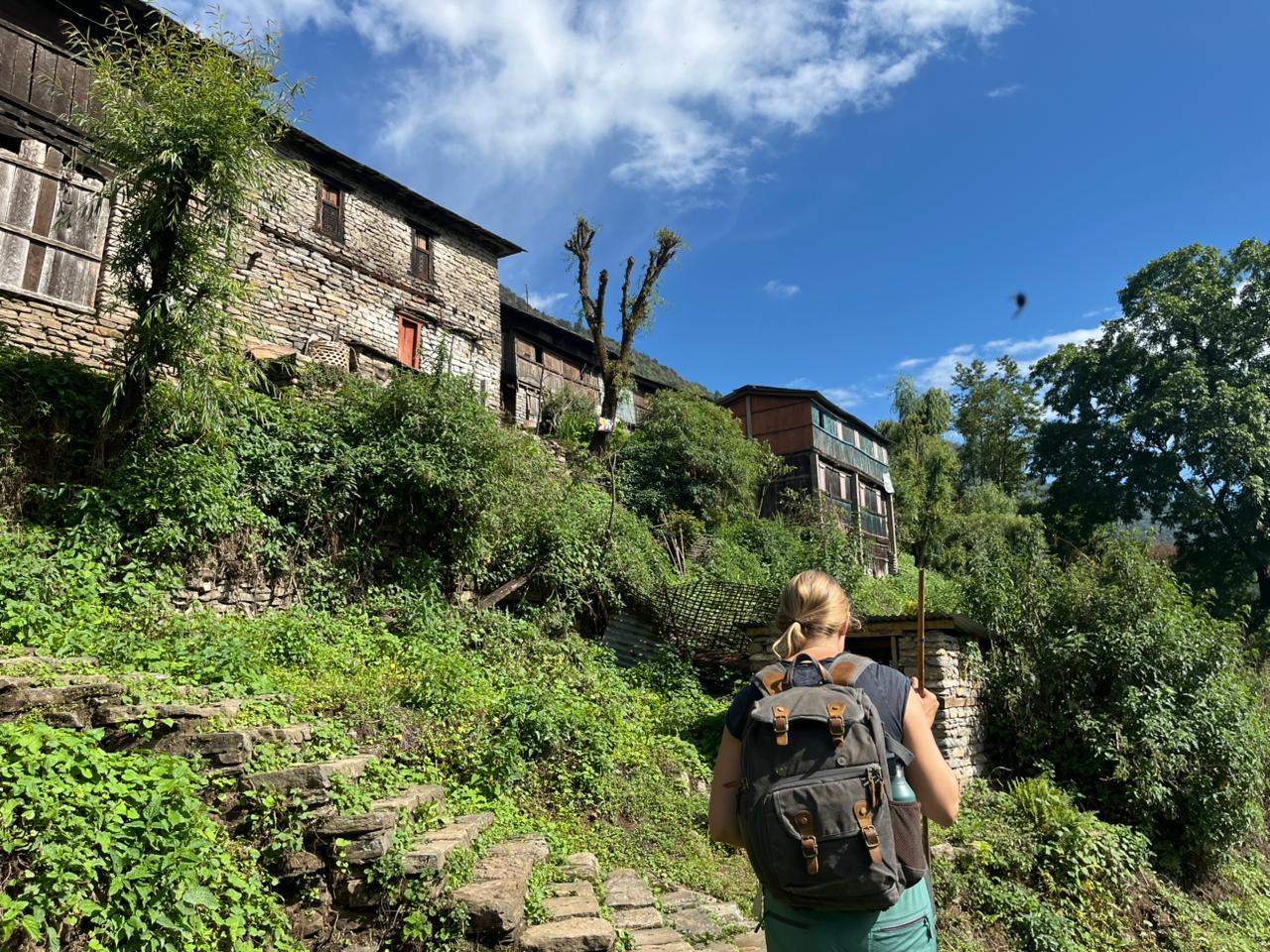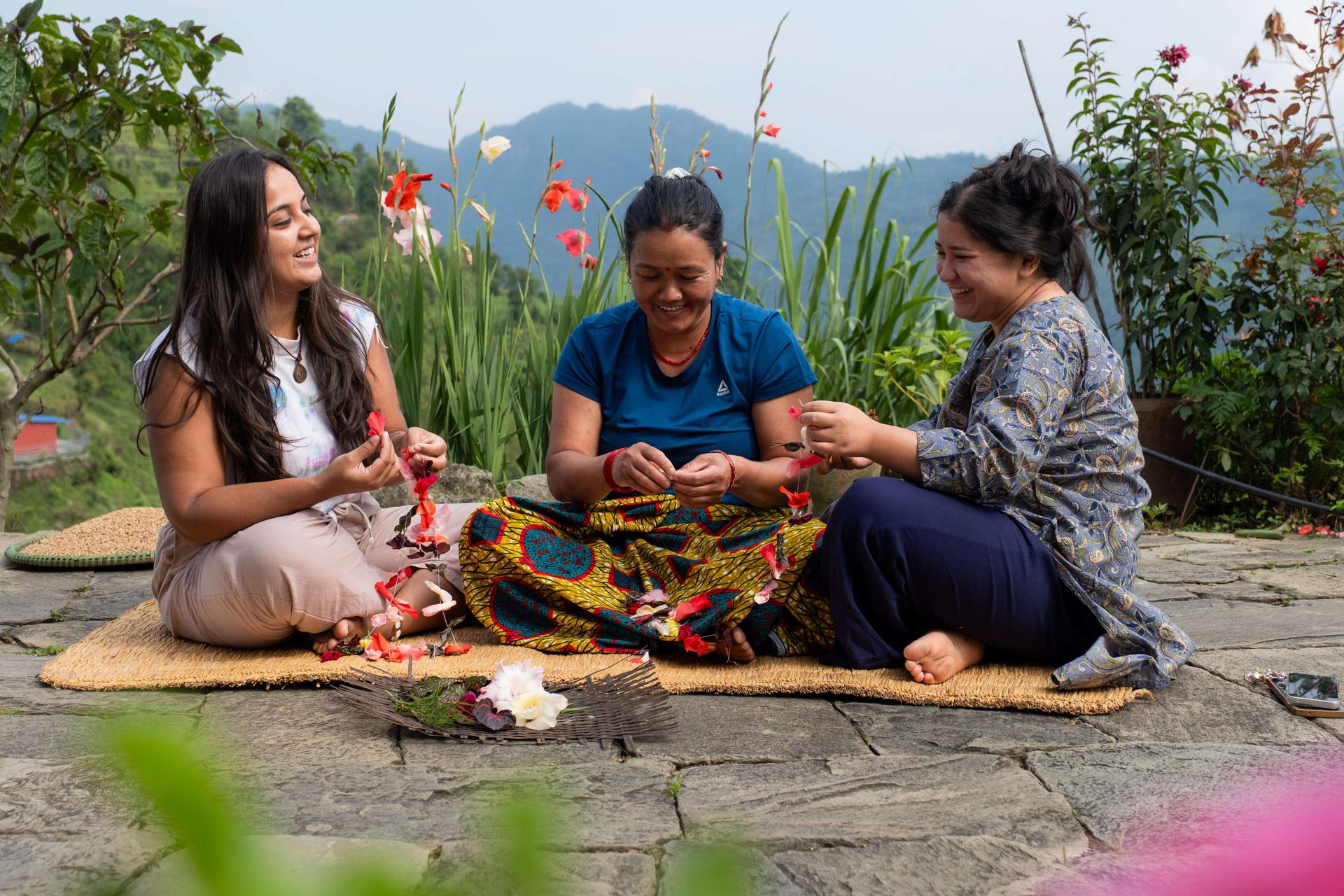
Namaste from Nepal
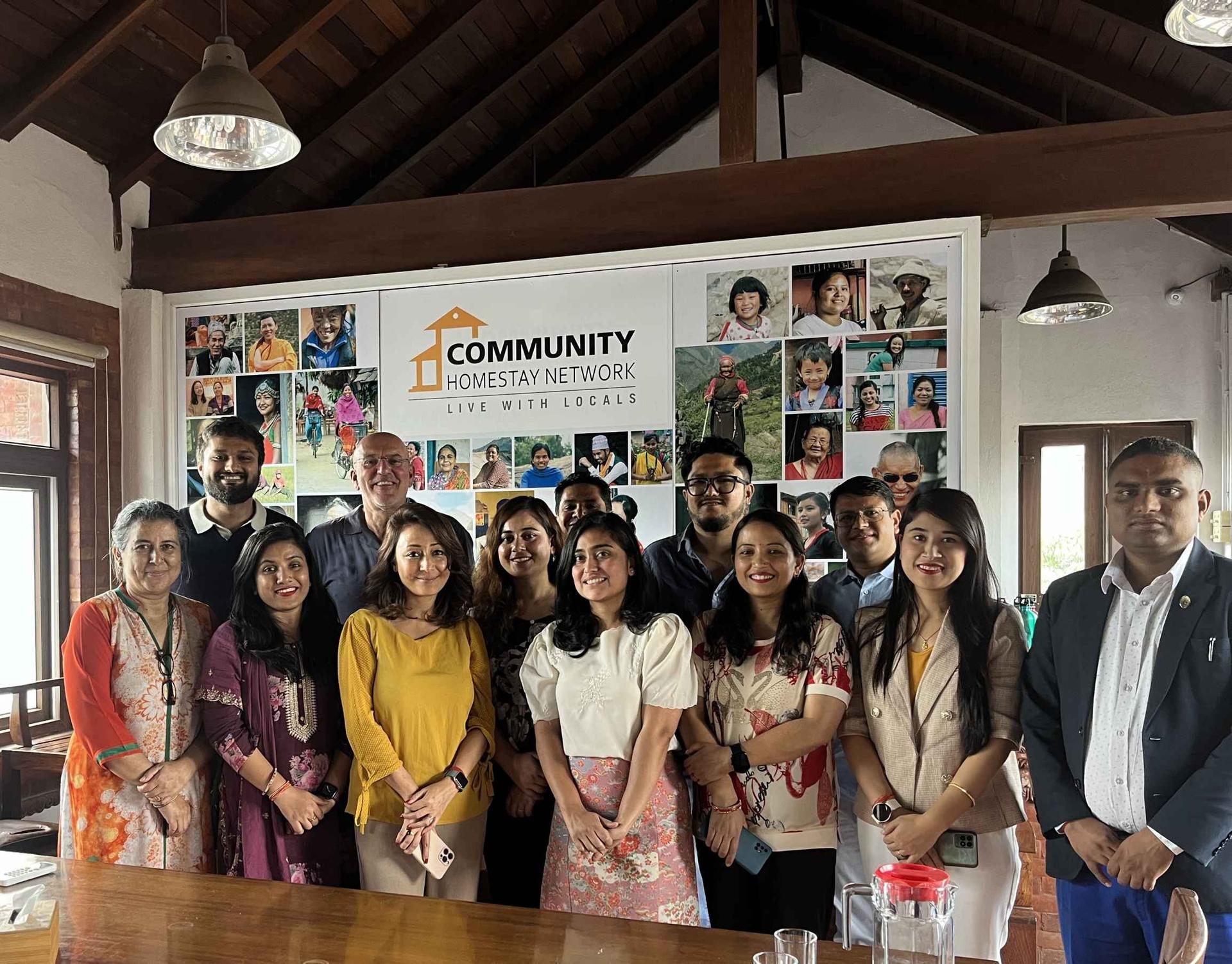
Nepal is not just a destination; it is a living story of culture, wellness, and community. At Community Homestay Network (CHN), we believe tourism can do more than showcase landscapes. By placing communities at the heart of travel, CHN empowers local hosts, artisans, and leaders to shape experiences that honor their heritage, generate equitable benefits, and foster meaningful connections between travelers and the people they meet.
Our network spans over 41 community homestays and 10 artisan experiences, reaching around 2,000 community members, the majority of whom are women. CHN’s leadership in responsible, community tourism has been recognized globally with the ICRT Global Awards and as Gender Equality Champion of the Year, while our work has been featured in BBC, National Geographic Traveller, TIME, and The Guardian. Recently, Outside recognised CHN as one of the ‘Best Adventure Travel Companies.’
This familiarization journey is part of Community Connect, CHN's signature initiative dedicated to showcasing the power of locally-led tourism and amplifying voices of the community to a global audience. Since its launch in 2024, Community Connect has welcomed over 70 tourism stakeholders, consisting of travel operators, journalists, and content creators, to experience Nepal's diverse communities. Its latest edition, the Travel Agents Special Edition, is co-designed by CHN and Royal Mountain Travel (RMT) – our associate organisation with longstanding experience in Nepal’s tourism sector. This collaboration brings together CHN’s deep-rooted community network and impact-driven approach with RMT’s long-standing experience in designing and delivering community-centered journeys. Together, we ensure journeys that are thoughtfully designed, responsibly operated, and grounded in both purpose and professionalism.
Today's travelers seek more than landmarks. They seek connection, authenticity, and purpose. This itinerary invites you into one of the most remote and culturally intact corners of the Himalayan world, where ancient trade routes, living Bon traditions, and the walled medieval city of Lo Manthang tell the story of a people who have shaped their landscape as much as it has shaped them. We are proud to present:
"Upper Mustang: A Trans-Himalayan Community Experience"
A rare passage through Nepal's Trans-Himalayan frontier, guided by the communities who call this extraordinary land home.
About Upper Mustang
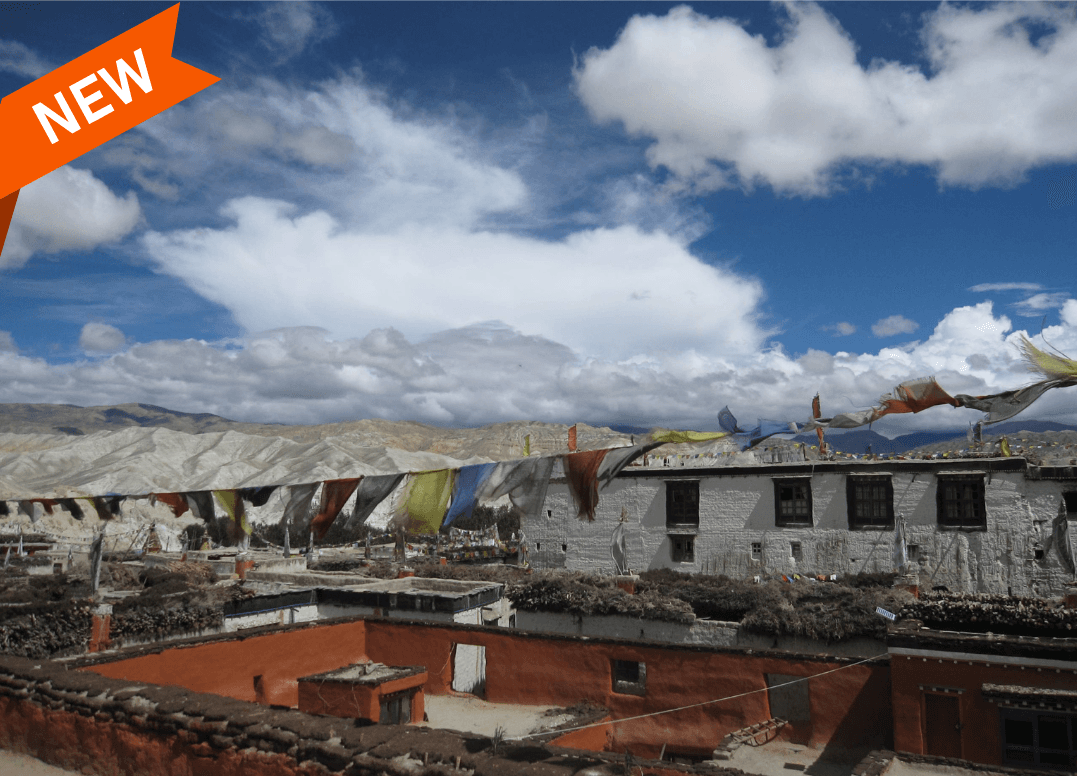
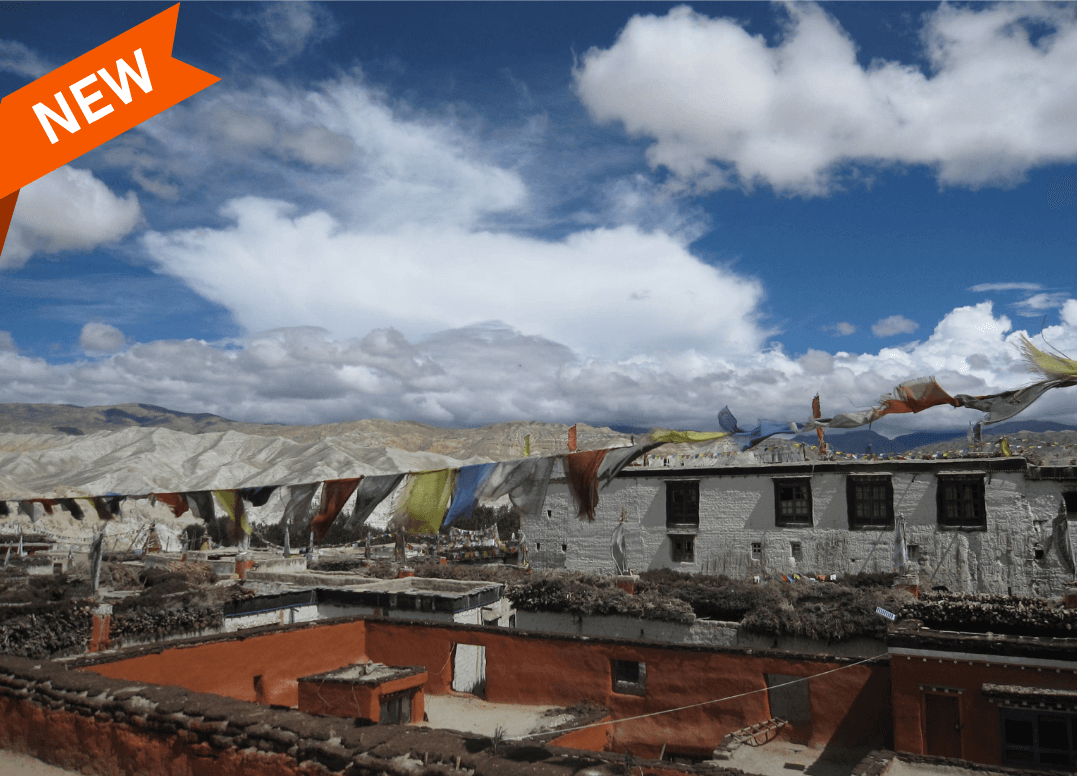
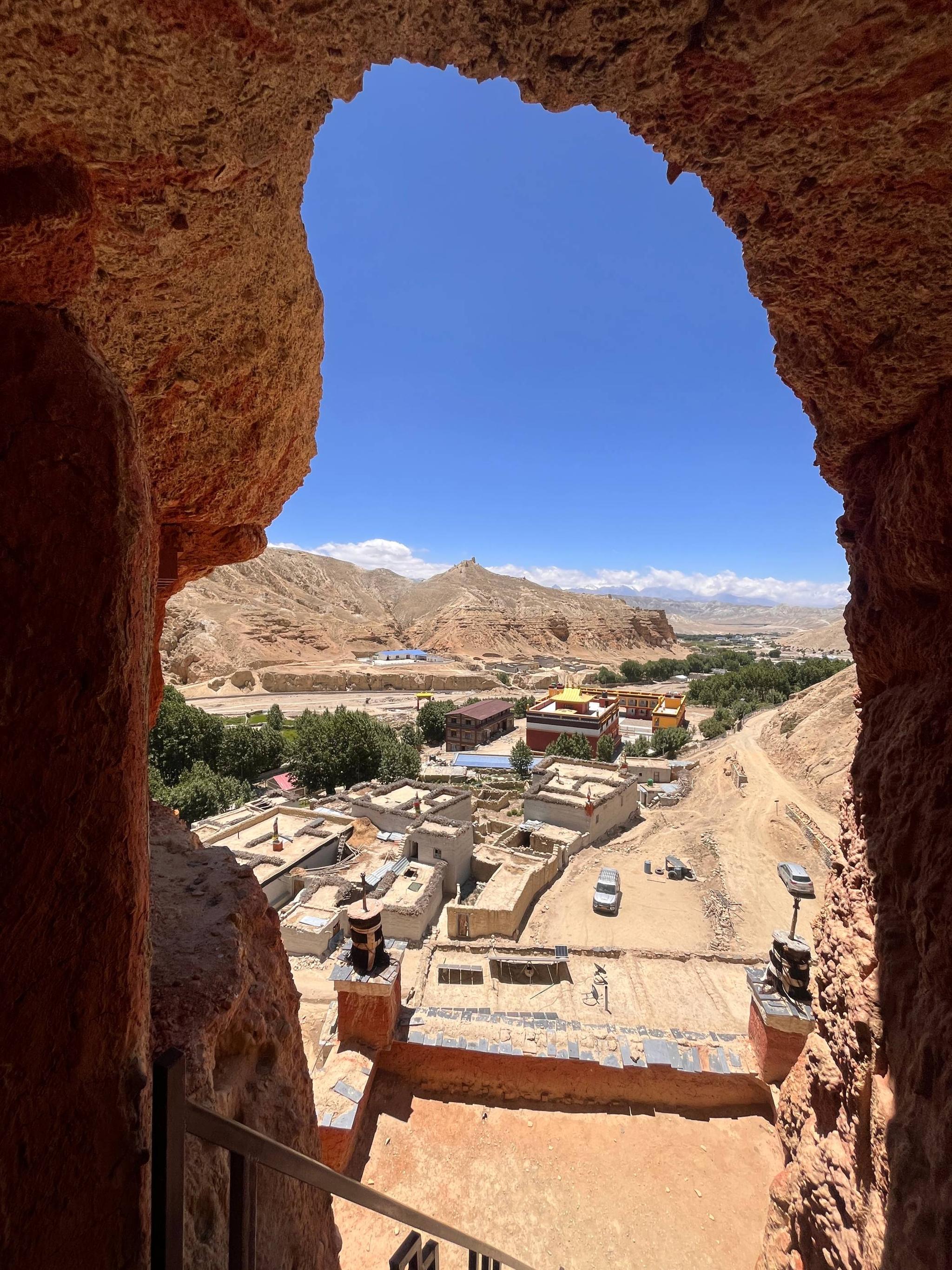
North of the Annapurna massif, Mustang sheds its greenery and becomes something altogether different: a high-altitude desert of wind-sculpted cliffs, ochre canyons, and ancient cave settlements carved into cliff faces thousands of years before anyone thought to record them. The Kali Gandaki gorge, the deepest in the world, cuts through Mustang on a scale that recalibrates your sense of proportion entirely. At 3,750 metres, Muktinath Temple stands as one of the most sacred sites in the Himalayas, revered equally by Hindus and Buddhists, and marks the threshold between Lower and Upper Mustang. Beyond it, Lo Manthang, the walled capital of the former Kingdom of Lo, has stood since 1380, its whitewashed walls enclosing monasteries, royal palaces, and a way of life that has maintained coherence across centuries. Until recently, reaching Upper Mustang demanded serious commitment: a mandatory ten-day trekking permit at USD 500 and a multi-day walk through one of the most demanding terrains in the Himalayas. From 2025, a daily permit rate of USD 50 and improved roads through the Kali Gandaki valley have made Mustang genuinely accessible for the first time. The landscape has not softened. The threshold to enter it has.
Trip Summary
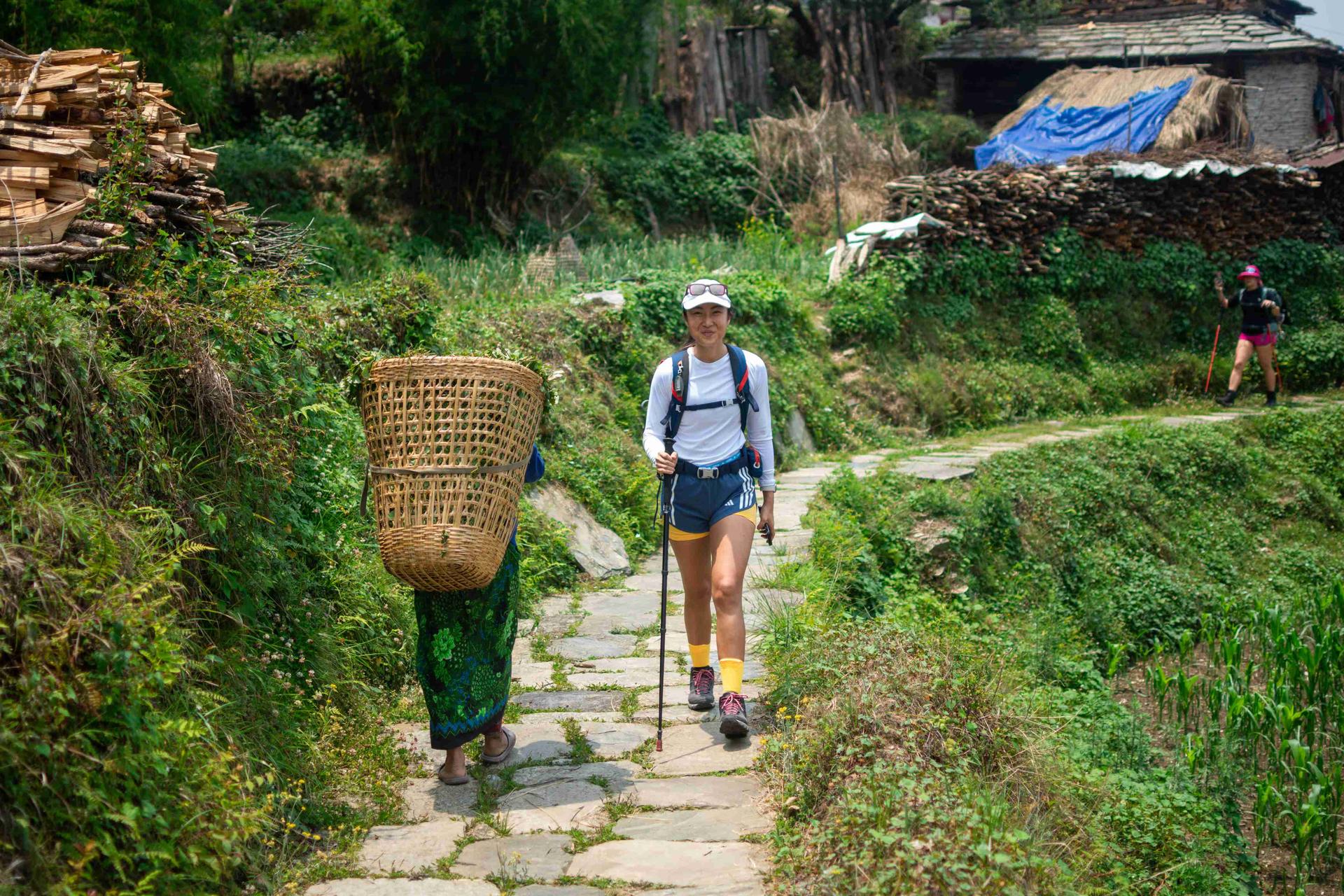
This 12-day journey begins in Kathmandu with a grounding Boudha Kora and a welcome dinner, where we light lamps for a sound journey ahead. The next day, the route moves through the lush Annapurna foothills before gradually unfolding into one of the most dramatic landscapes on earth: wind-carved cliffs, vast ochre canyons, and centuries-old settlements that time has not so much forgotten as simply left alone.
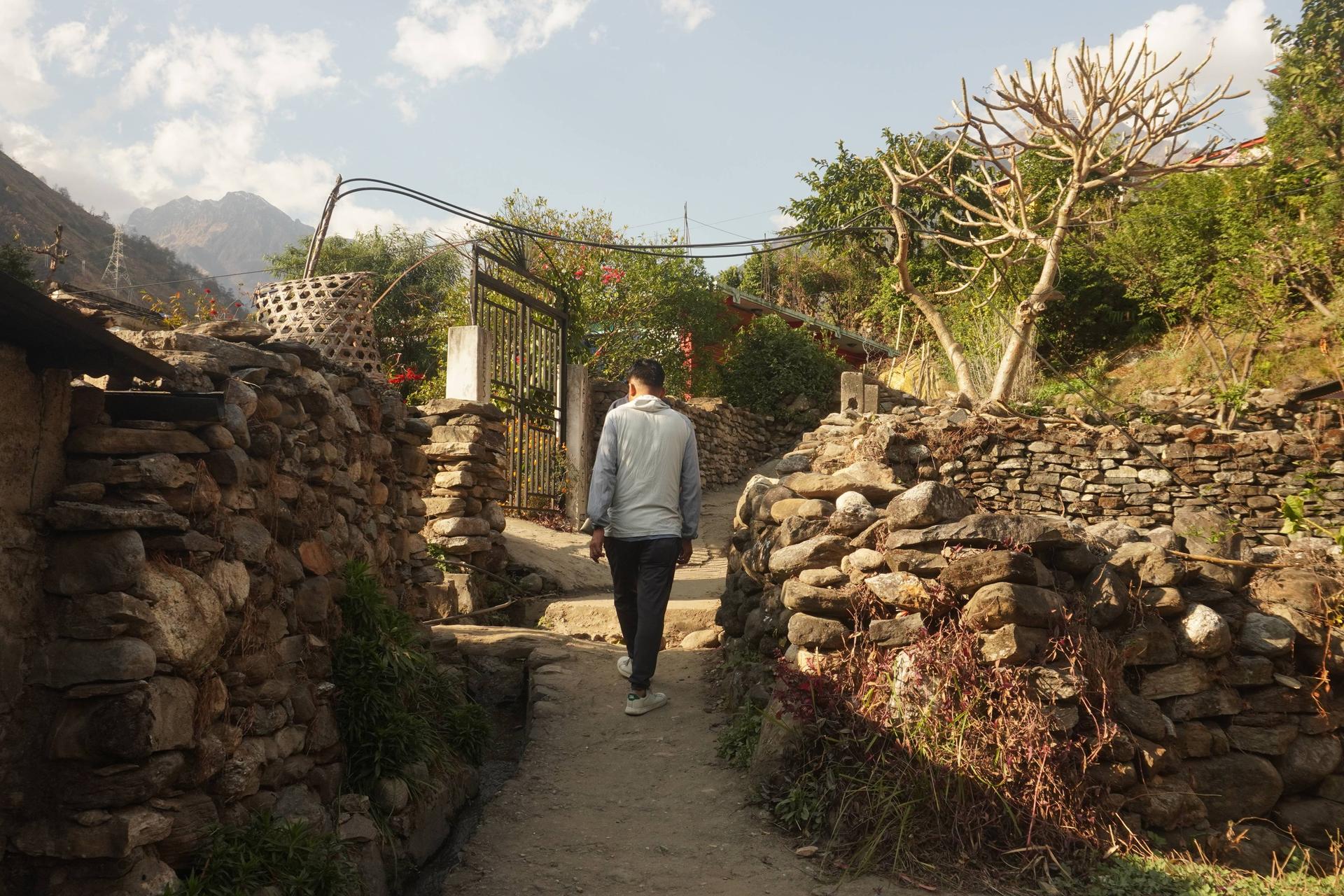
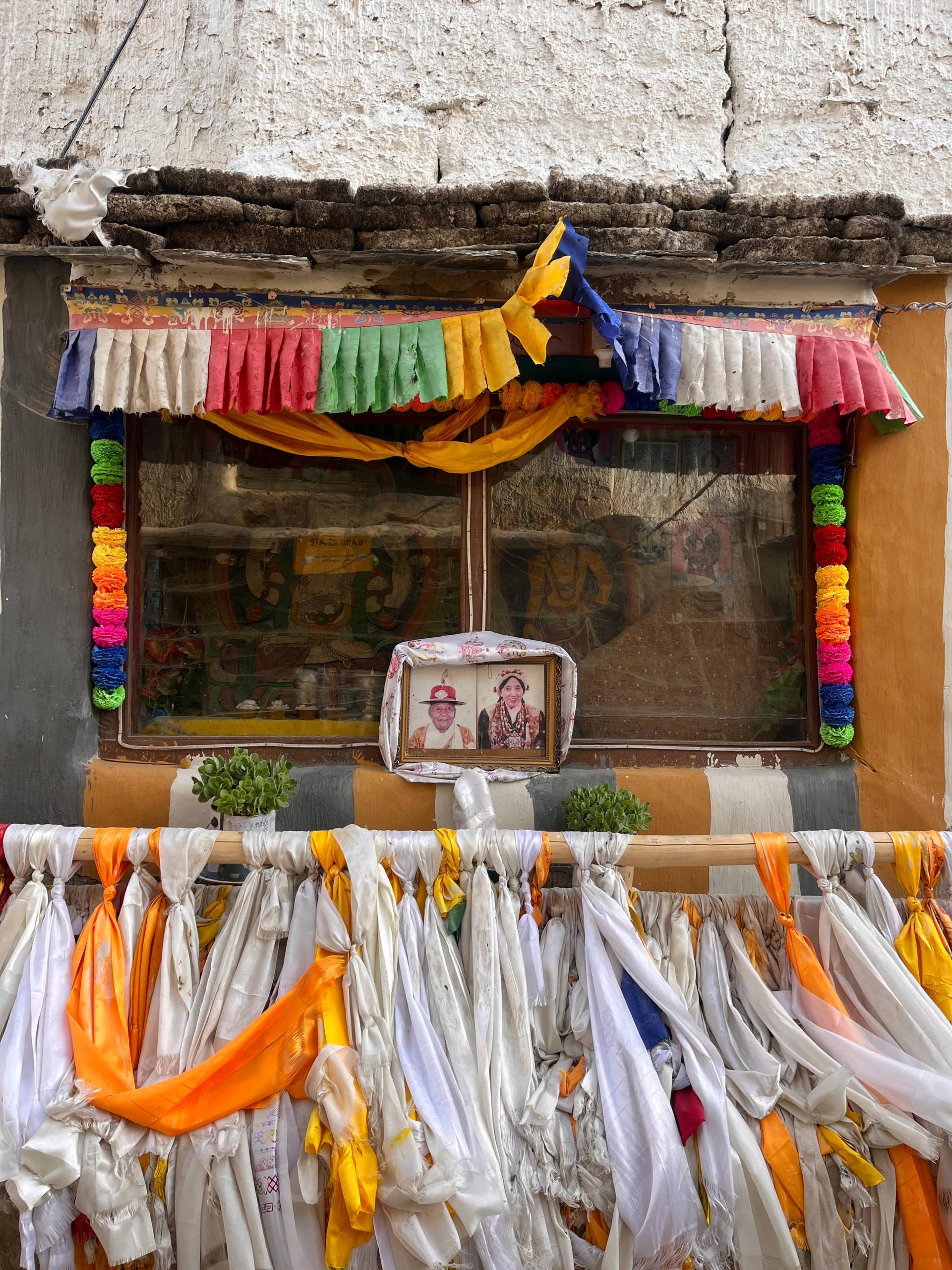
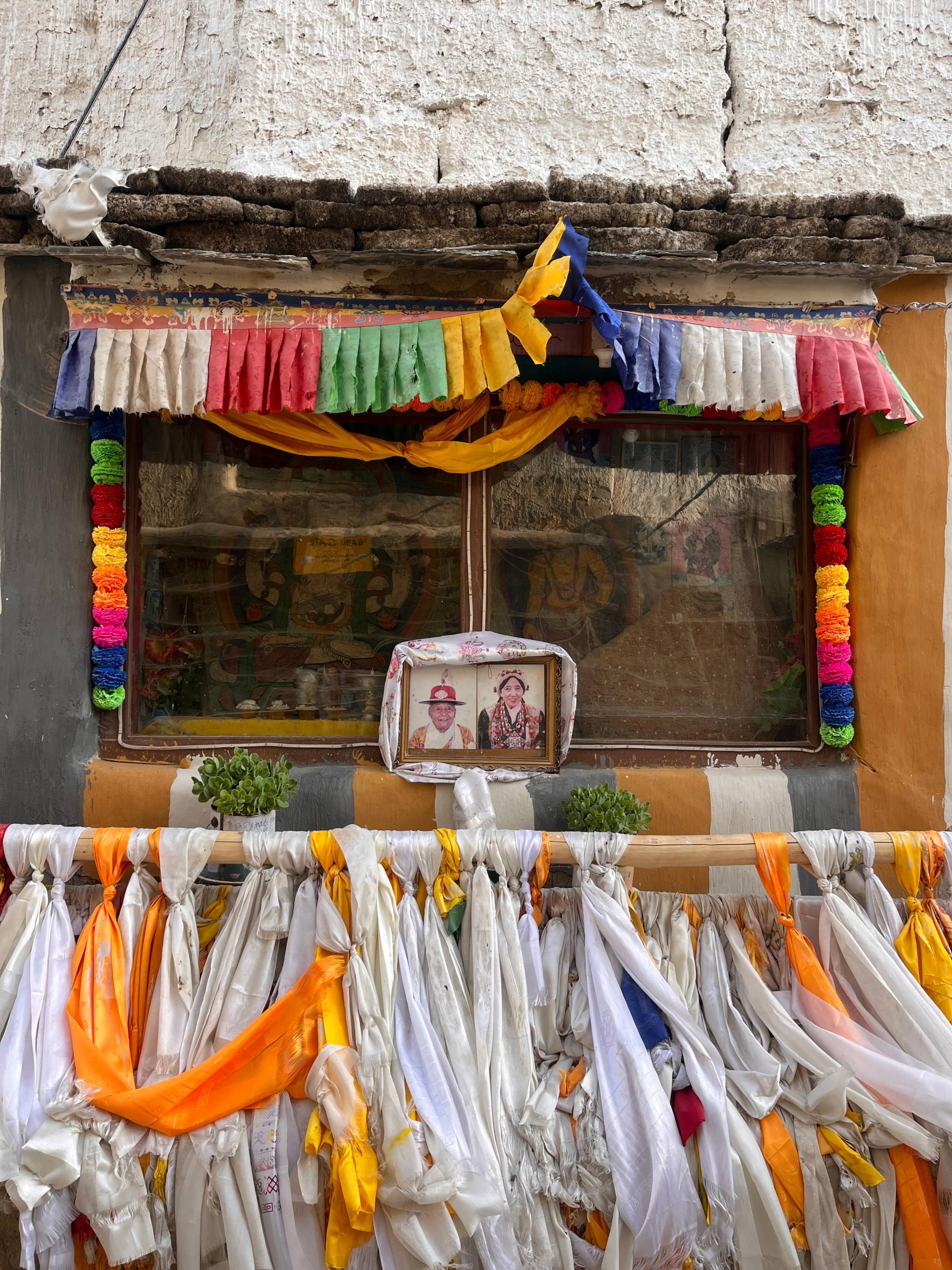
Traveling by 4WD vehicles along the ancient trade route once connecting Nepal and Tibet, you will engage closely with local families in Narchyang, Kagbeni, Lubra, Hemjakot and more, explore the extraordinary Sky Caves of Chhoser, and walk the medieval streets of Lo Manthang – the walled capital of the former Kingdom of Lo. A night in Lubra brings you into one of the last active Bon settlements in Nepal, a tradition older than Buddhism in this region and still very much alive.
The journey concludes with a descent through the Kali Gandaki valley into Hemjakot, where a community welcome awaits and a morning yoga session unfolds with Machhapuchhre filling the horizon. From here, a short drive brings you to Pokhara, basecamp to the world's greatest basecamps, for a free afternoon by the lake. The final leg back to Kathmandu closes with a sound healing session that does what the mountains began: quiets the noise, and lets the experience settle. You return home not just with photographs, but with a genuine sense of having been somewhere, and of having mattered to the people there.
Why This Circuit Matters
Supporting Community Homestays: Nights in Narchyang, Lubra, and Hemjakot flow directly into household incomes and family run enterprises within the CHN network. Every meal cooked and every room offered is a direct economic transfer to a family in a remote community. When you sell this trip, the impact is traceable and real.
Sustaining Remote Heritage: Upper Mustang's monasteries, cave sites, and Bon traditions survive through active engagement, not passive preservation. Permit fees, community stays, and locally guided experiences contribute to an economy that makes continued cultural life possible in one of Nepal's most isolated regions.
Empowering Hosts as Storytellers: In Lubra, in Narchyang and, in Hemjakot, local people are not performing their culture for an audience. They are sharing it with guests. That distinction is what CHN's model is built on, and it is what your clients will feel the difference of.
Promoting Responsible Travel: Trained road captains, community homestays, and an itinerary built around local benefit ensure that revenue stays where it is generated. This is not a circuit designed to extract value from a remote landscape and redistribute it elsewhere.
Creating Lasting Dialogue: This journey is not simply cultural exposure. It is an opportunity to stand alongside some of the most remote and resilient communities in Nepal, and to return home with relationships, not just impressions. For your clients, that is the difference between a good holiday and a trip they will talk about for years.
Integrates Wellbeing by Design: In a world of relentless travel and crowded itineraries, this trip weaves moments of stillness and mindfulness to ground yourself in the place, the people, and the present moment.
Trip Highlights
Lo Manthang: Enter the walled capital of the former Kingdom of Lo, a living medieval city that has endured since 1380 and still carries the weight of that history in every stone.
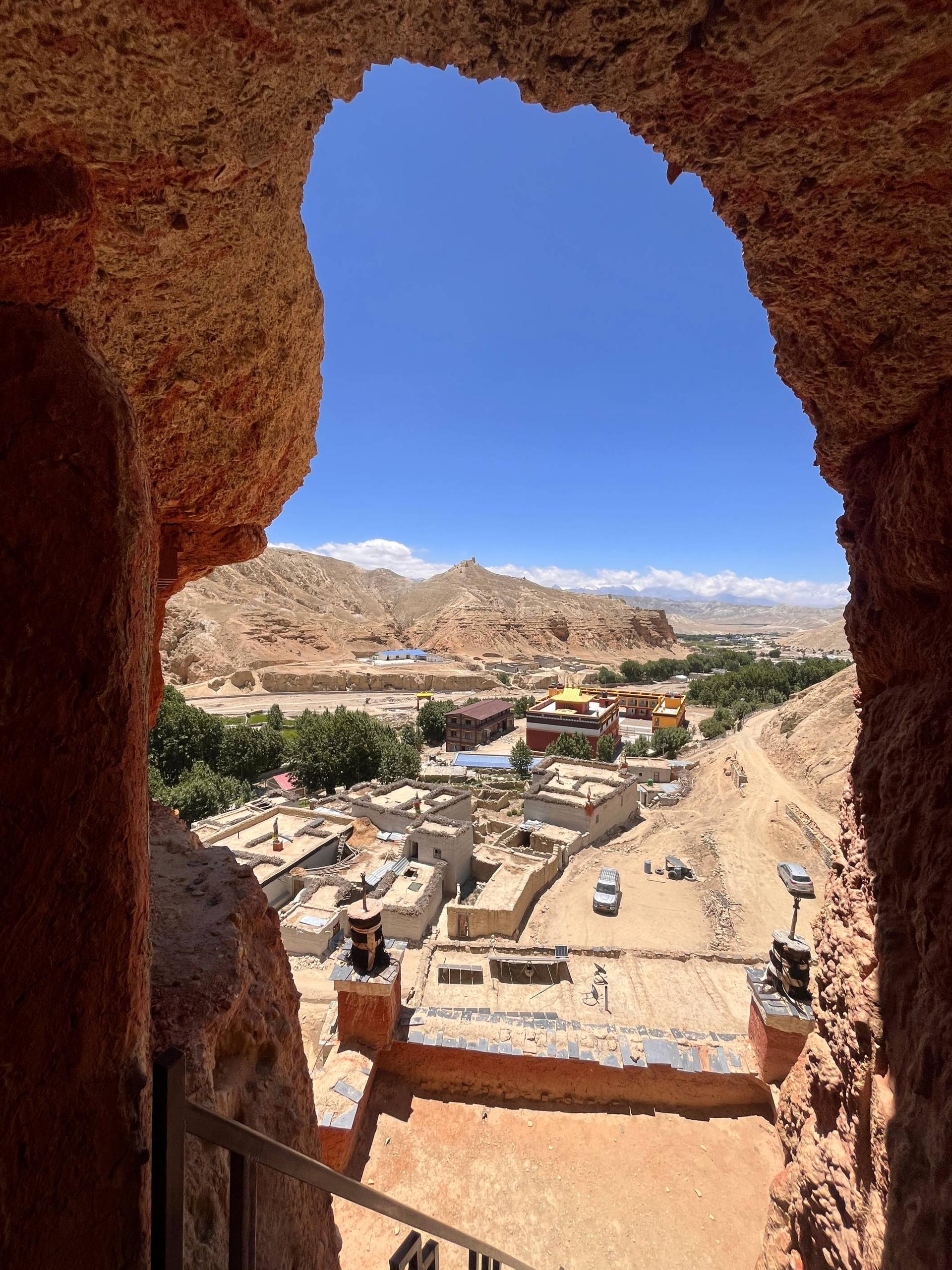
Ancient Sky Caves of Chhoser: Discover some 10,000 man-made caves carved into the cliffs above the Kali Gandaki valley, yielding mummies, manuscripts, and artworks dating back 3,000 years.
Muktinath Temple: Visit this sacred site at 3,800 metres, revered equally by Hindus and Buddhists, set against the sweep of the upper Mustang plateau.
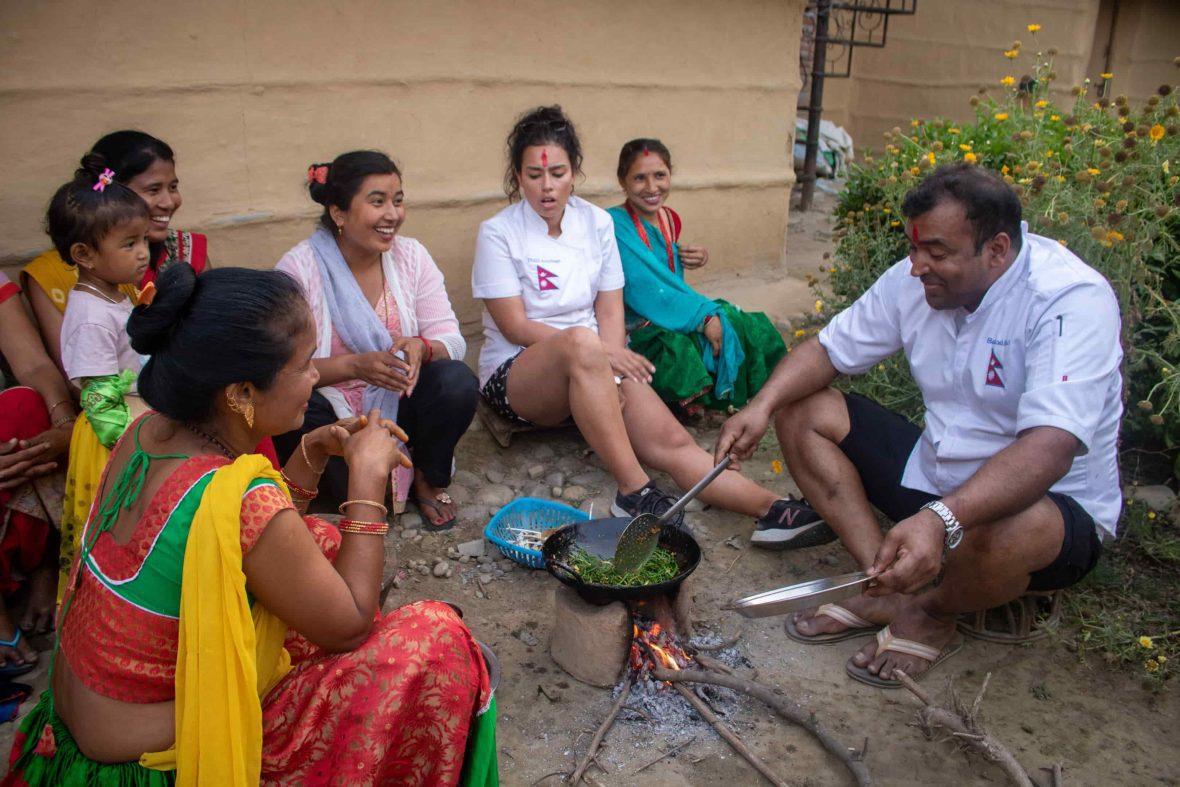
Tibetan Culinary Immersion: Sit down with your hosts in Kagbeni for a traditional momo-making session, a shared cultural moment as much as a cooking class.
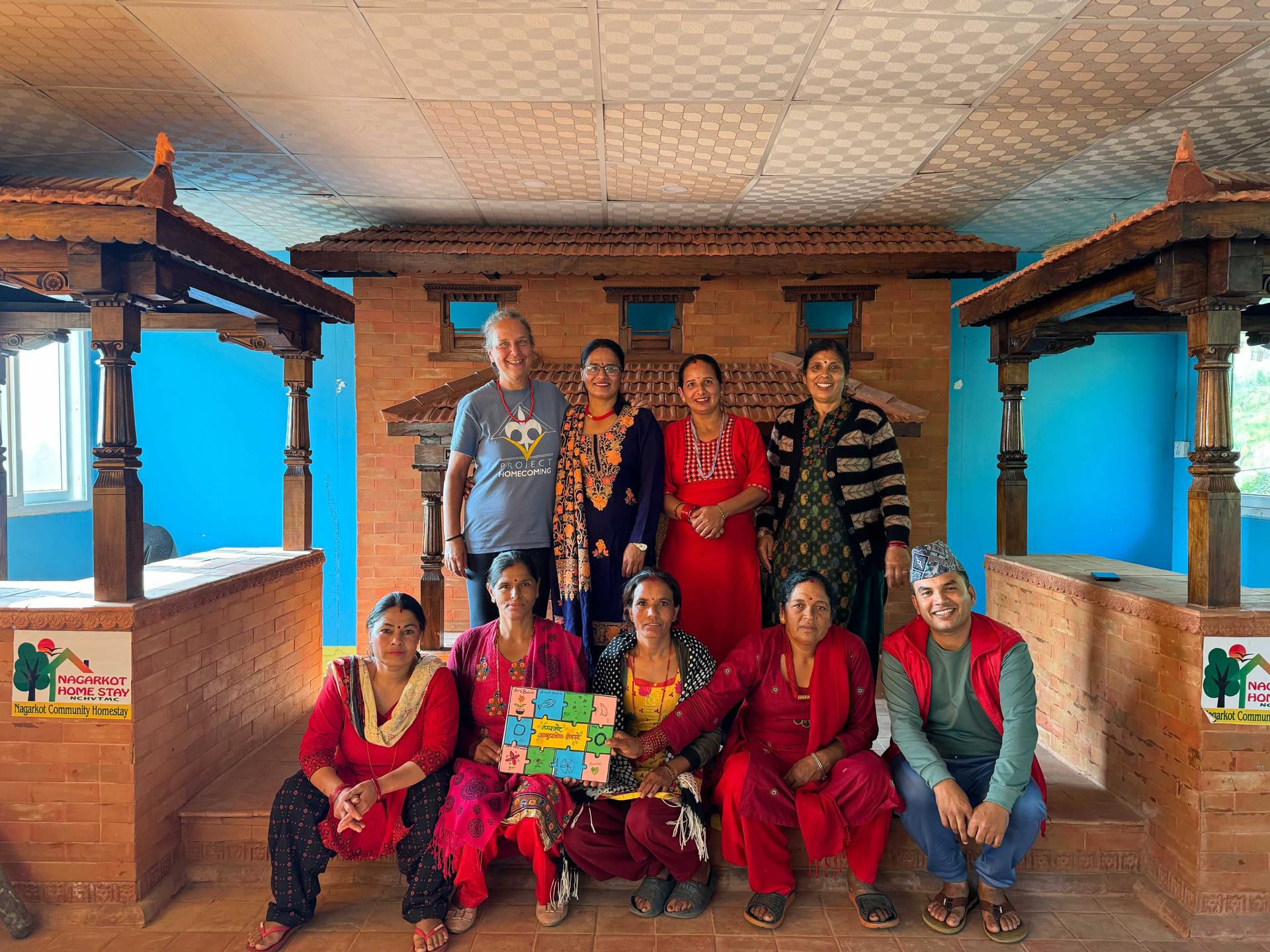
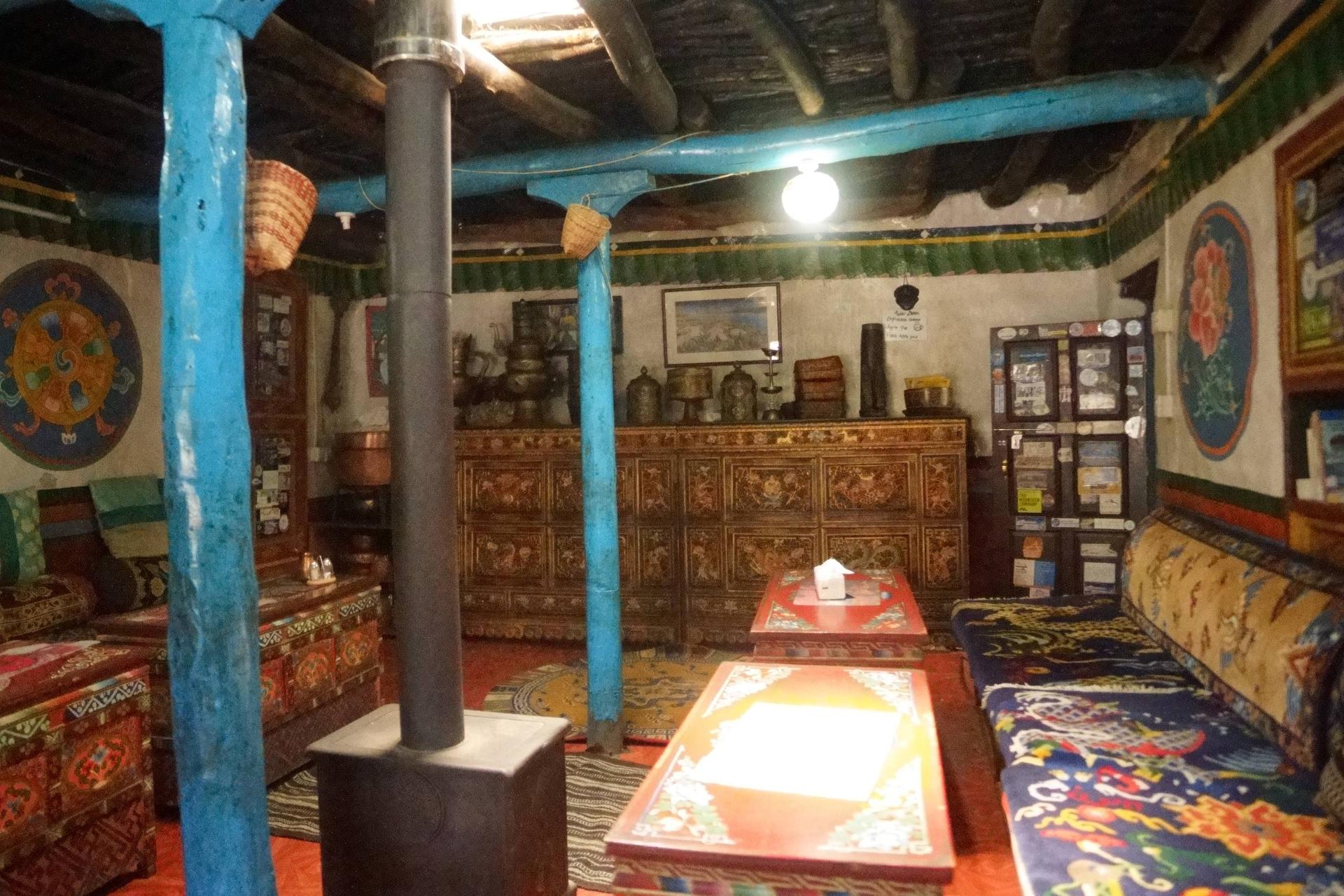
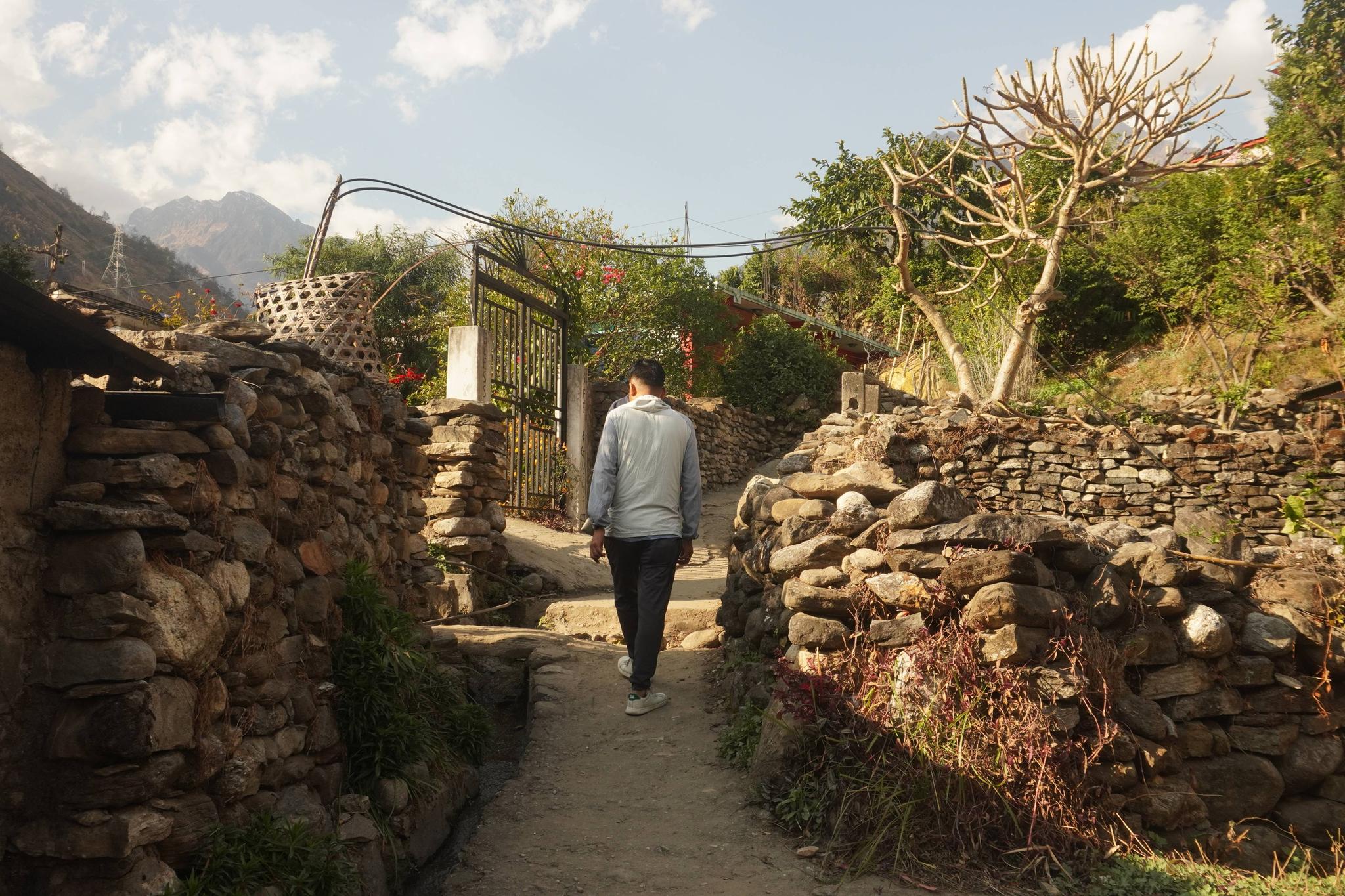
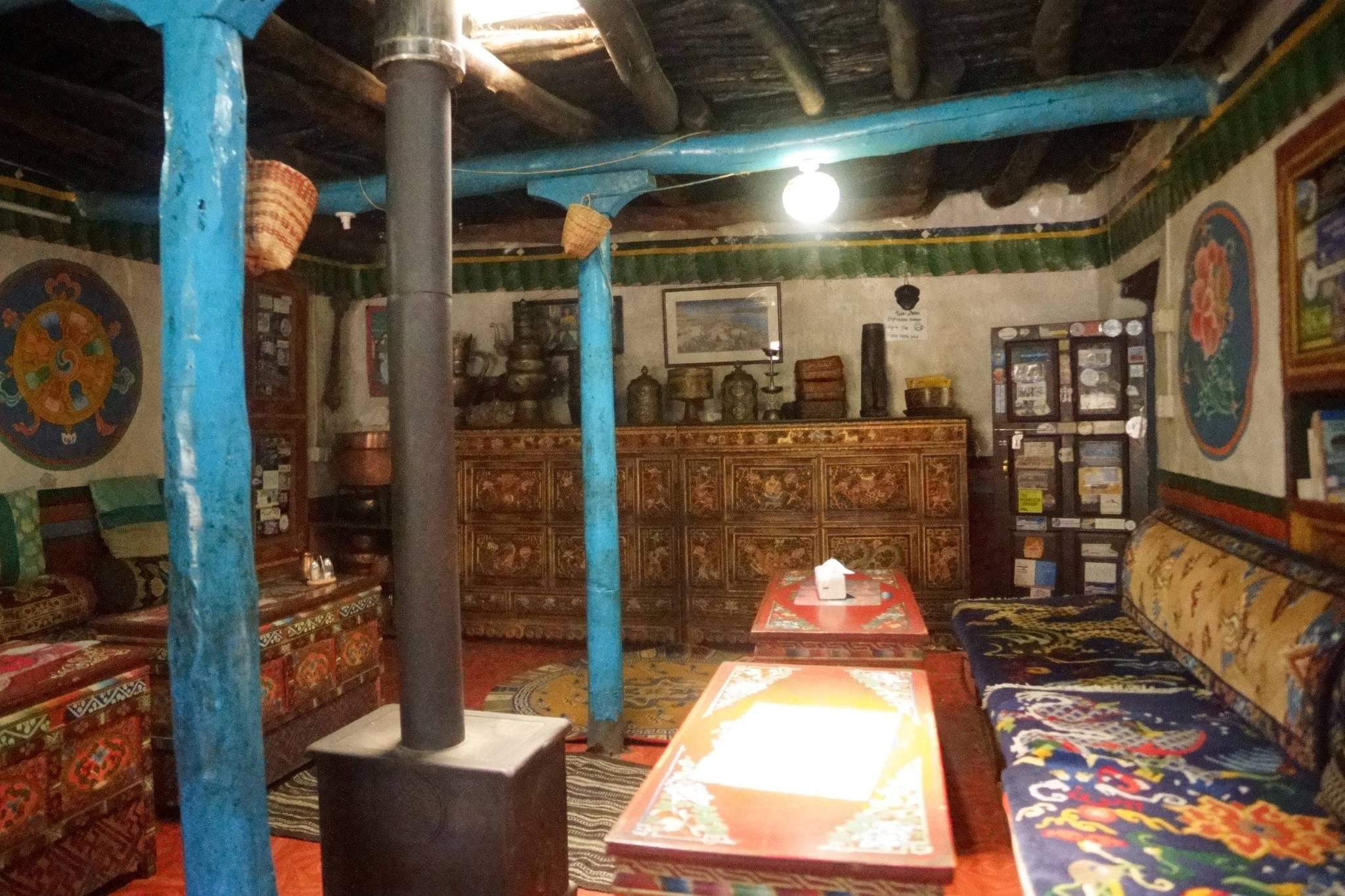
Community Homestay Experience: Sleep, eat, and wake up inside the daily rhythms of families in Narchyang, Lubra, and Hemjakot, places most itineraries never reach.
Boudha Kora and Sound Healing: Begin with circumambulation at one of the world's great Buddhist stupas. Close with a yoga session at altitude as Machhapuchhre fills the skyline, and a deep sound healing session at Avata Wellness.