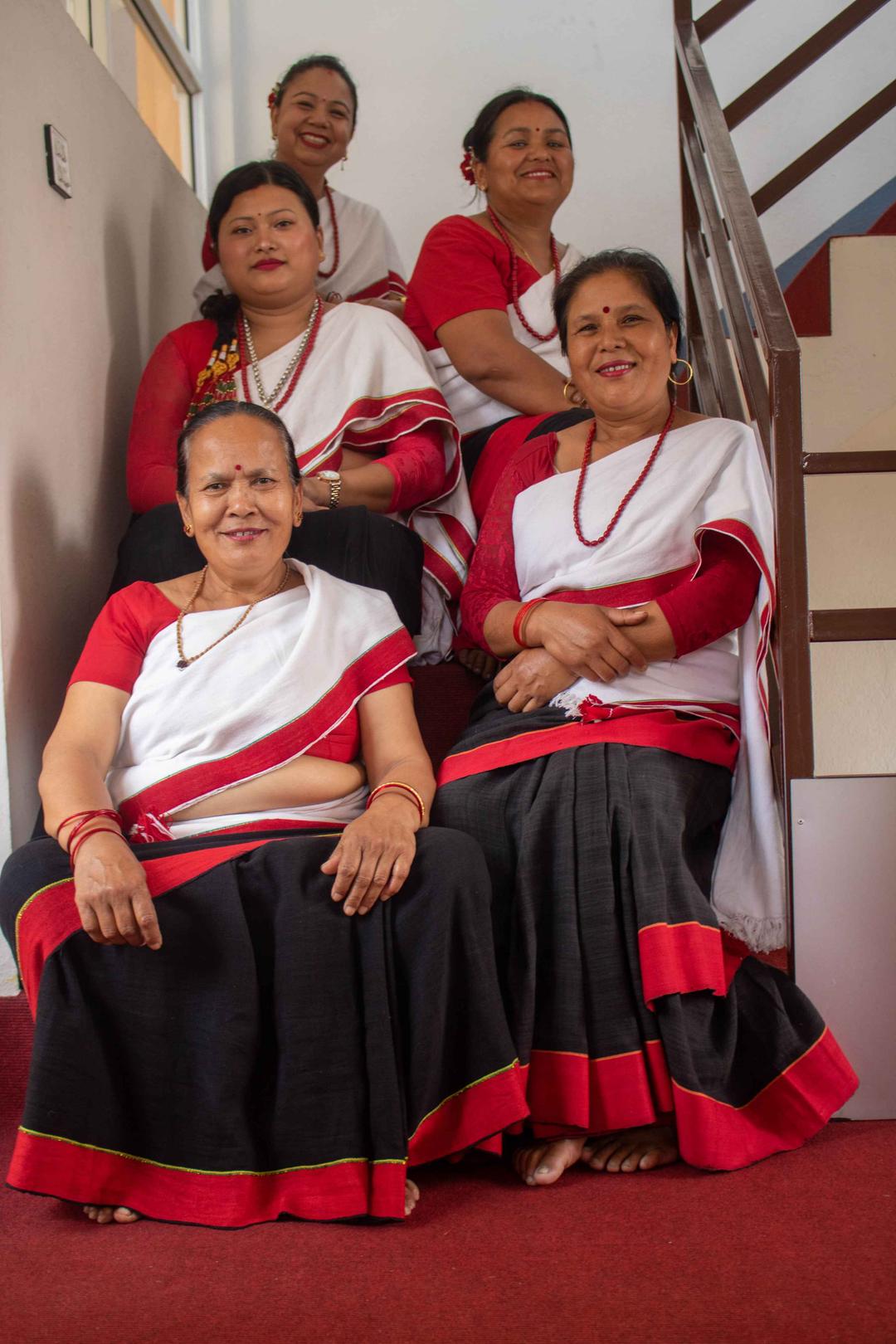
From Fields to Futures or Reshaping Lives Through Hospitality
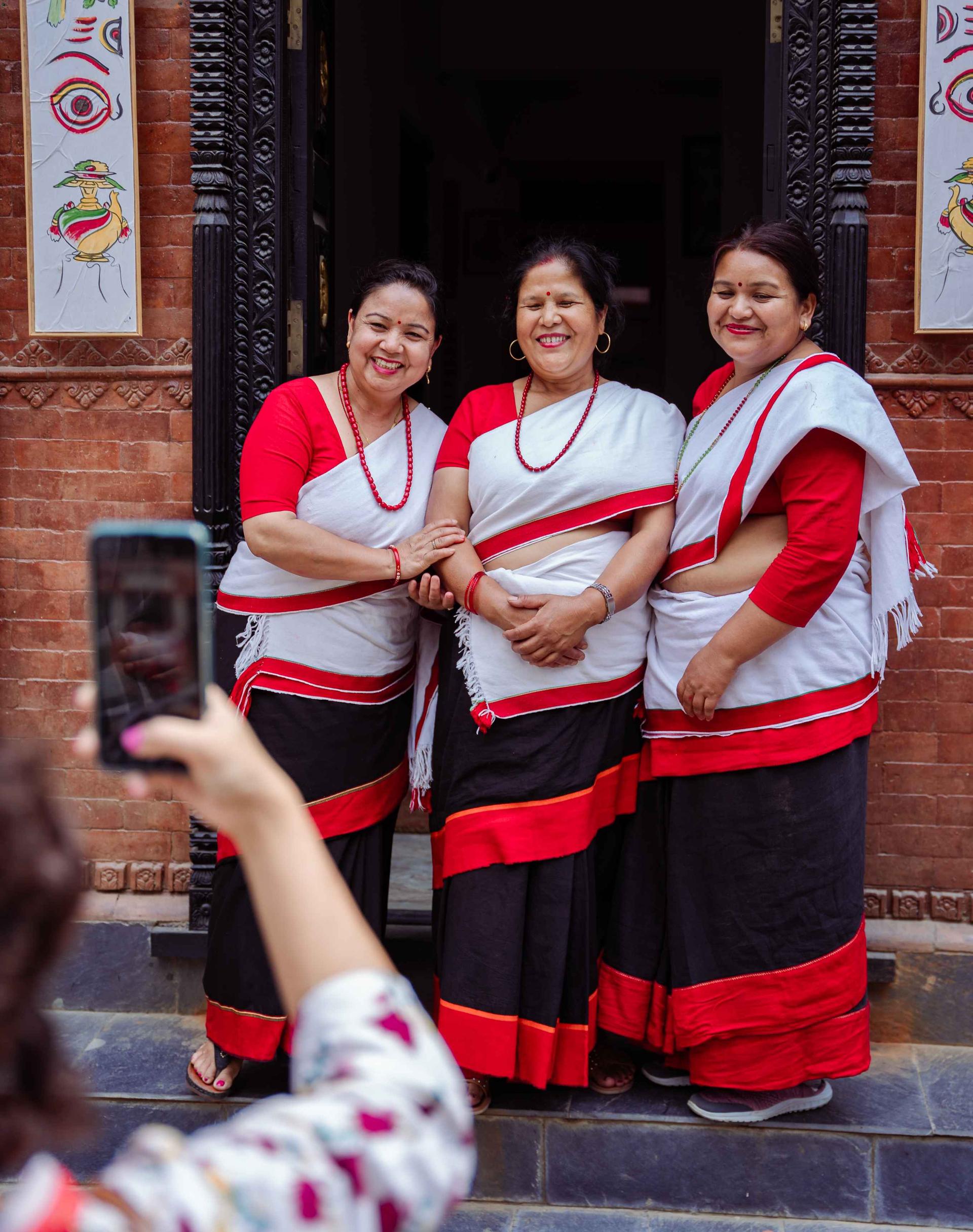
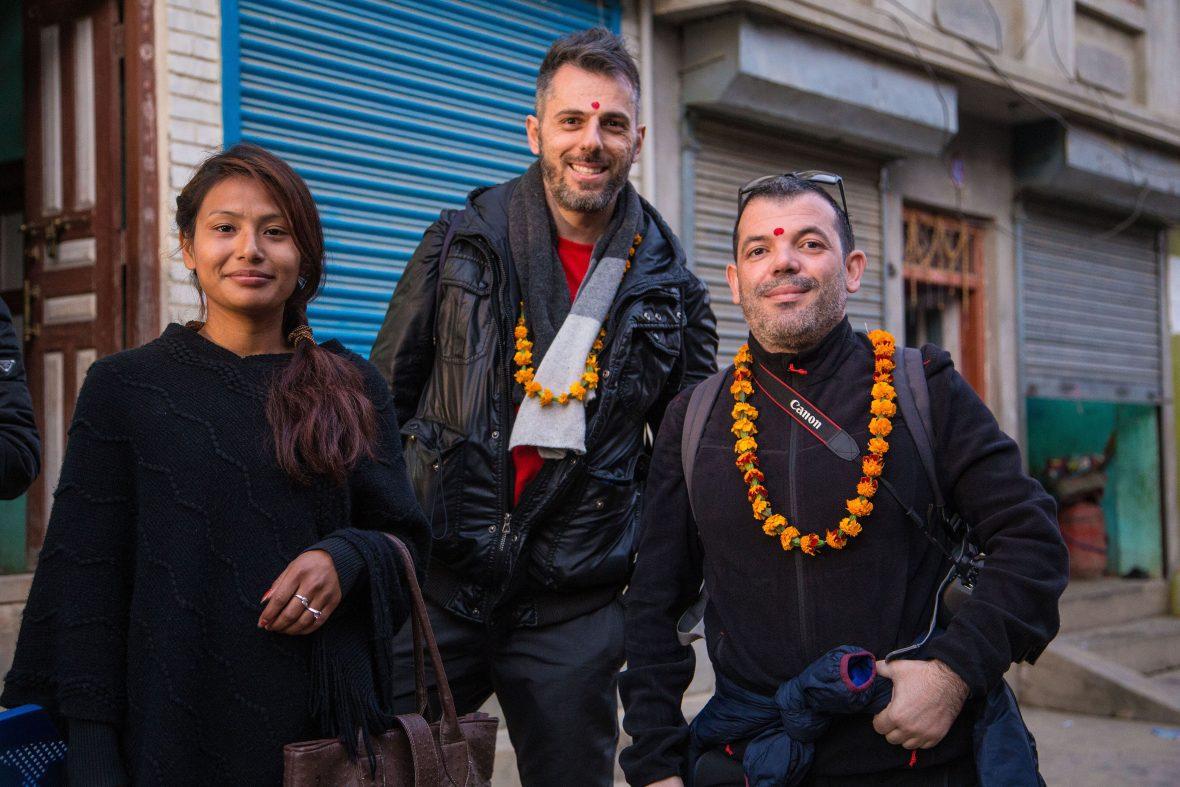
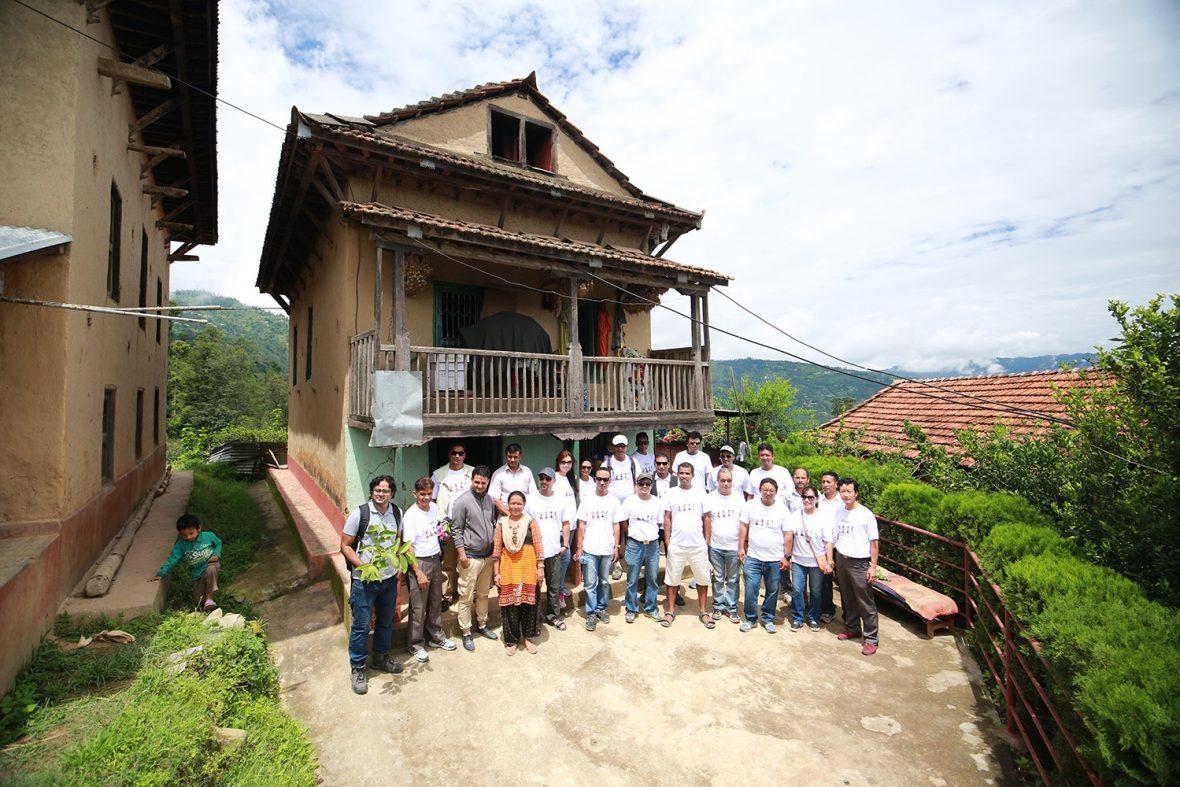
When Kirtipur’s farmlands gave way to concrete, many women lost their traditional source of livelihood. Rather than leaving their homes, they found strength in what they had—their culture, cuisine, and hospitality. This gave birth to Kirtipur Community Homestay, an initiative that turned a time of uncertainty into a new path of empowerment. What began as a few households opening their doors has grown into a network of 22 members. Not everyone runs a homestay, but each plays a role—teaching momo-making, guiding heritage walks, offering Ranjana Lipi workshops, and preparing traditional Newari feasts. These experiences not only create income but also bring Kirtipur’s living heritage to travelers, ensuring its stories endure. Once overshadowed by the buzz of Kathmandu, Kirtipur now shines on the tourism map—on its own terms.
Where is Kirtipur?
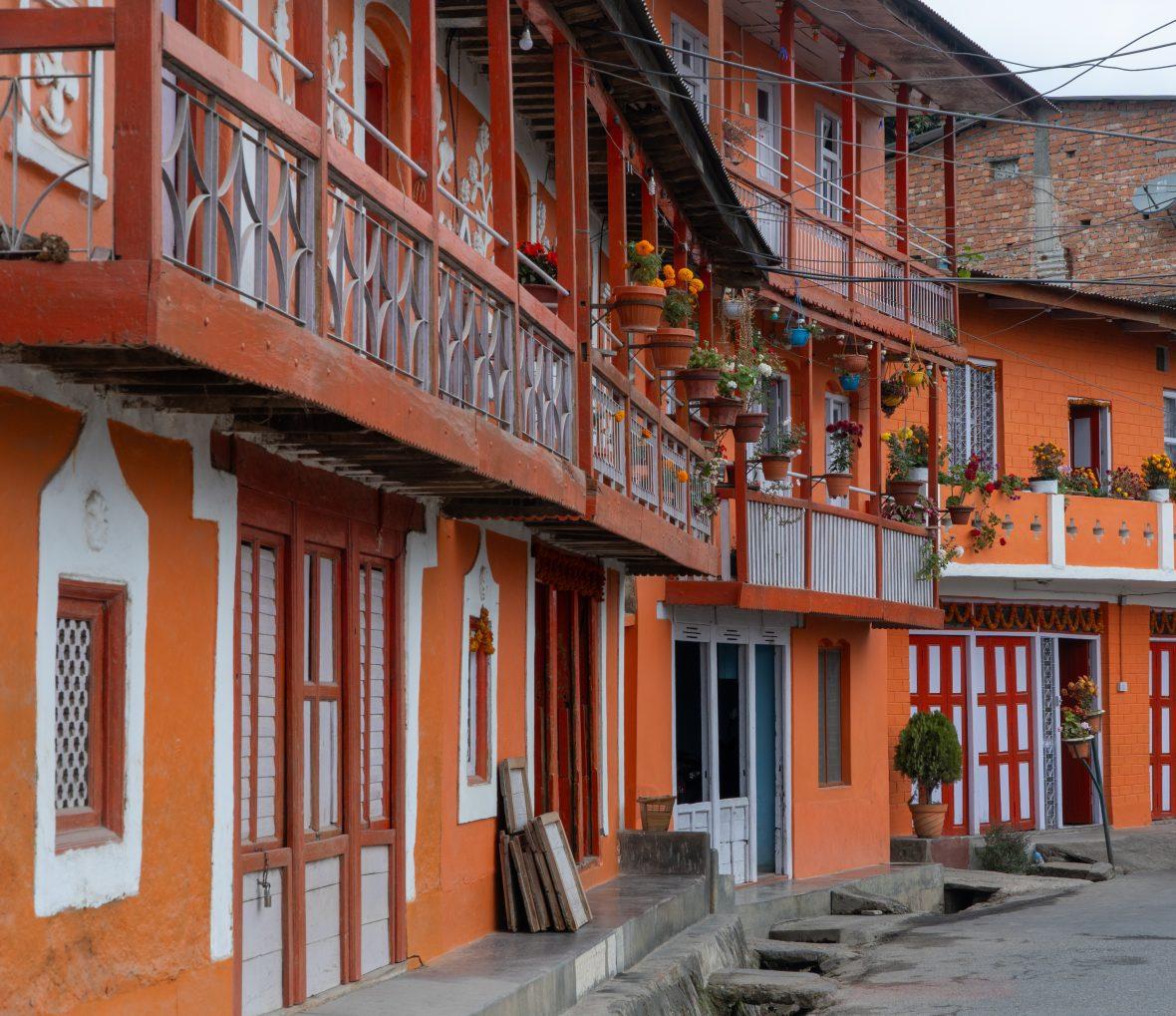
Just 5 kilometres southwest of Kathmandu, Kirtipur offers a quiet escape from the capital while remaining close enough for easy access. Perched at 1,342 meters, it overlooks the valley with sweeping views of Kathmandu city and distant peaks. The narrow stone -paved streets, hidden courtyards, and intricate temples transport visitors back in time. Despite its proximity to the city, Kirtipur moves to a slower rhythm, one that mirrors its long-standing traditions and close-knit community life. The town enjoys a mild climate year-round, with warm days and cool evenings. The best time to visit is between September and May, when clear skies reveal the hills and festivals light up the streets.
Accommodation
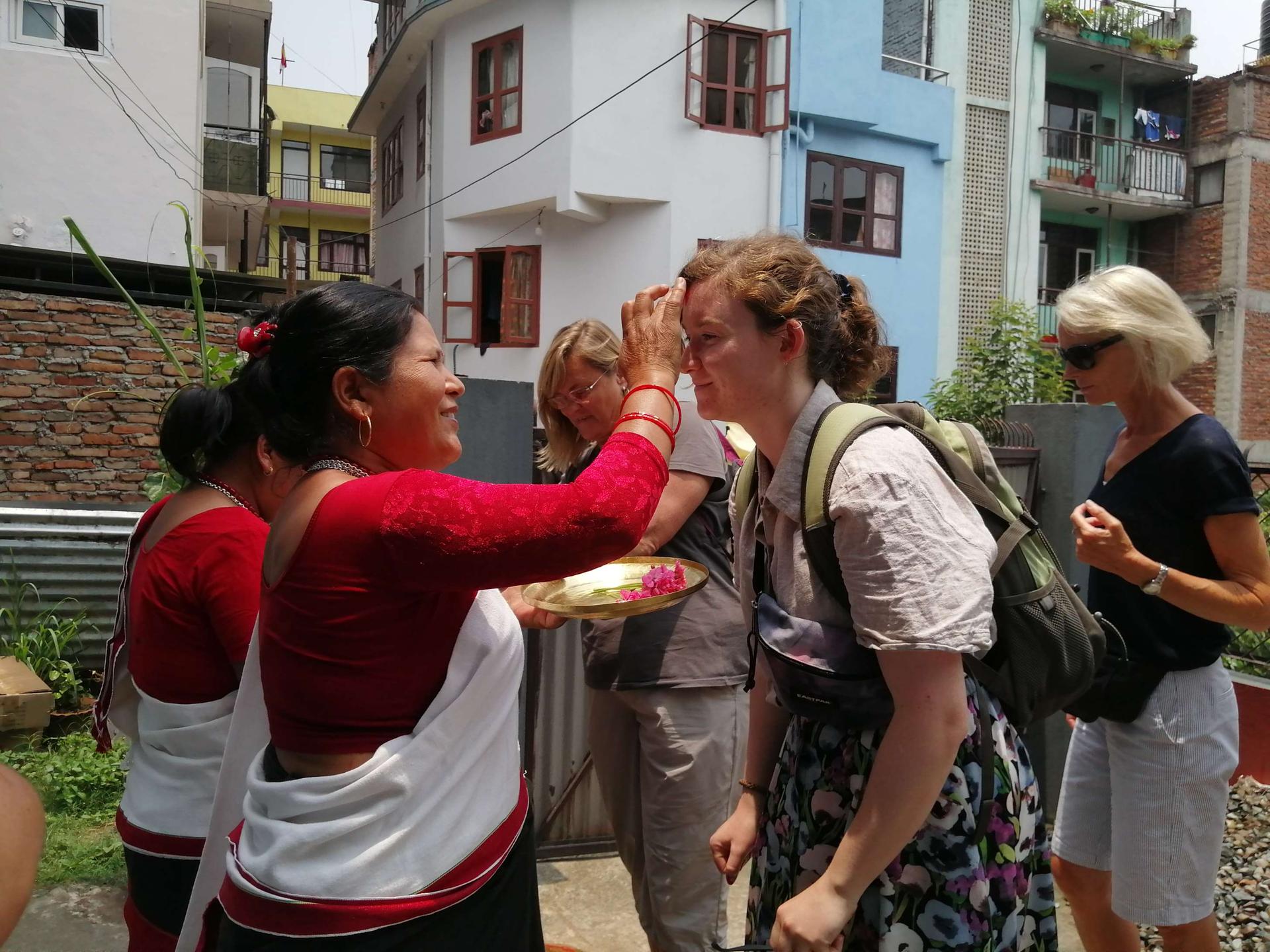
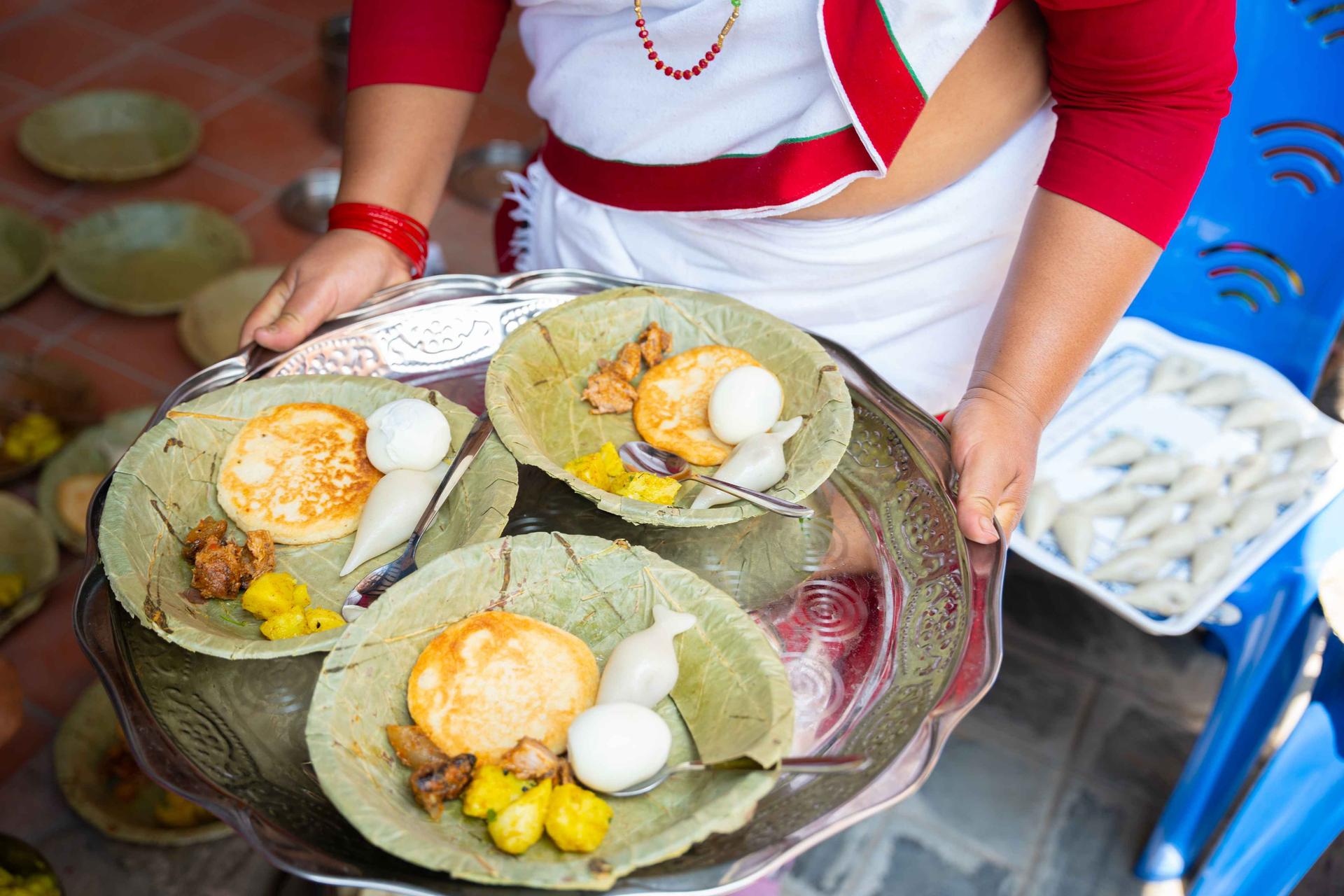
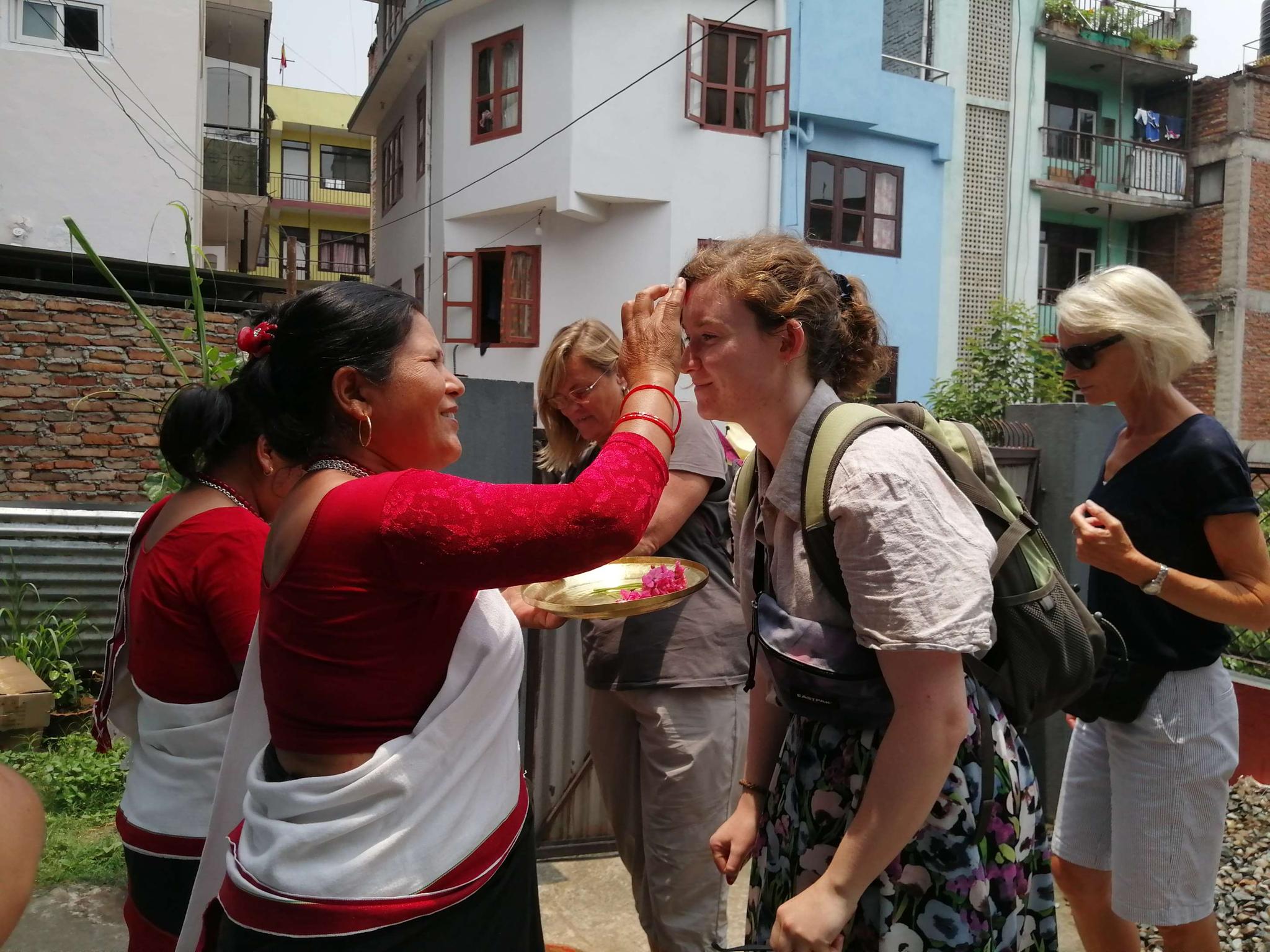
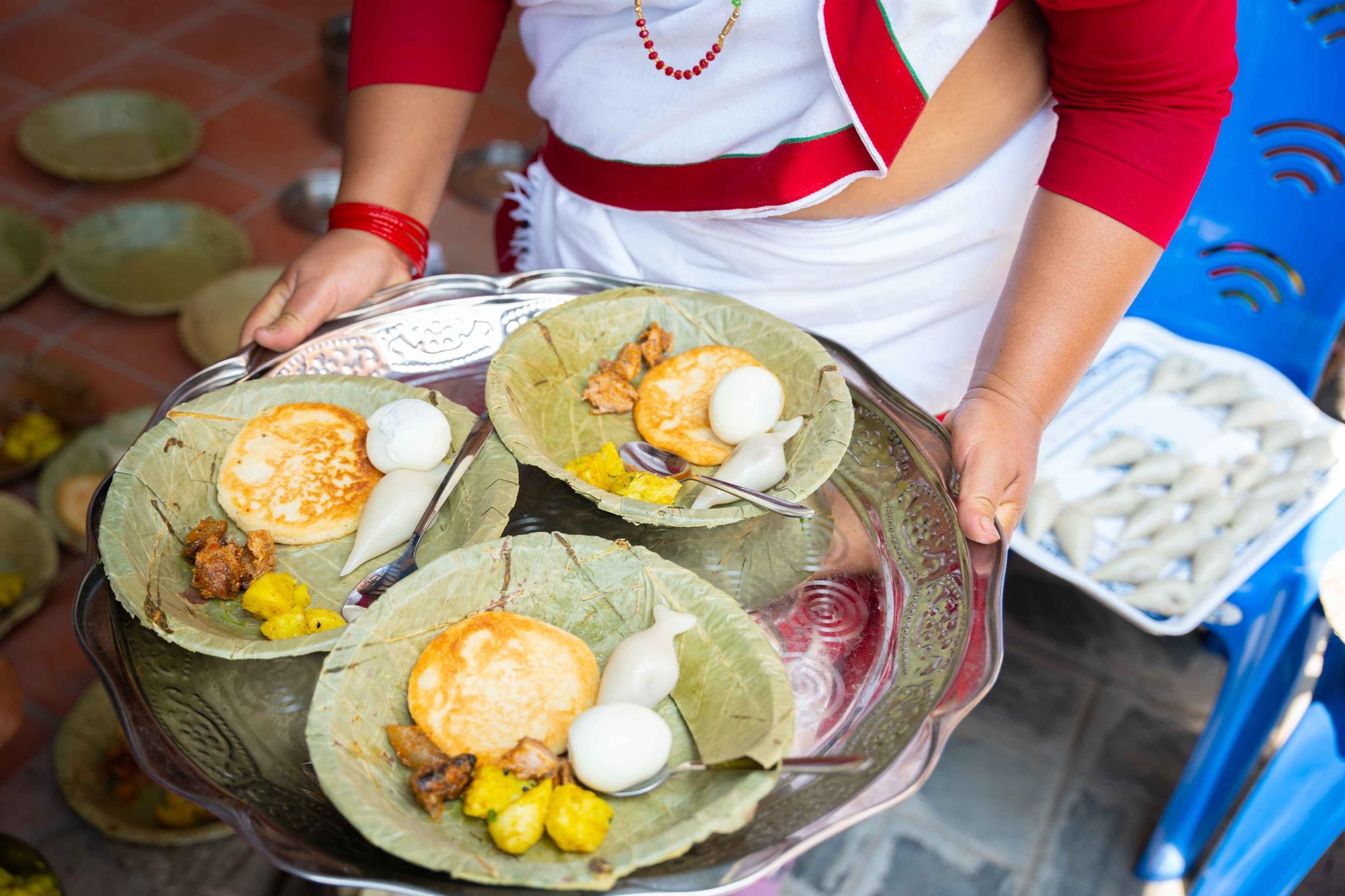
A stay in Kirtipur means being welcomed into traditional Newari-style homes, adapted for modern comfort without losing their historic character. Rooms are clean, cozy, and family-run, offering warm hospitality that extends far beyond the guest room. Meals are a highlight, freshly prepared with locally sourced ingredients, often from the hosts’ own gardens, and always served with the pride of sharing Newari cuisine with the world.
Activities and Experiences
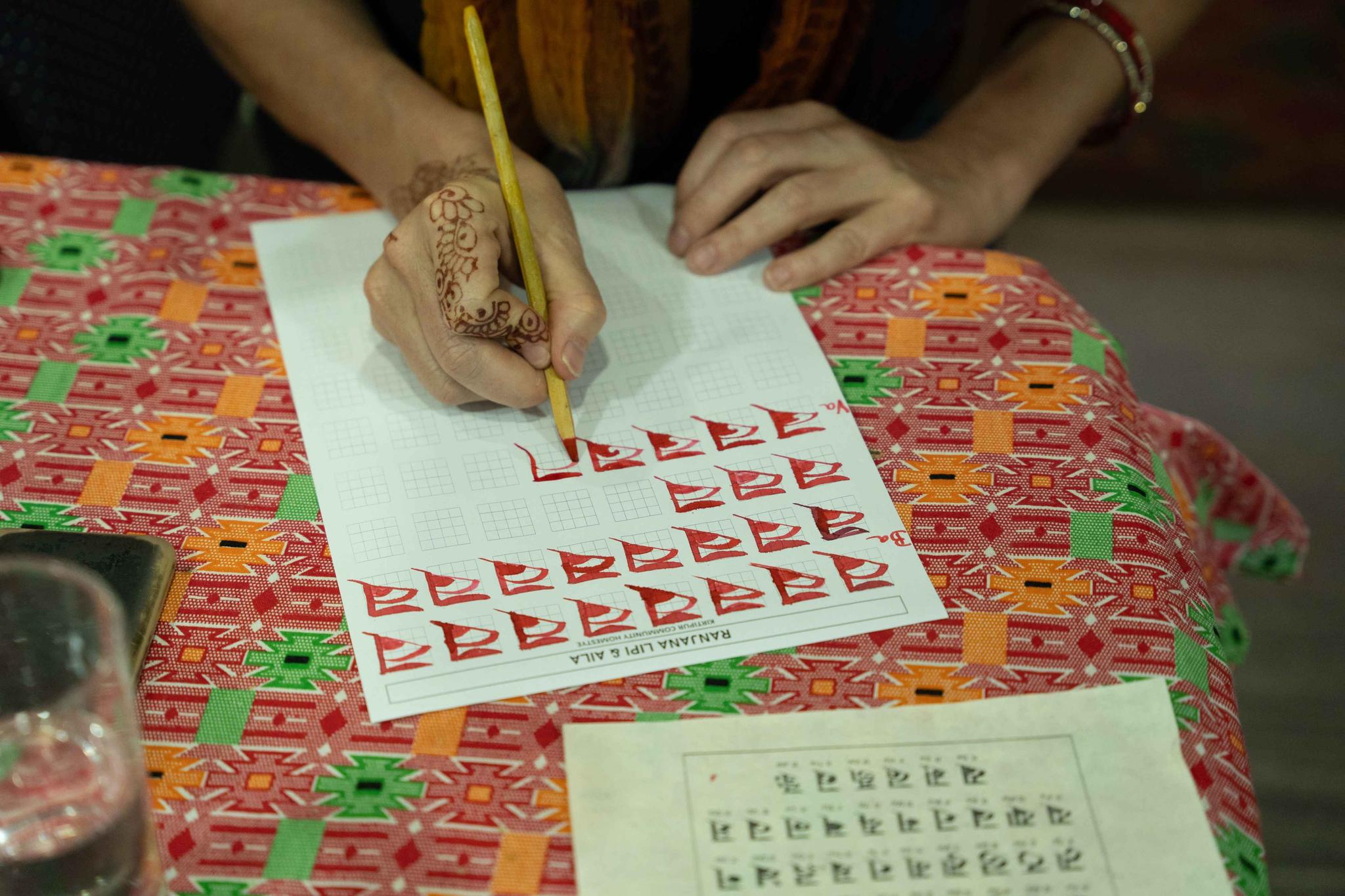
Kirtipur invites you to learn, taste, and celebrate alongside the community. Whether mastering the curves of Ranjana Lipi script, rolling dumplings in a momo-making workshop, or joining in vibrant festivals, your experiences here are deeply tied to the town’s heritage. Highlights include:
Momo-Making Class – Learn Nepal’s favorite dumpling with Momo moms.
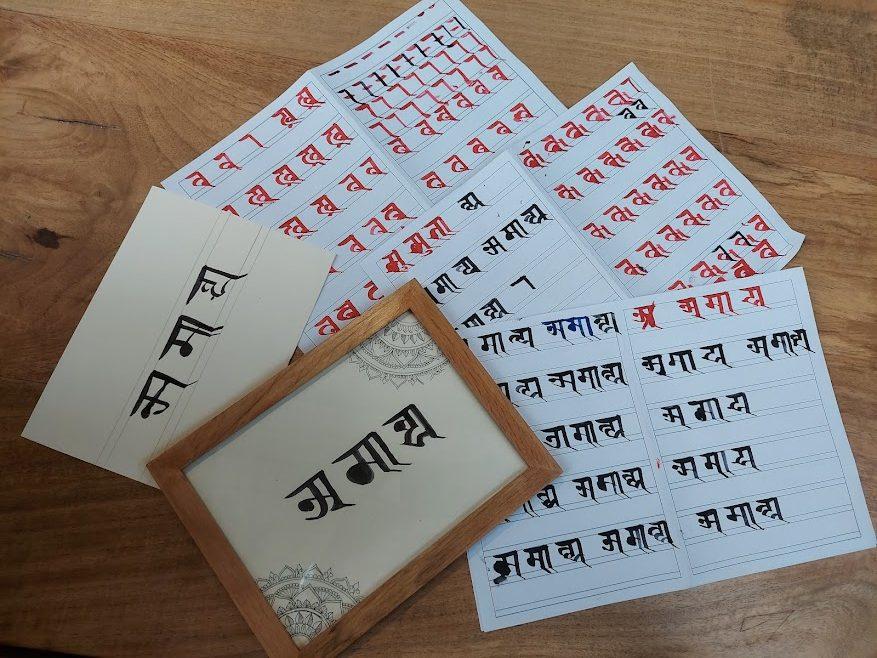
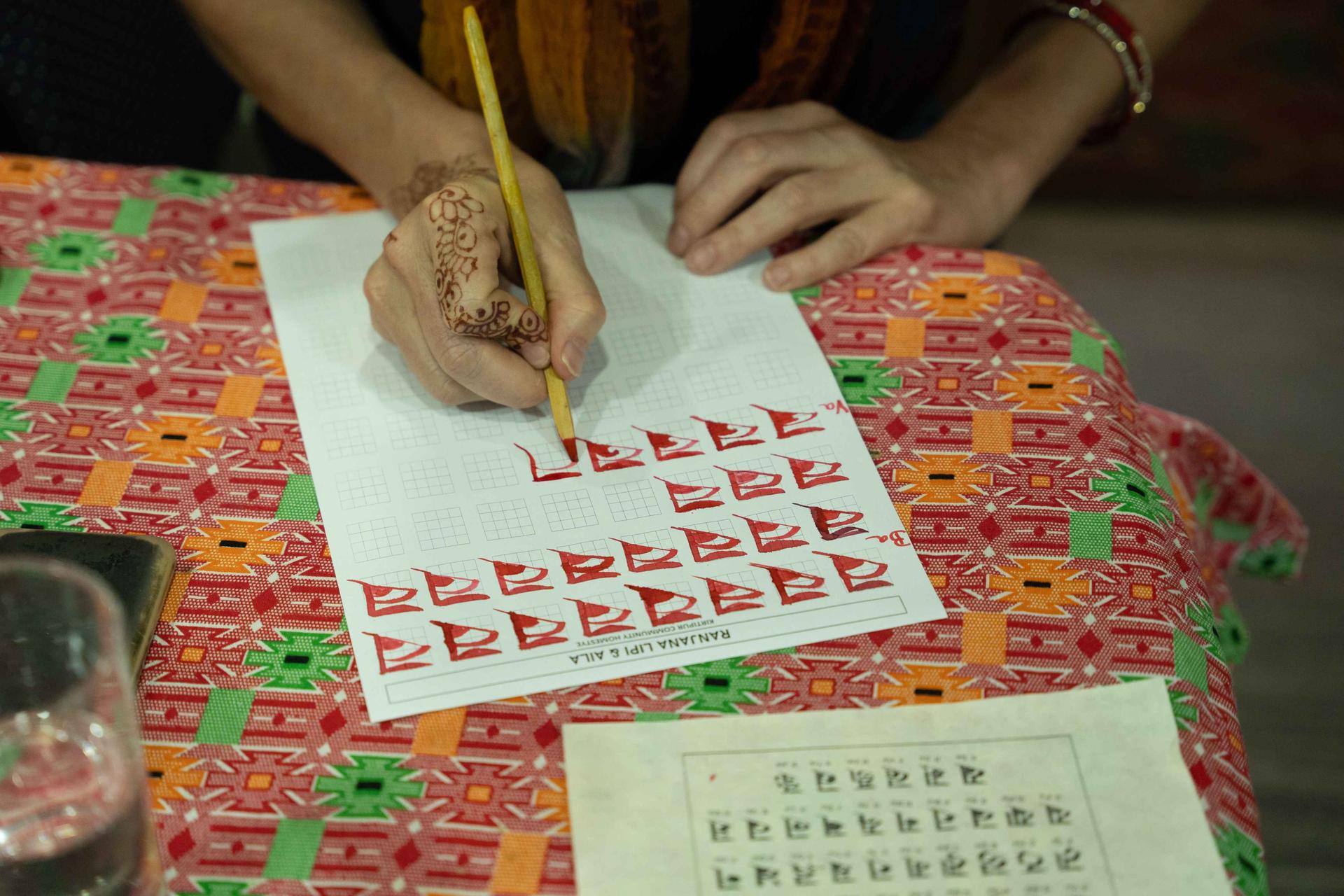
Learn Ranjana Lipi Script – Discover the ancient Newar writing system from local experts
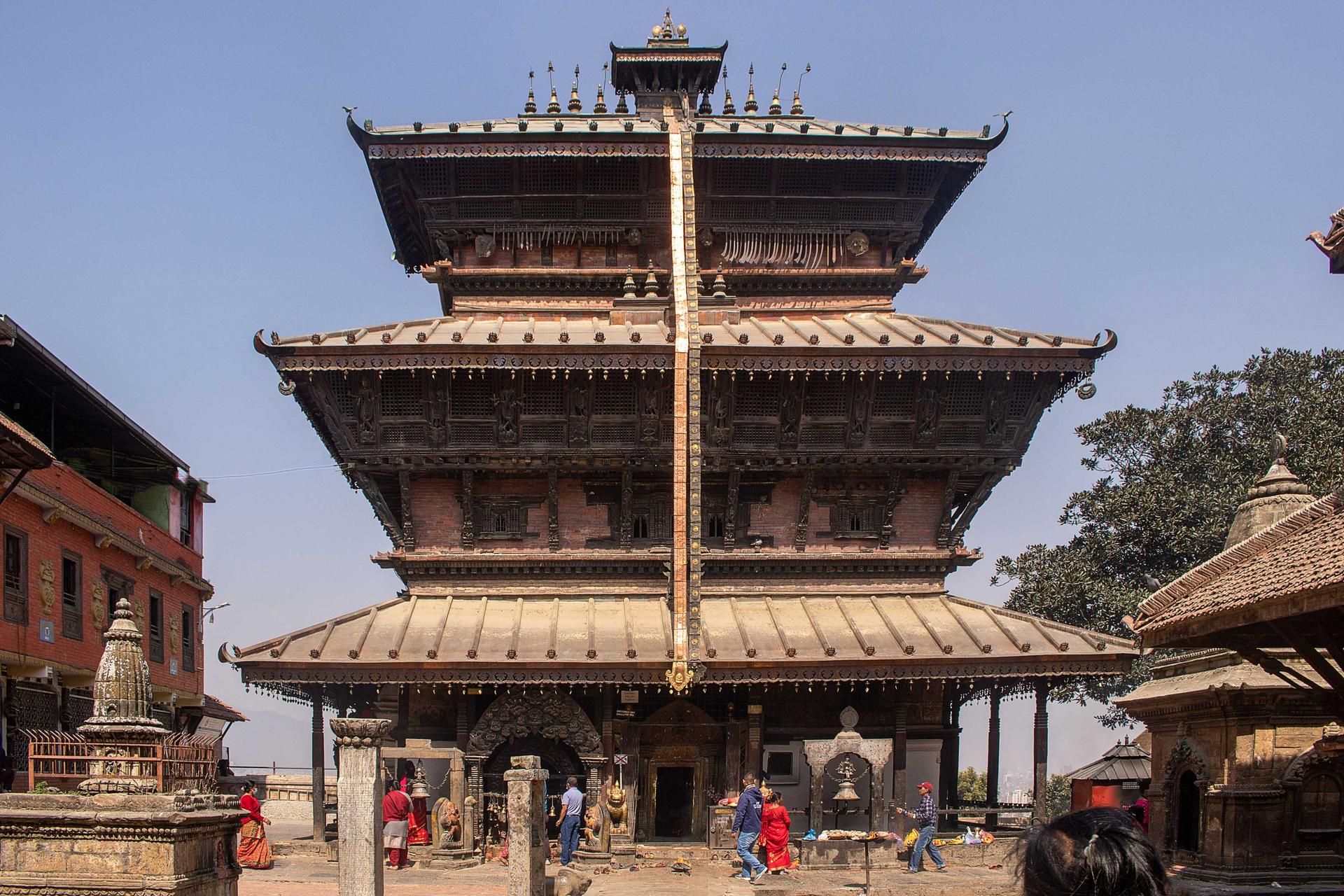
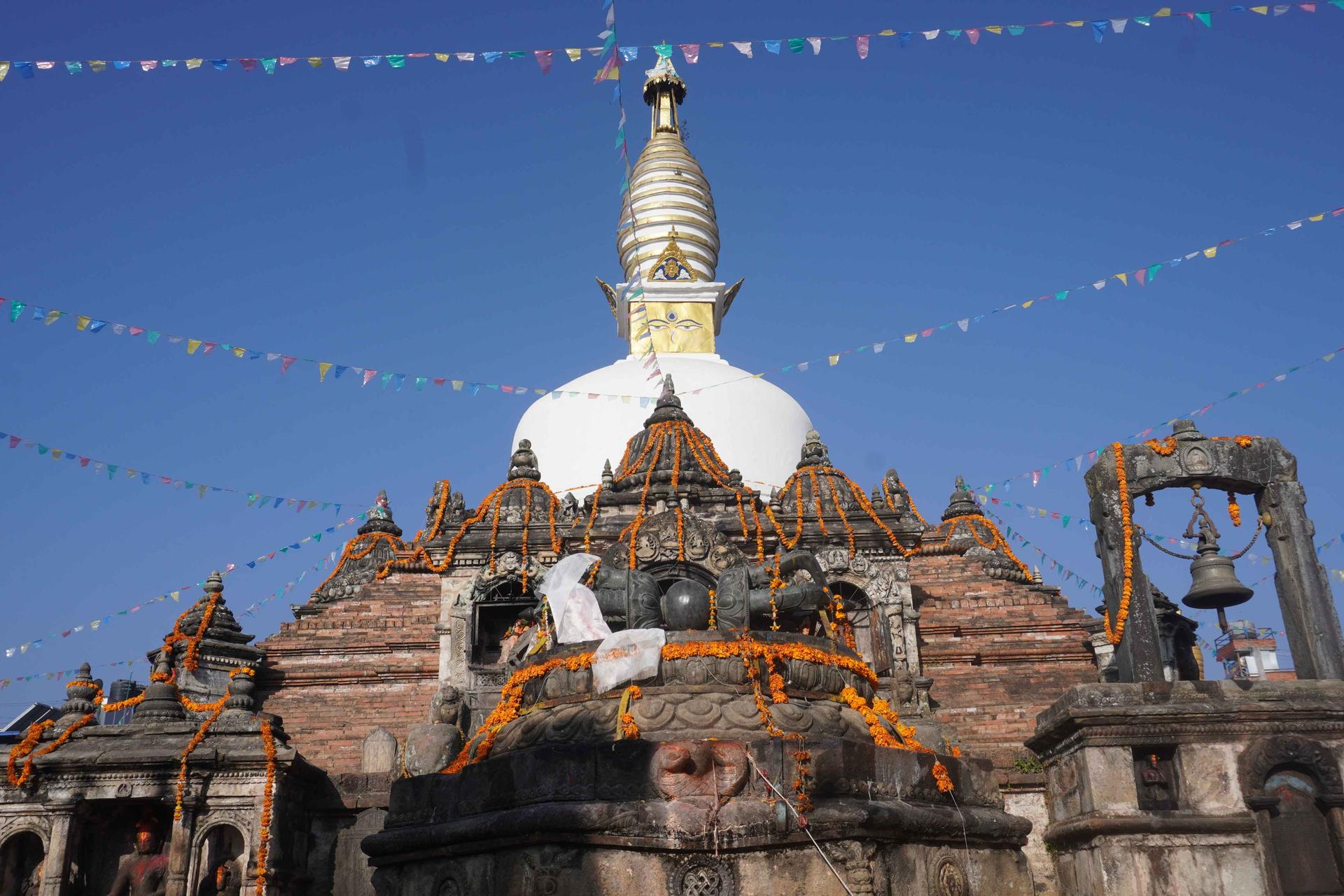
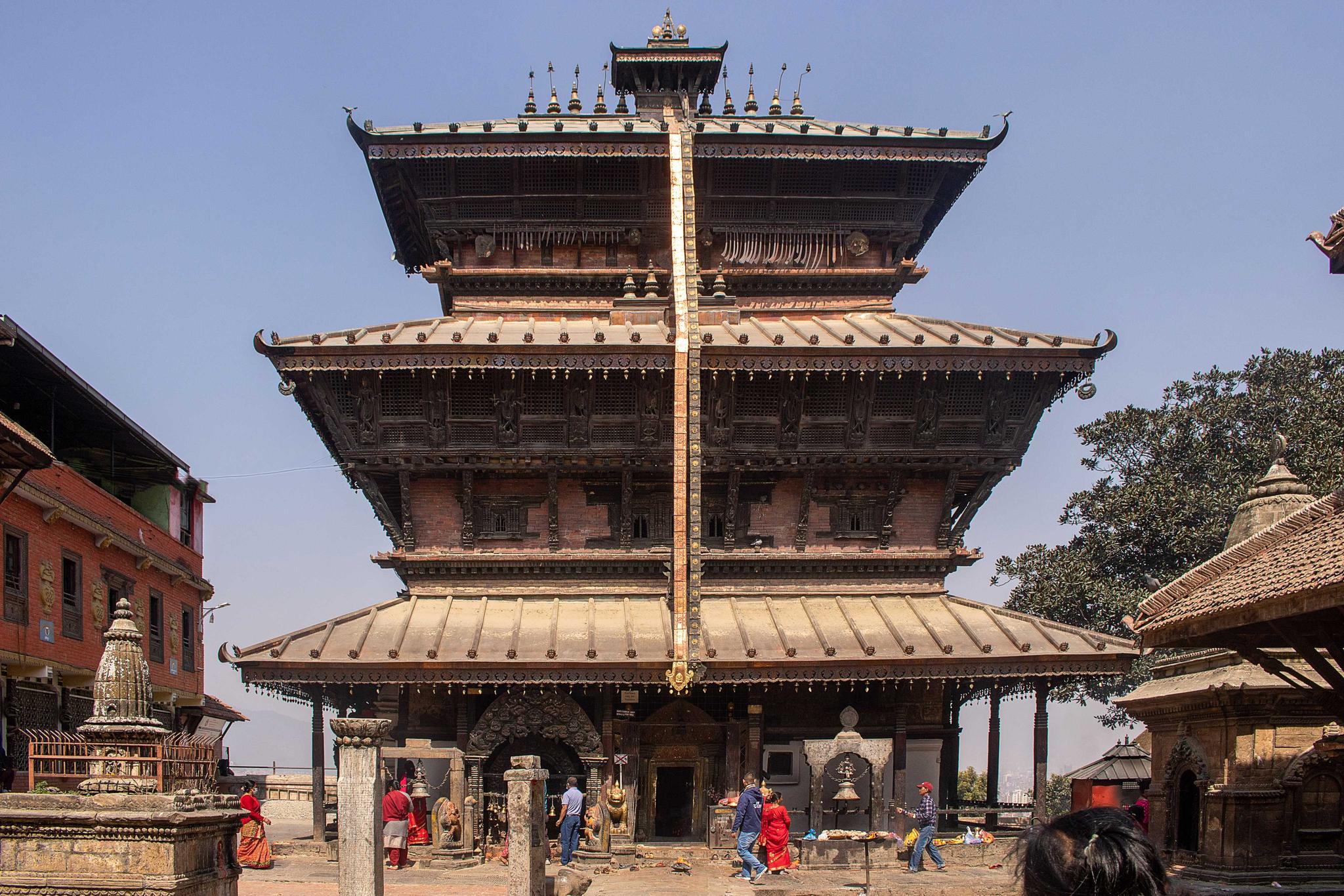
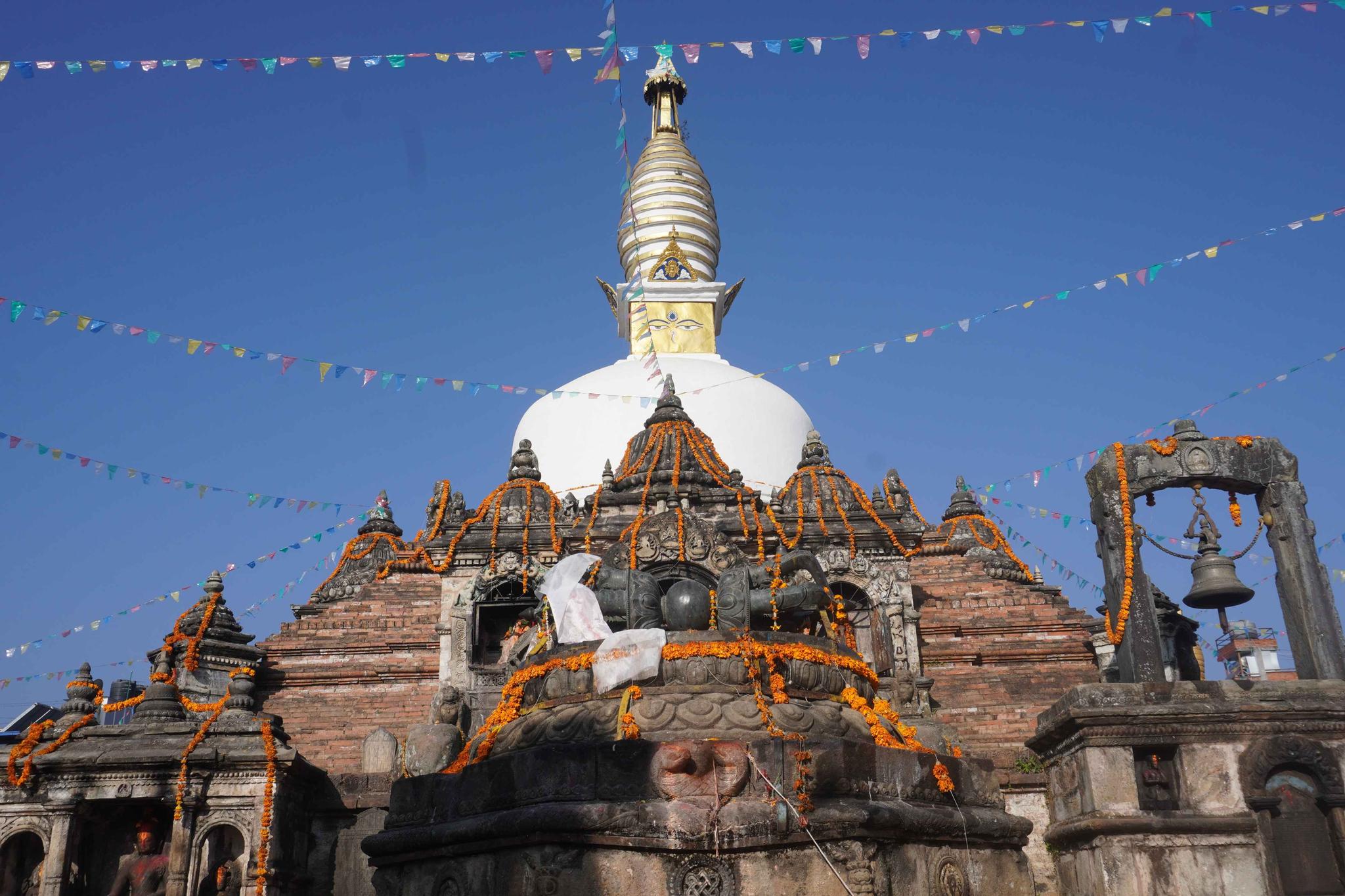
Heritage Walks – Explore Baghbhairav Temple, Uma Maheshwor, Chilancho Bihar, and the Thai Monastery
Cooking with the hosts : Learn to make traditional dishes with the homestay hosts
What You Can Do in and Around Kirtipur
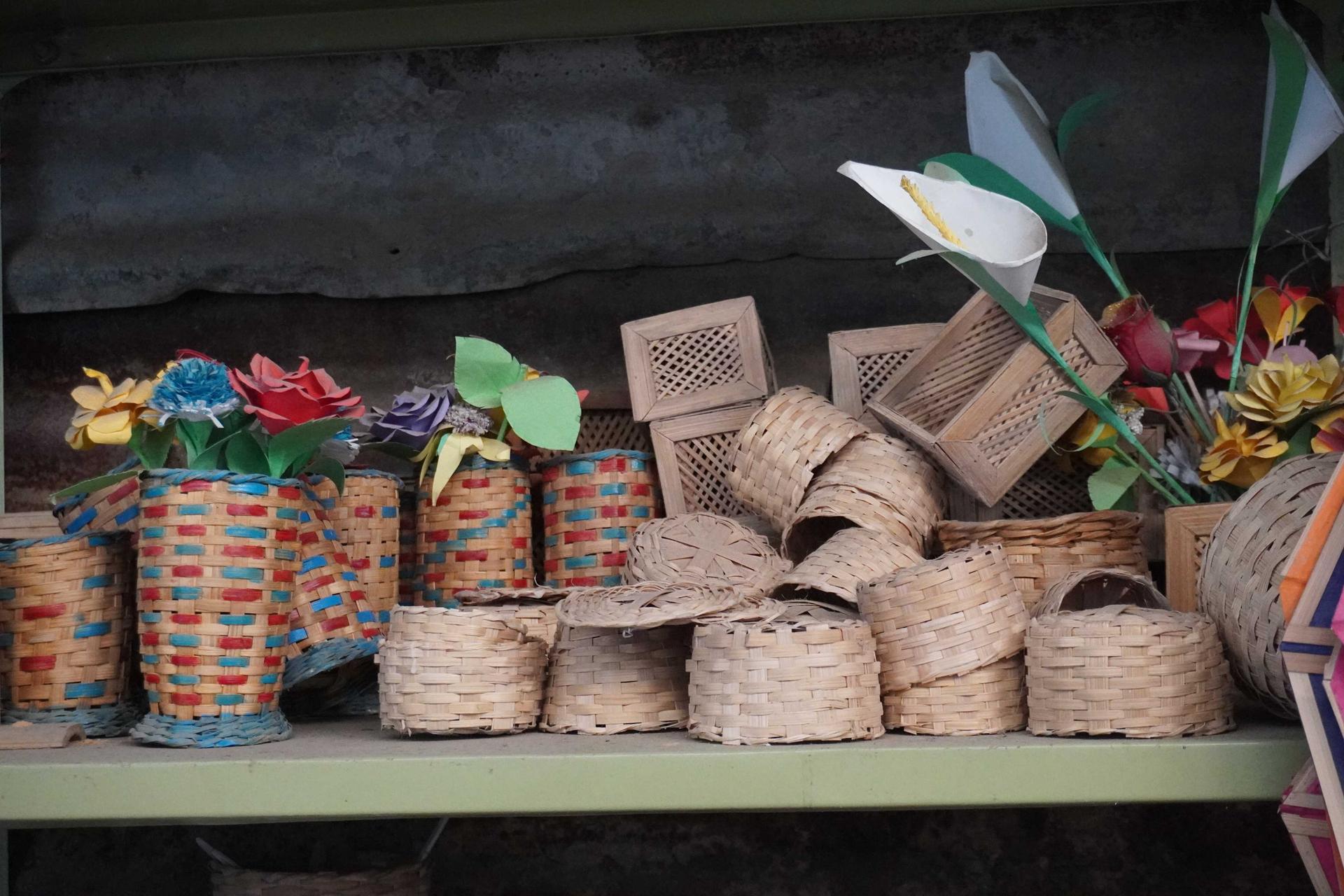
Kirtipur offers a rich blend of heritage, culture, and nature just beyond its stone-paved streets. Wander through winding alleys to discover centuries-old temples, meet local artisans preserving traditional crafts, and experience the rhythm of daily life in a Newar town. For outdoor enthusiasts, nearby hikes such as Champadevi and White Monastery (Seto Gumba) offer sweeping valley views. Sacred sites like Dakshinkali Temple and Pharping are just a short drive away. Throughout the year, the town comes alive with festivals - from the vibrant Indrayani Jatra in December to Gai Jatra in August - inviting visitors to witness and participate in music, dance, and community rituals that bring Kirtipur’s living culture to life.
Why Kirtipur?
Kirtipur is more than a destination—it’s a cultural heartbeat. Once a strategic fortress town, it remains deeply rooted in its Newar heritage, where festivals, food, and craftsmanship shape everyday life. Kirtipur is one of the rare places where heritage isn’t just displayed, it's lived. Predominantly a Newar settlement, the town’s urban fabric of stone-paved streets, communal courtyards, and centuries-old shrines offers an authentic experience rarely found so close to Kathmandu. Once overshadowed by mainstream tourism, Kirtipur now stands out as a cultural gem, thanks to community-driven tourism that gives travelers a chance to go beyond the usual. Choosing Kirtipur means choosing a story of resilience—where women have turned challenges into opportunities and cultural pride into livelihood. Your visit sustains this momentum and helps preserve traditions for generations to come.
Your Stay, Their Story
Behind every homestay in Kirtipur is a story of resilience and empowerment. Women who once struggled to find ways to earn a living now welcome travelers into their homes, lead cultural experiences, and manage their own incomes with pride and confidence. As one host, Sumitra Maharjan, shares, this journey has transformed her life: " Now, I am financially independent and proud to teach momo-making to travelers from around the world. It gives me confidence and happiness to share my culture while supporting my family from home."
These stories are not exceptions—they reflect the growing norm in Kirtipur, where community tourism creates meaningful opportunities while preserving Newar traditions. When you stay here, your presence becomes part of this transformation. By participating in initiatives like momo-making classes, heritage walks, and Ranjana Lipi workshops, you help families thrive, support cultural preservation, and contribute to a sustainable future. Guests leave with more than memories—they leave knowing their visit has made a tangible impact on the lives of hosts and the community.
One remarkable example of this transformation is a women’s collective in Kirtipur that has reimagined a traditional meal experience, once considered unpaid domestic labor into a dignified source of livelihood. Supported by Planeterra, a global non-profit using tourism to uplift communities, and the Community Homestay Network, this initiative has not only generated income but also strengthened community solidarity. The kitchen, in this case, has become more than an economic space; it defines the quiet yet powerful space in which women challenge structural inequalities through acts of collective care, agency, and redefinition of traditional roles.