
The Journey of Naupata Homestay
Naupata Community Homestay began as a humble effort under the very first community based tourism initiative of the Api Nampa Conservation Area. In a region where tourism was once unfamiliar and opportunities were scarce, a few determined families opened their homes to travelers, believing their remote culture, warm hospitality, and Himalayan lifestyle deserved to be seen and celebrated.
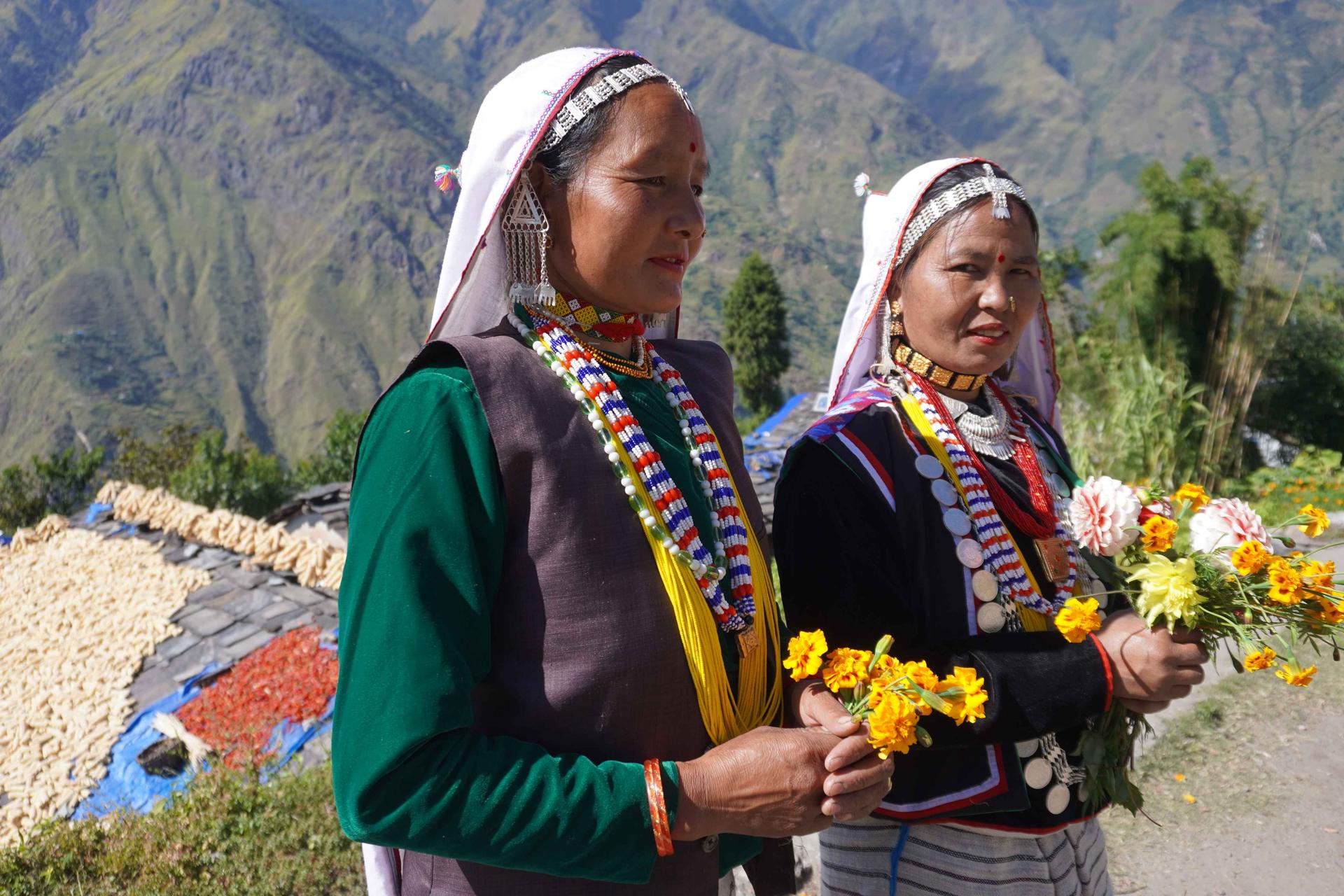
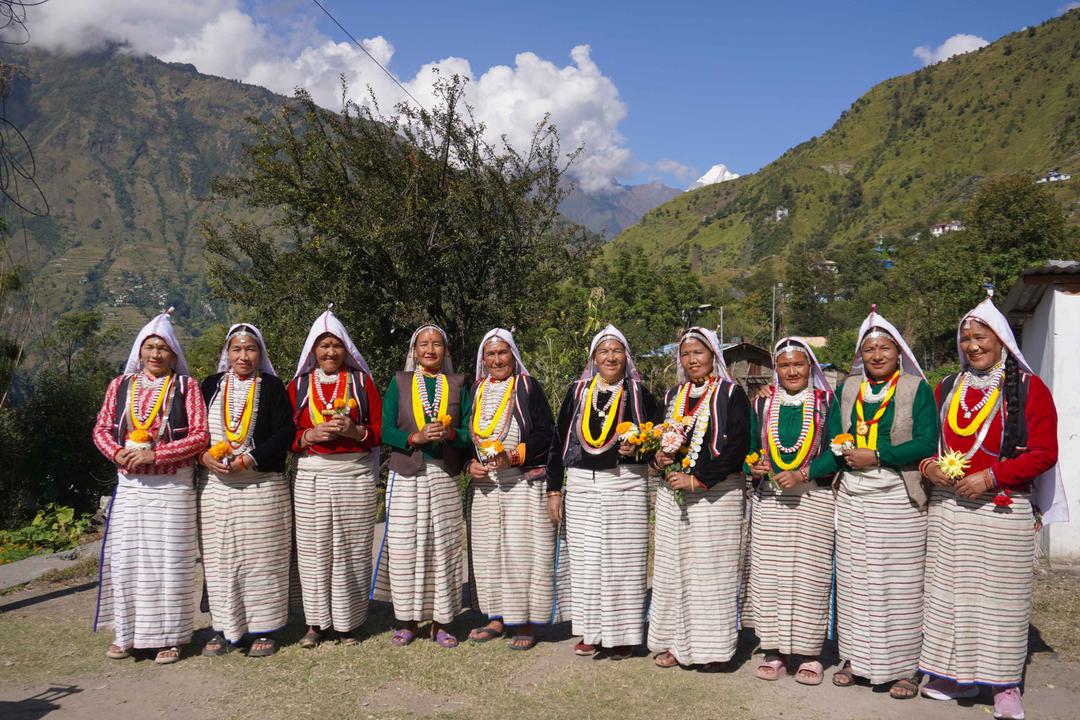
What started as a small beginning has now grown into 11 homestay households led primarily by women, many from the Chettri community - a cultural identity unique to this region. The homestay has become a window to peek into the unique culture of this remote region of the country, offering not only lodging but a deep connection to the heritage, hardship, and heart of Nepal’s far-western hills. Today, Naupata stands as the most authentic and memorable highlight along the Api Himal Base Camp trekking route - a rising trail still untouched by crowds.
Where is Naupata?
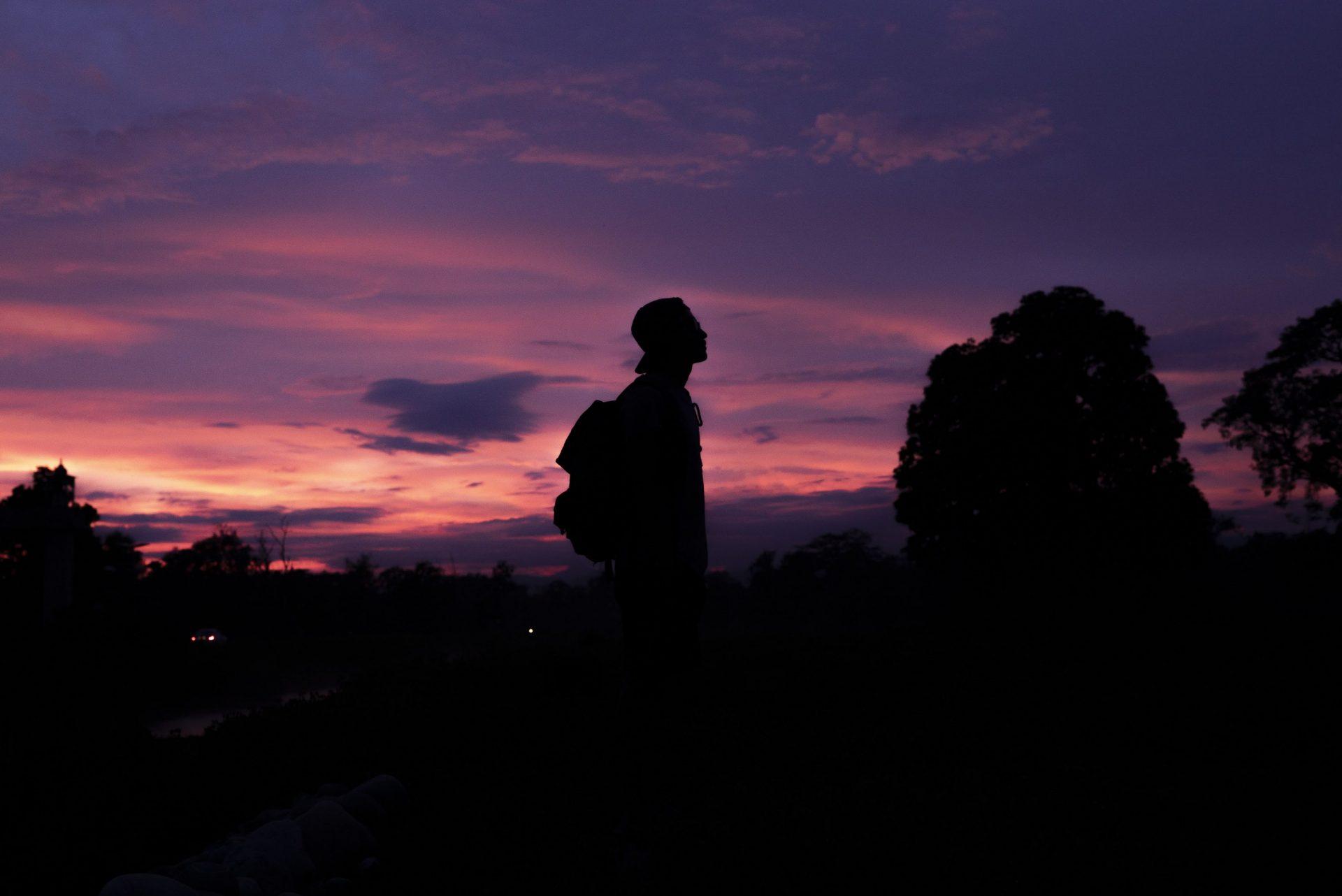
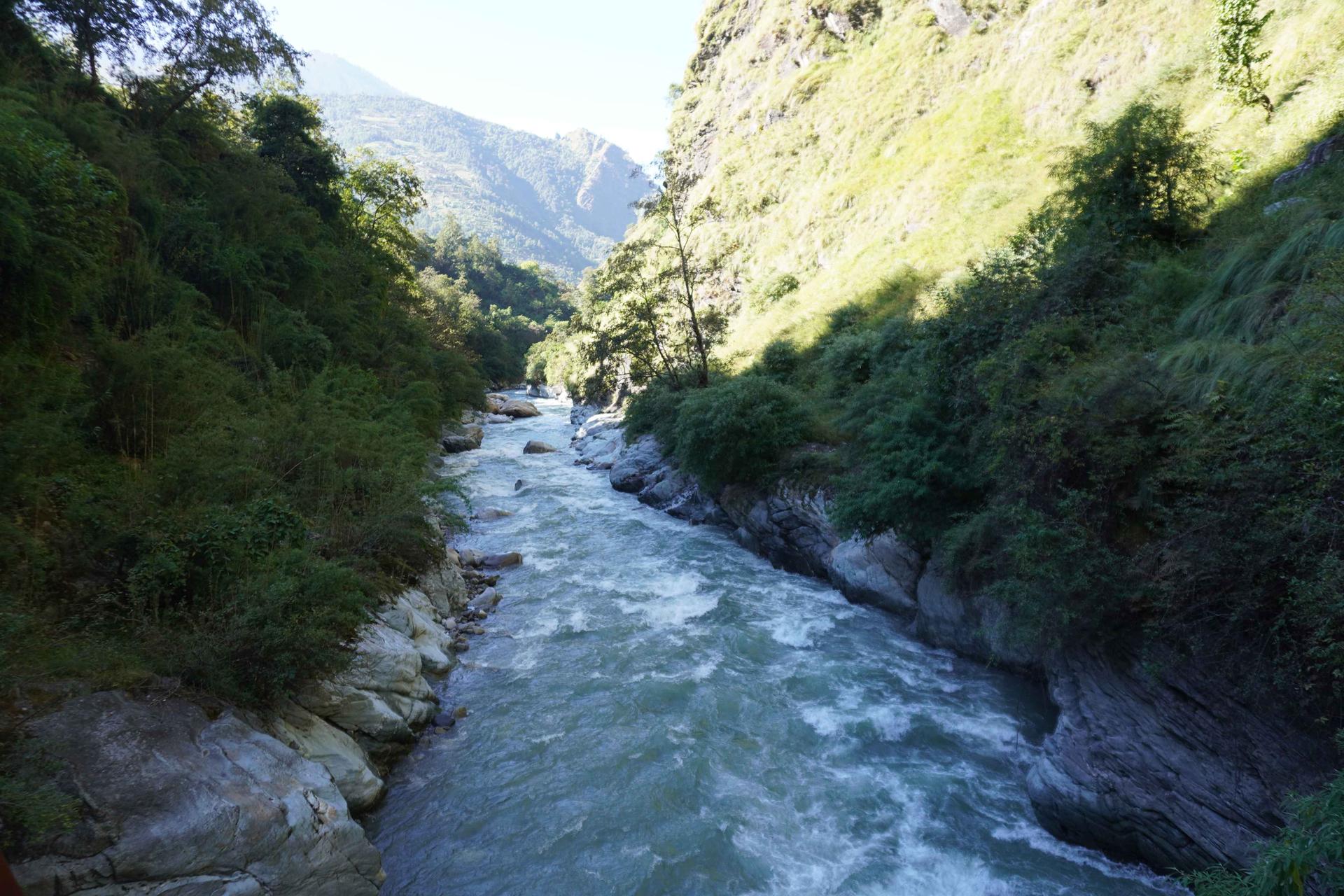
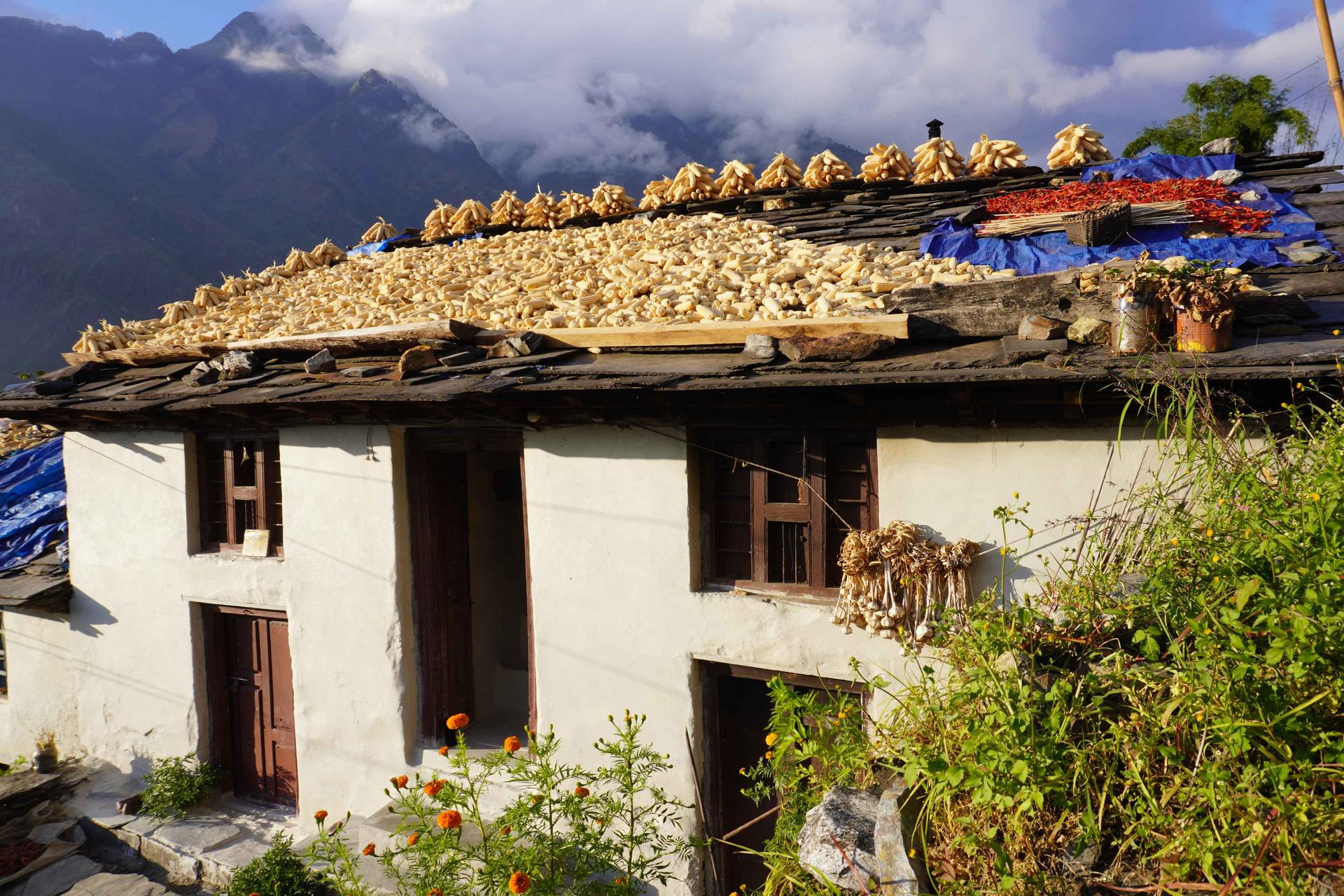
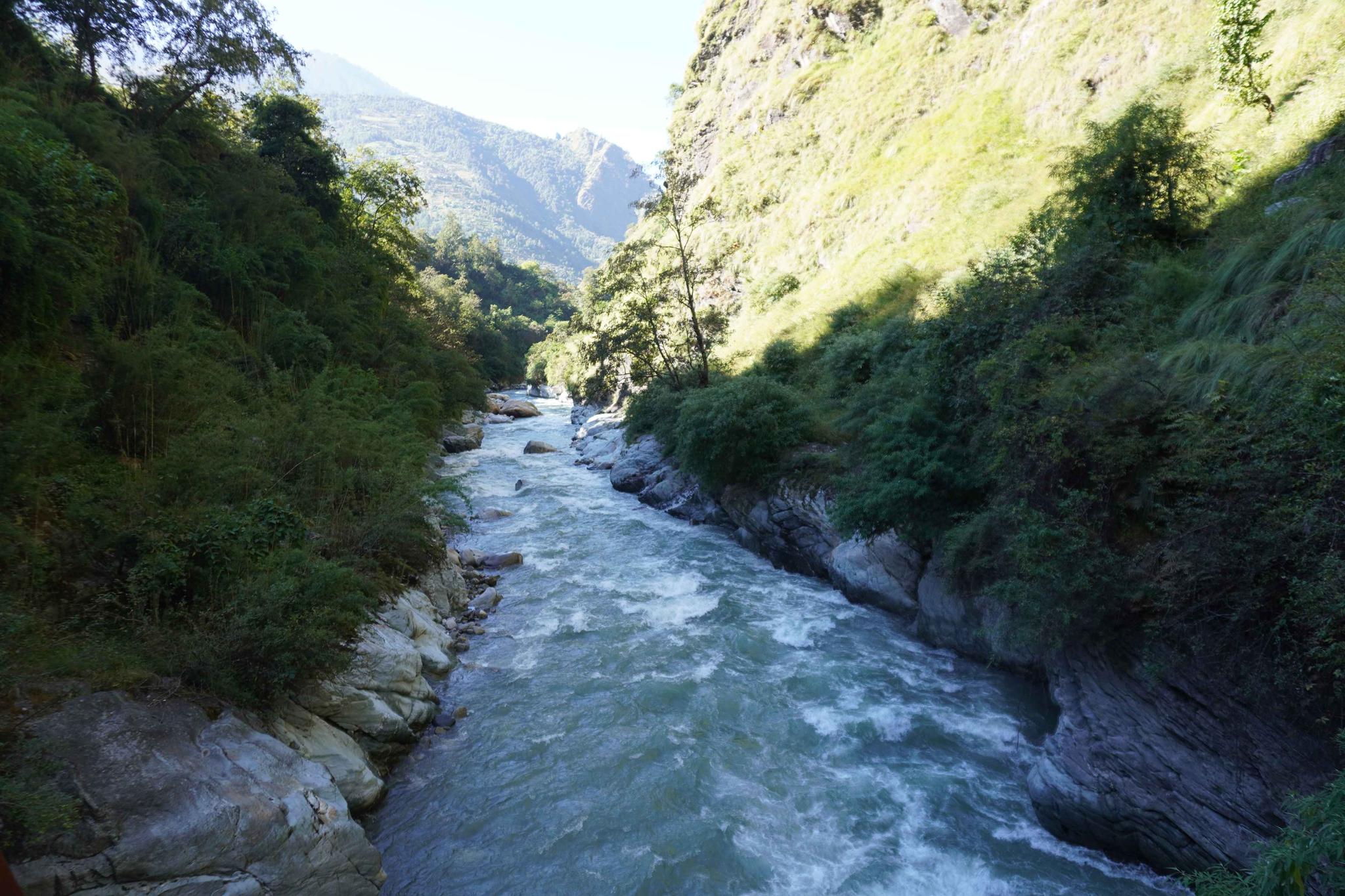
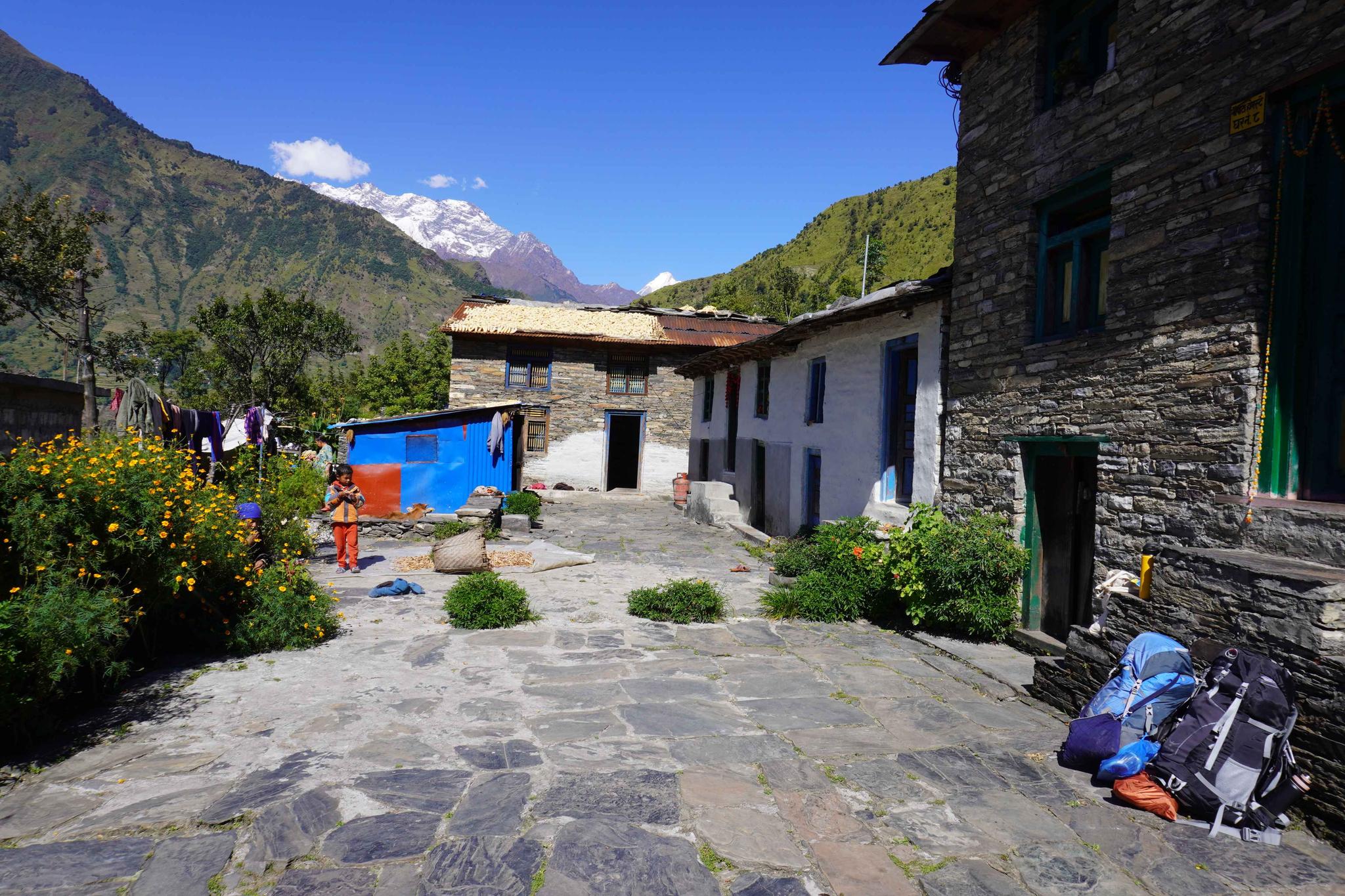
Naupata is a remote mountain village located in the Darchula District of far-western Nepal. Resting at an elevation of approximately 1,450 meters above sea level, the village is surrounded by rolling hills, and pristine landscapes that reflect the untouched beauty of this region. Life here follows the rhythm of nature; from sunrise over the hills to cool, windy nights under the stars. Accessible only by a scenic three-hour uphill hike, Naupata rewards the journey with peaceful mountain air, star-filled skies, and the warm hospitality of a community rooted deeply in tradition.
The best time to visit Naupata is between March and May, and again from September to November, when the skies are clear, the trails are lively, and village activities are in full swing.
Accommodation
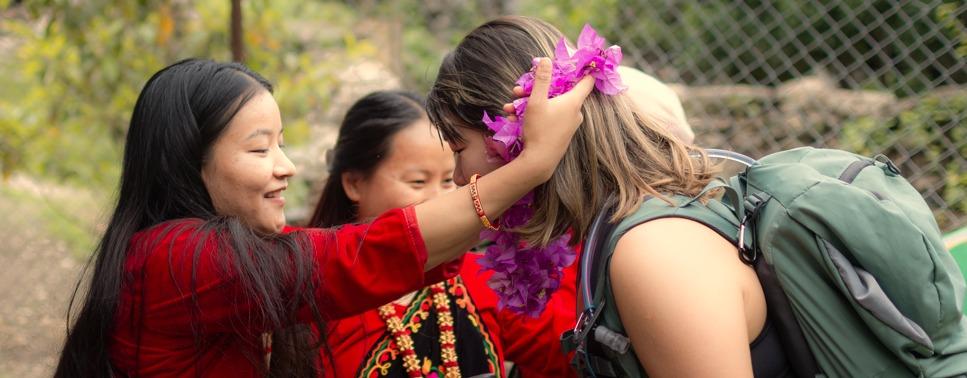
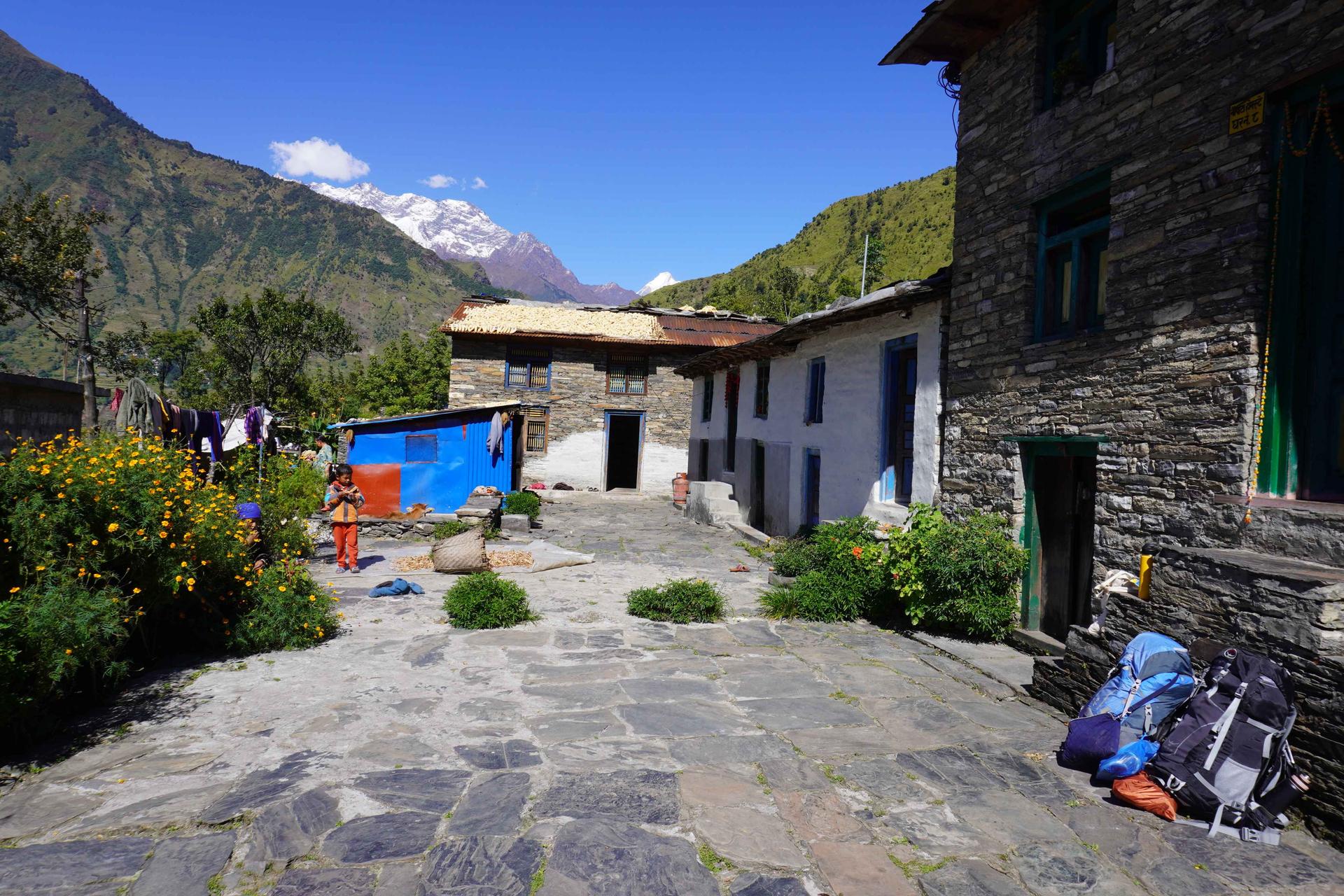
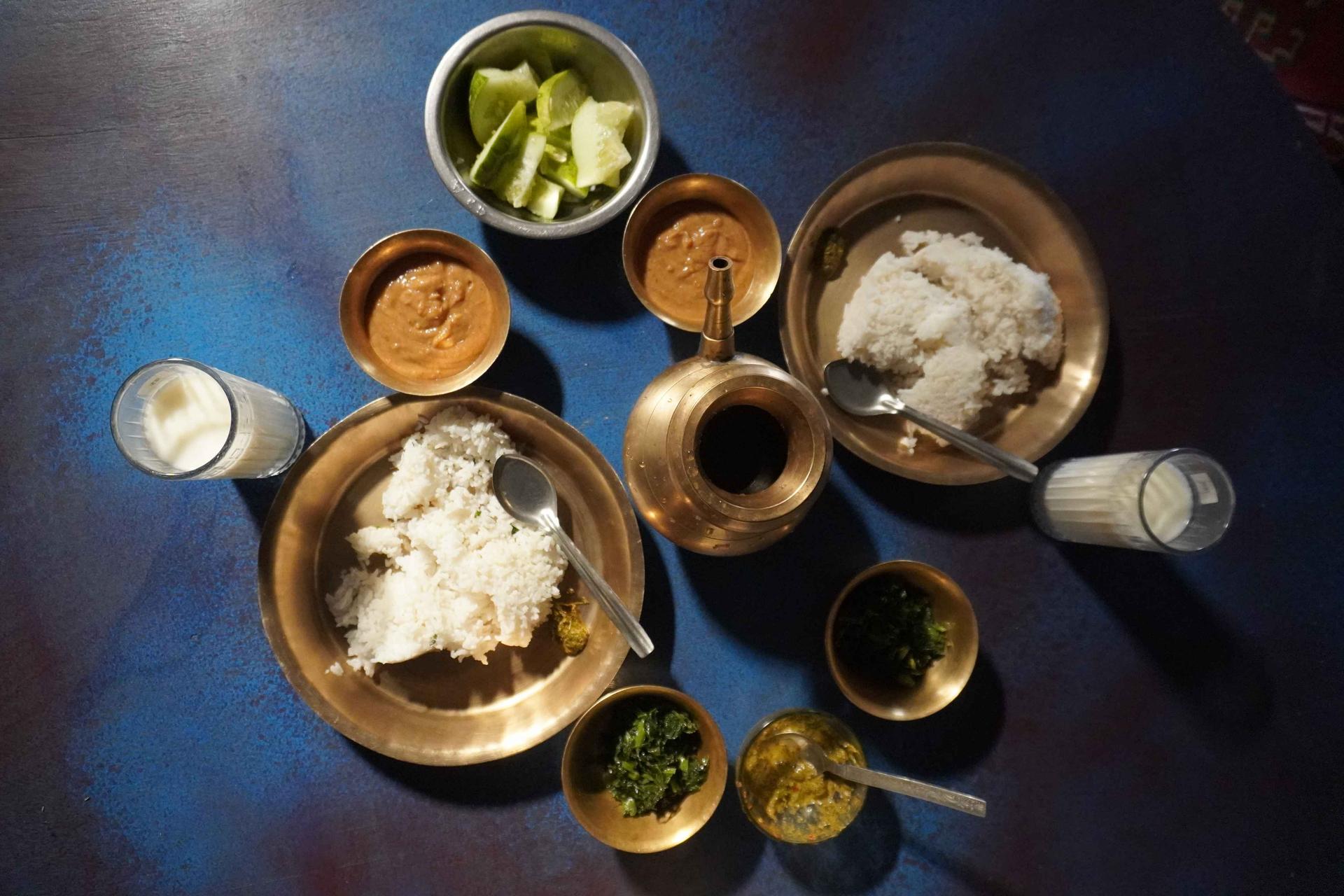
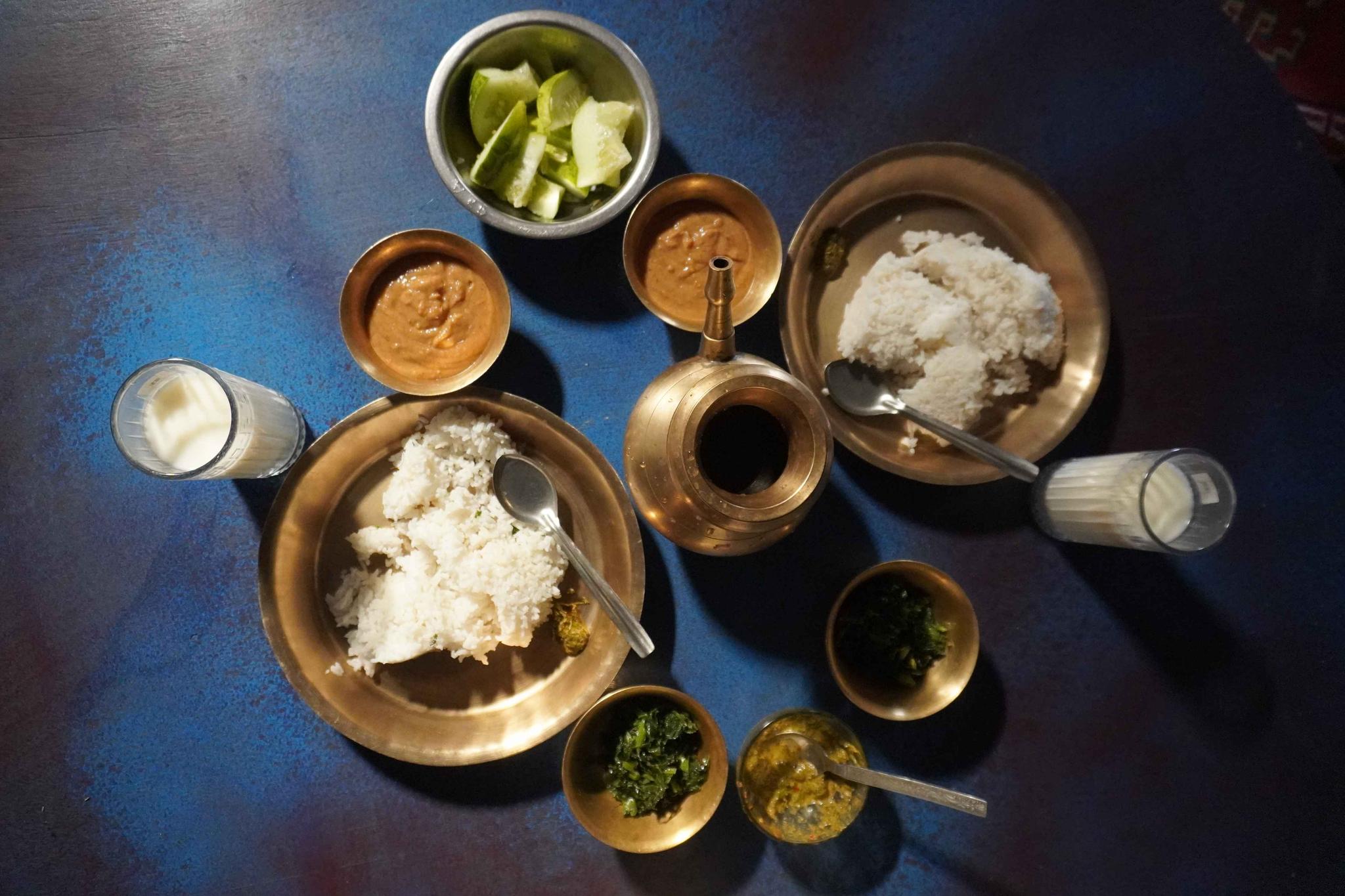
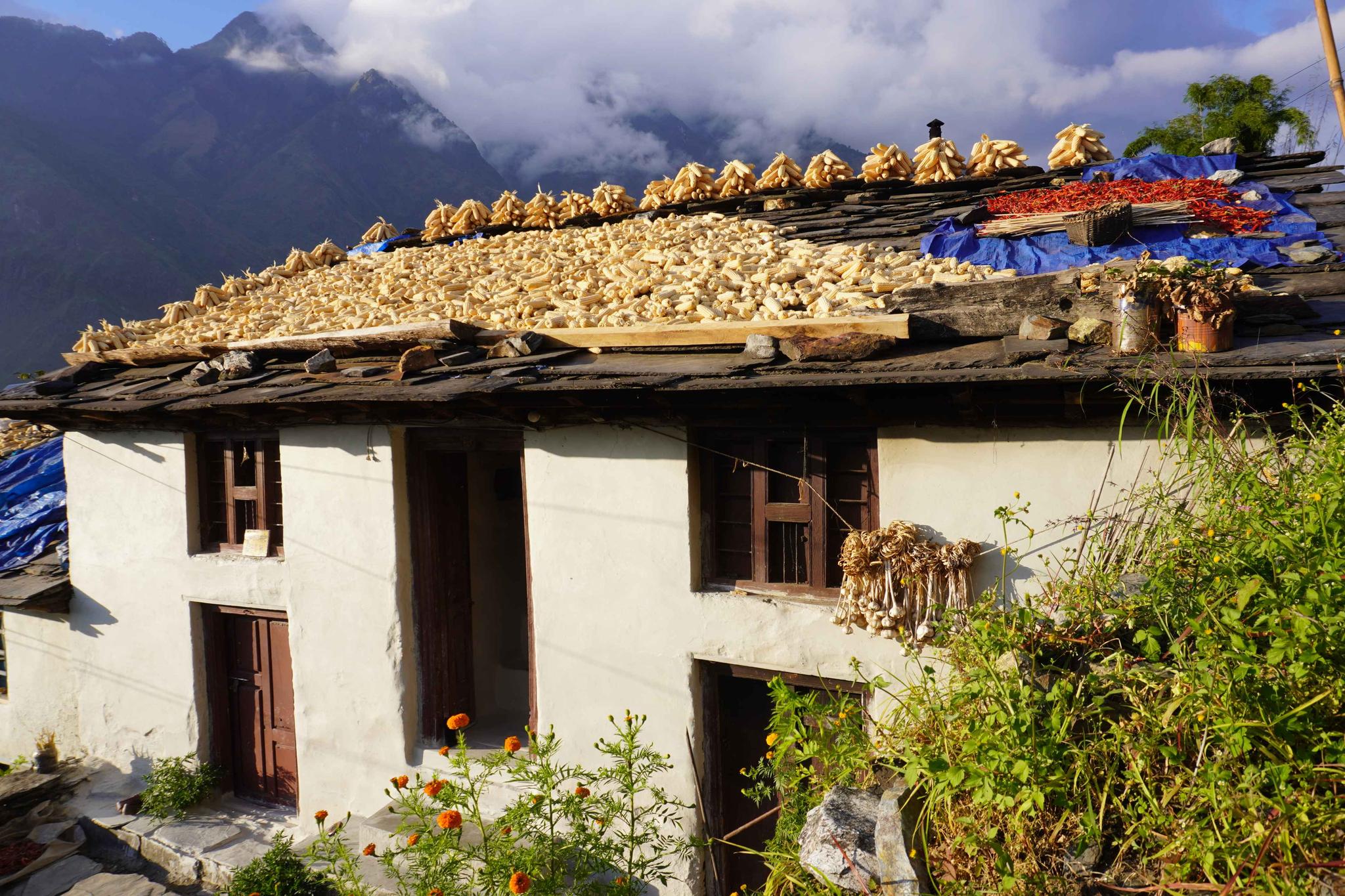
The Naupata Community Homestay offers cozy and traditional stone-and-wood houses that reflect the village’s architecture and way of life. Managed mostly by women, each homestay welcomes guests like family. The rooms are basic yet clean, simple, and comfortable, designed to provide an authentic rural experience. You’ll enjoy home-cooked traditional meals prepared with locally grown ingredients, a true taste of the region’s hospitality. What makes Naupata special is not luxury but genuine connection. The women hosts take pride in sharing their culture, stories, and food, turning every stay into a heartfelt exchange.
Activities and Experiences
Life in Naupata moves at a gentle pace — one that invites you to slow down, observe, and participate. Visitors are encouraged to join in daily routines, seasonal activities, and community gatherings that reveal the essence of rural living. Here are some of the experiences you can enjoy:
Cultural Experience: Participate in culture of the community with their folk music and dance
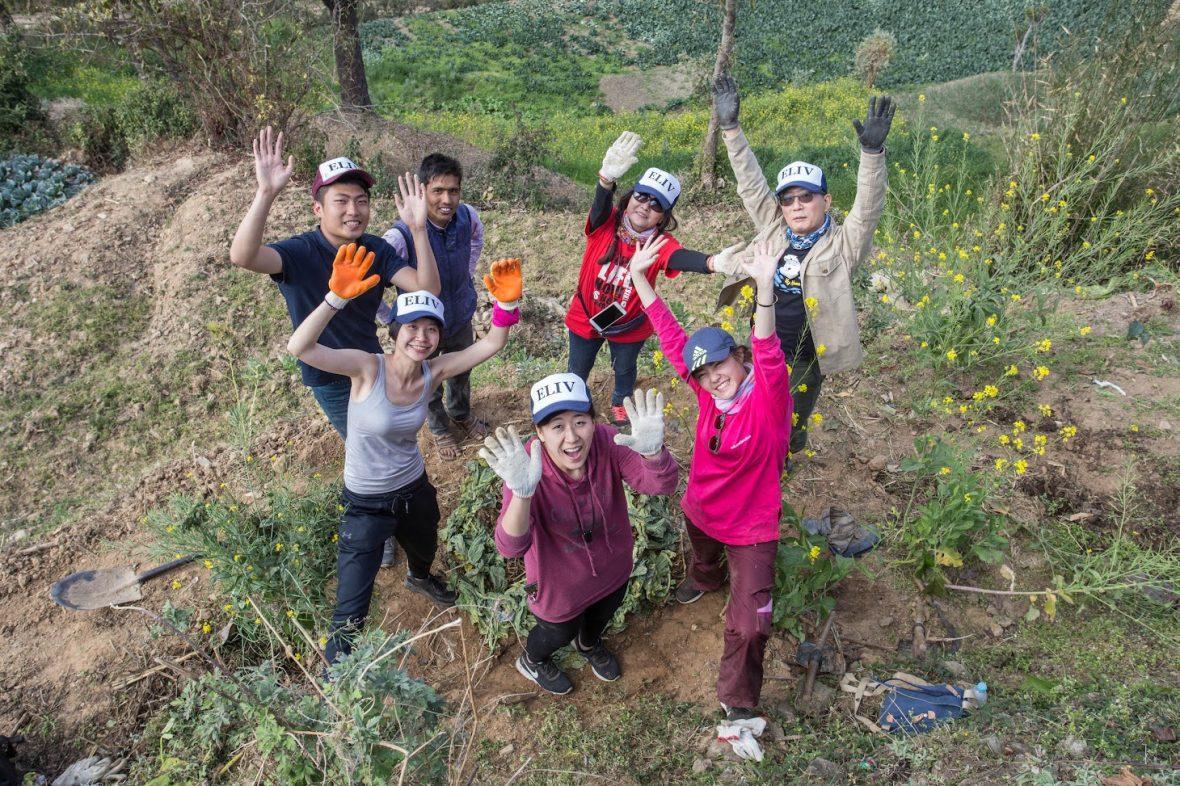
Farming Activities: Join daily farming activities and learn traditional mountain knowledge
What You Can Do In and Around Naupata
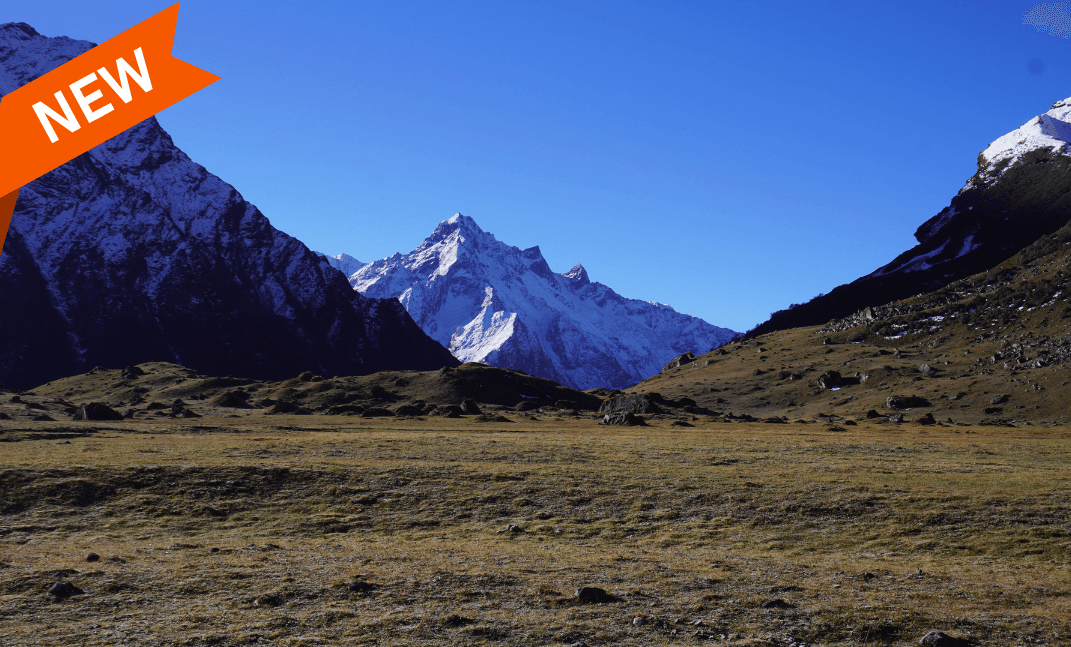
While the village itself offers a world of cultural discovery, the surroundings of Naupata are equally captivating. Adventurous travelers can embark on a trek to Api Base Camp, a 2–3 day journey through remote landscapes leading to the base of Mt. Api - Nepal’s westernmost peak. Along the way, you can also explore two serene alpine lakes near the base camp, where reflections of the mountains create picture-perfect moments.
During the yarsagumba season (May–June), visitors may also get the chance to observe locals as they harvest this rare Himalayan herb, an integral part of their livelihood. Naupata is a gateway to both cultural exploration and natural beauty - a destination where every trail and tradition tells a story.
Why Naupata?
Naupata is unlike any other destination in Nepal - untouched, remote, and rich in authenticity. Tourism here isn’t commercial but meaningful, personal and community-driven. There are no roads leading directly to the village; reaching it requires a three-hour trek, a journey that feels like stepping back in time. Yet, it’s precisely this remoteness that makes Naupata so special.
Each visit supports women-led initiatives, strengthens local economies, and helps preserve cultural identity in an area often overlooked by mainstream travel. Naupata represents a model of resilient rural tourism, one that turns challenges into opportunities and visitors into partners in community growth.