Overview
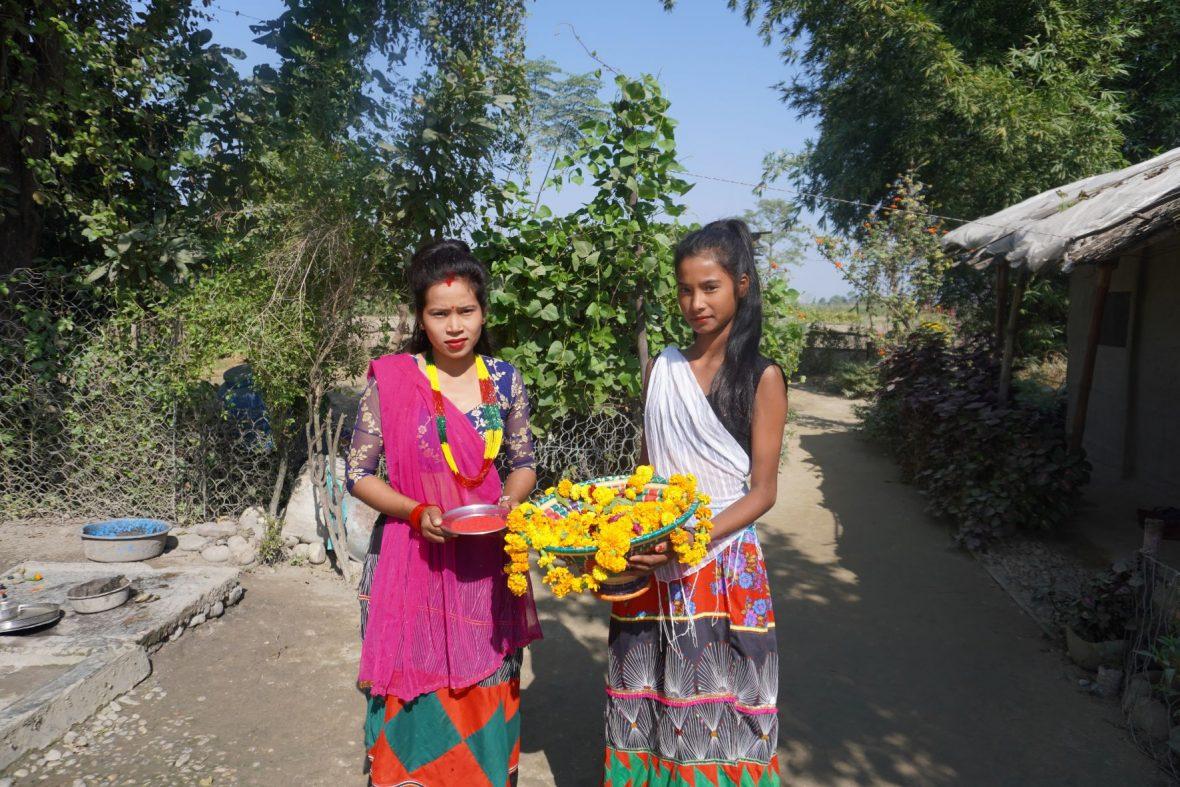
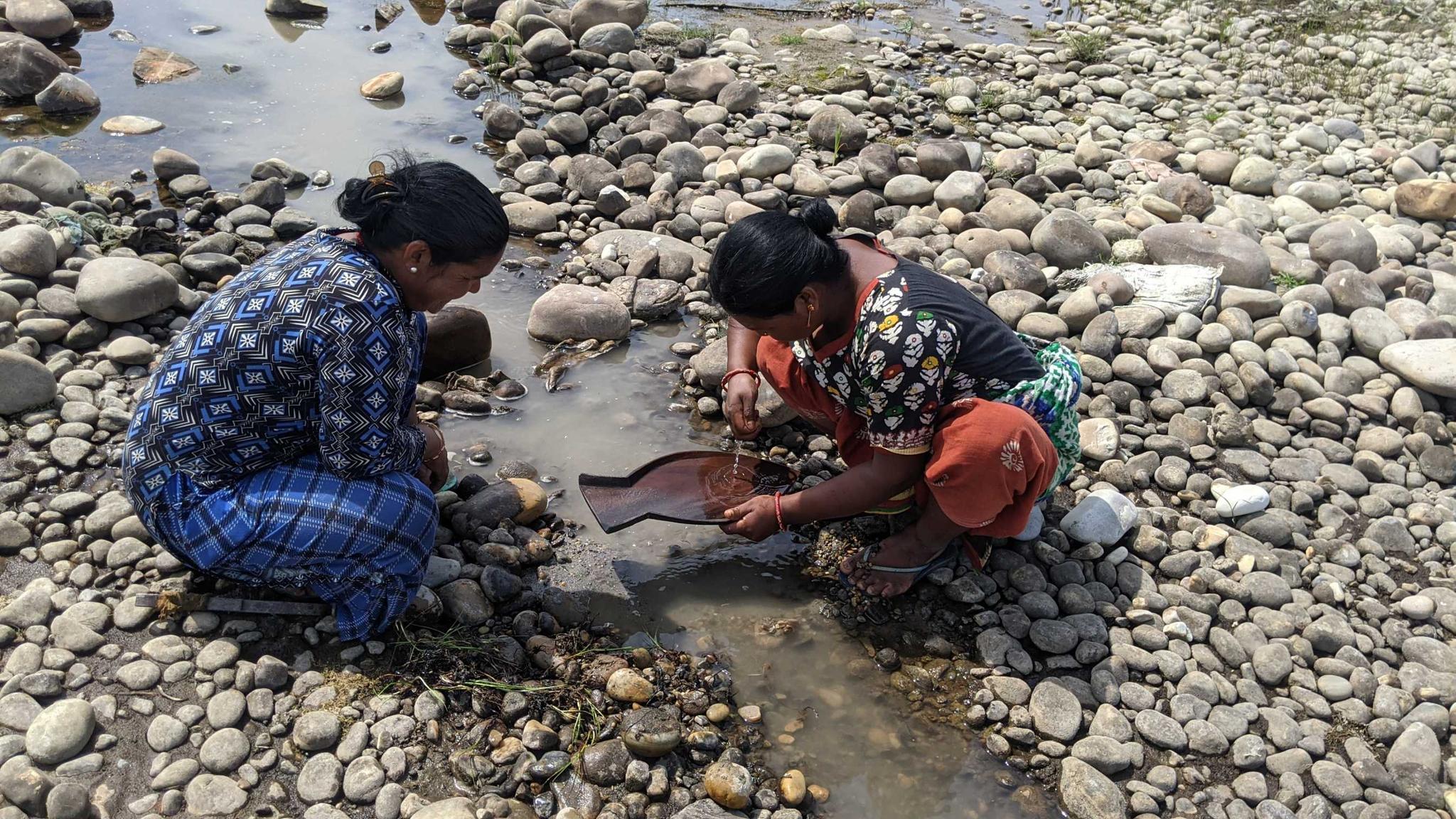
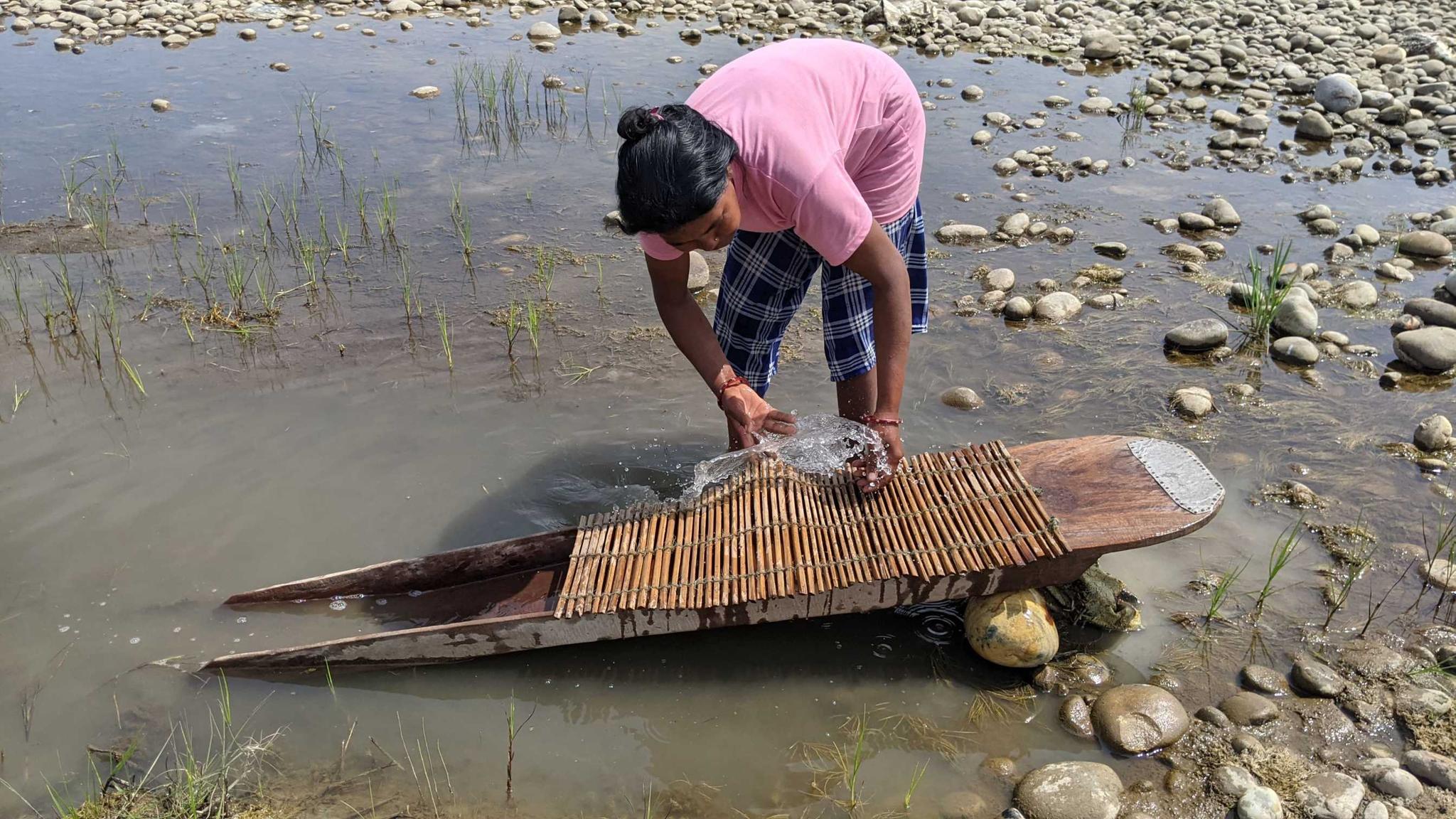
Immerse yourself in the age-old tradition of gold panning with the Sonaha people of the Tharu Sonaha Community Homestay, located along the beautiful Karnali River. This unique experience offers an in-depth look into the Sonaha community's traditional practices, with a special focus on their gold panning methods passed down through generations. Set against the stunning backdrop of the Karnali River, this cultural journey highlights the resilience, resourcefulness, and deep connection the Sonaha people have with their environment.
Description
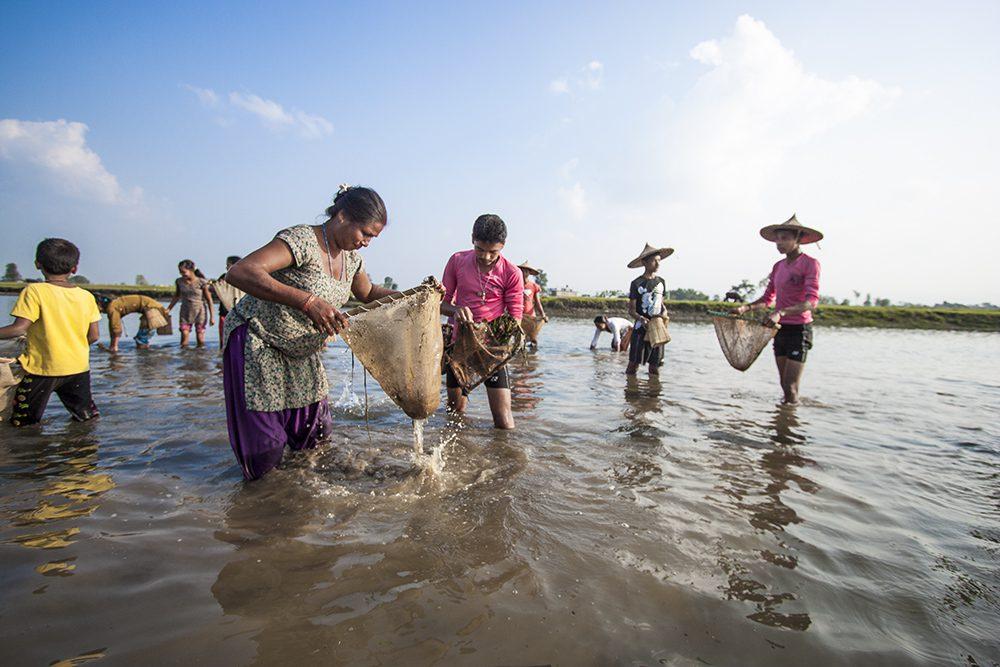
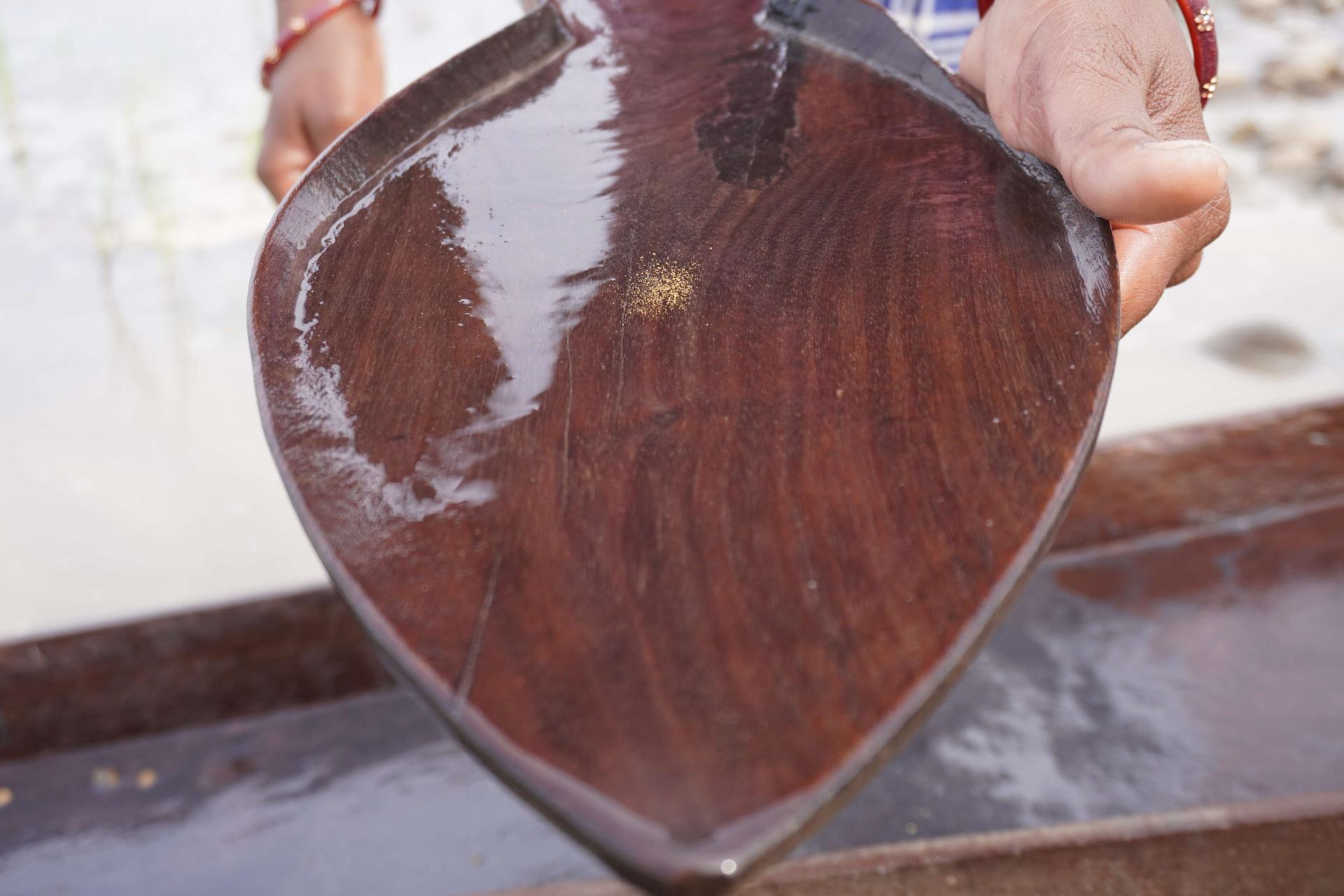
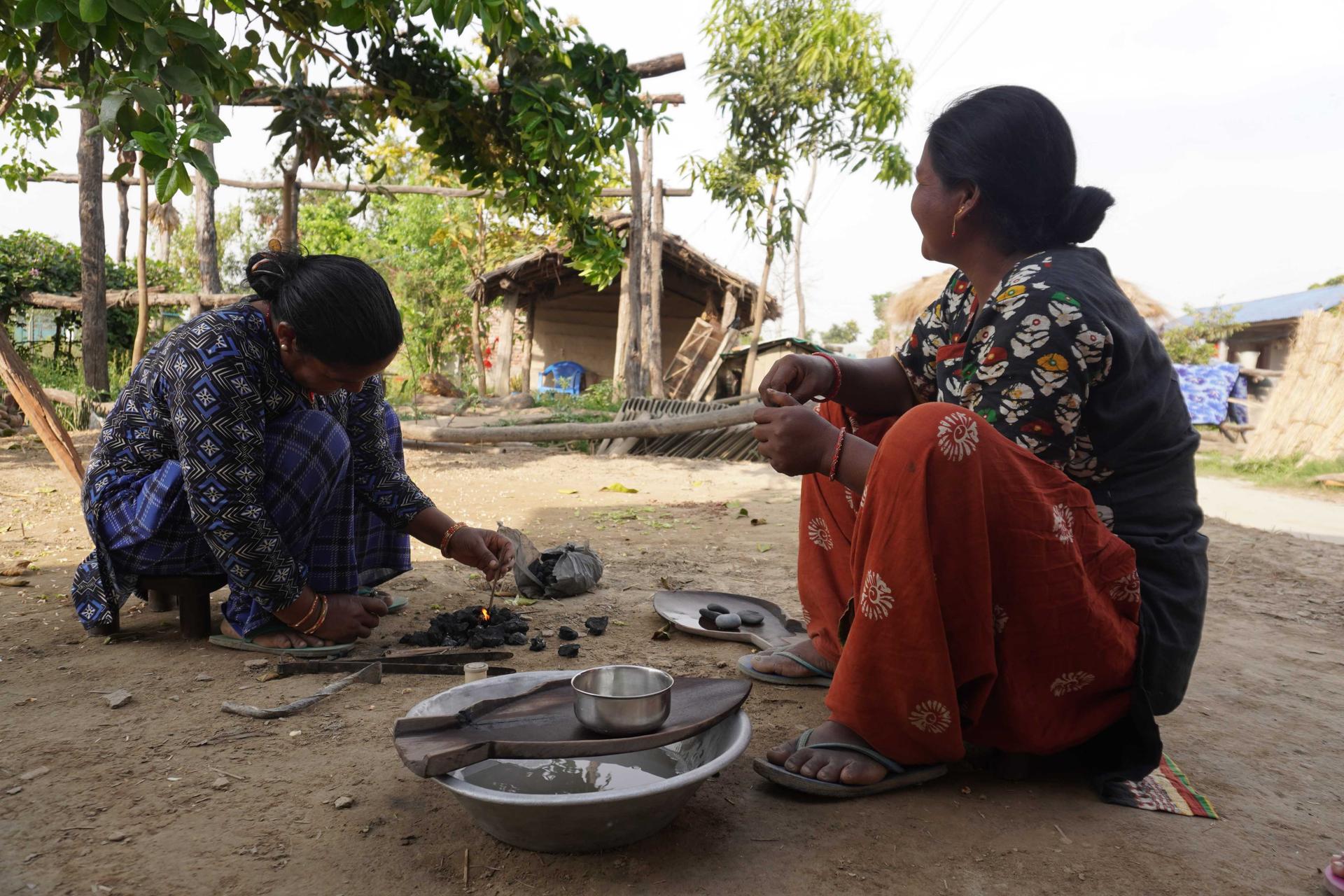
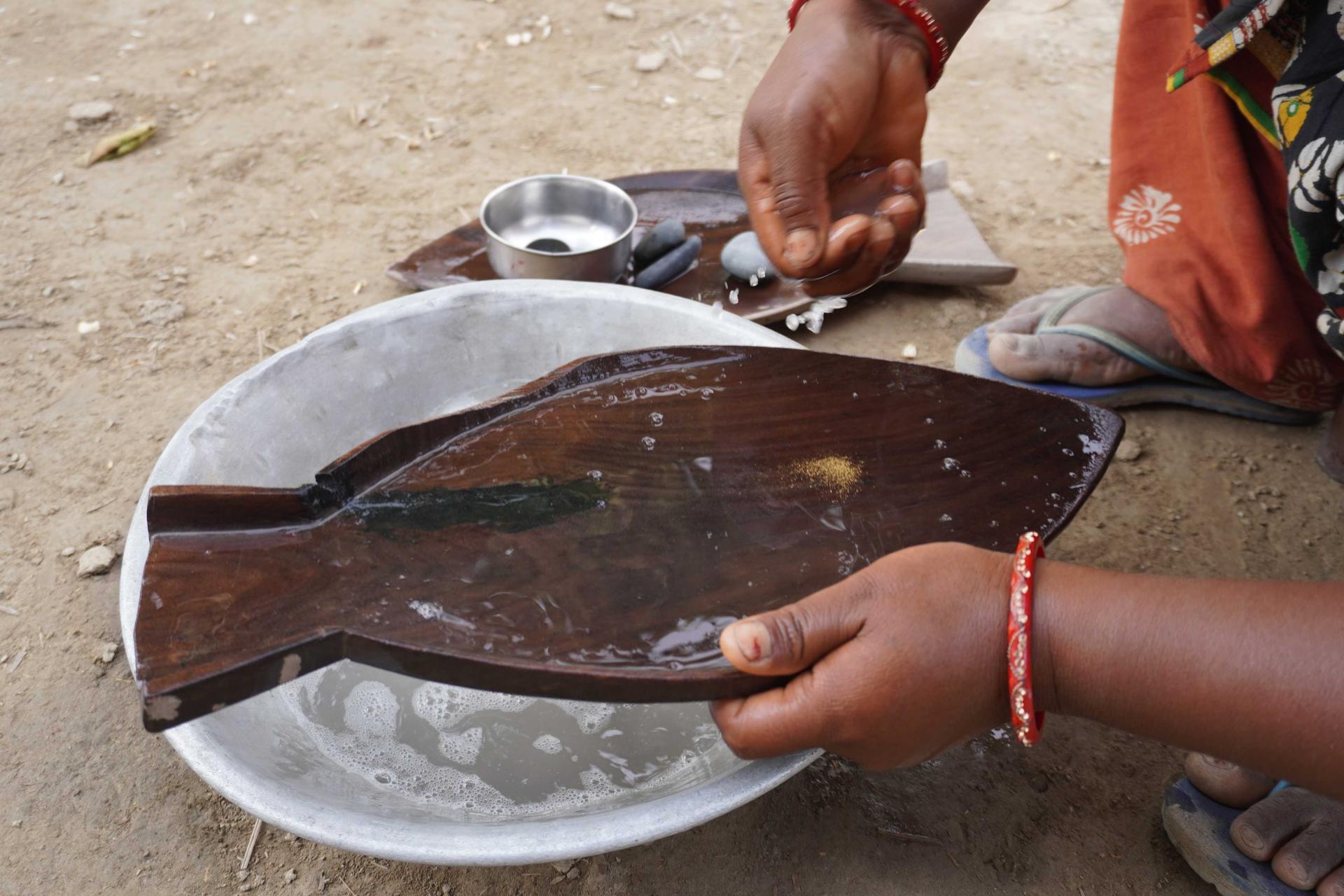
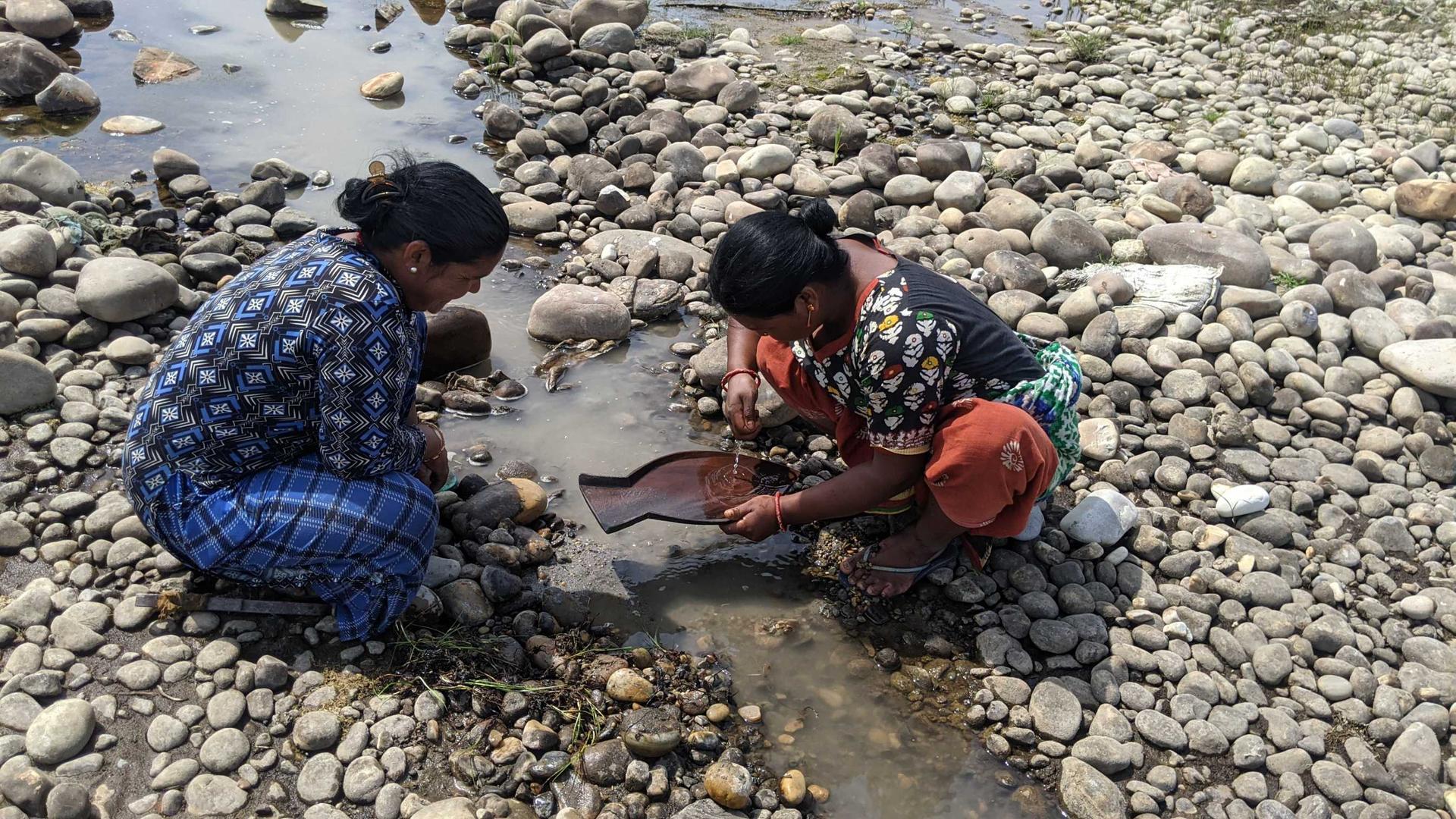
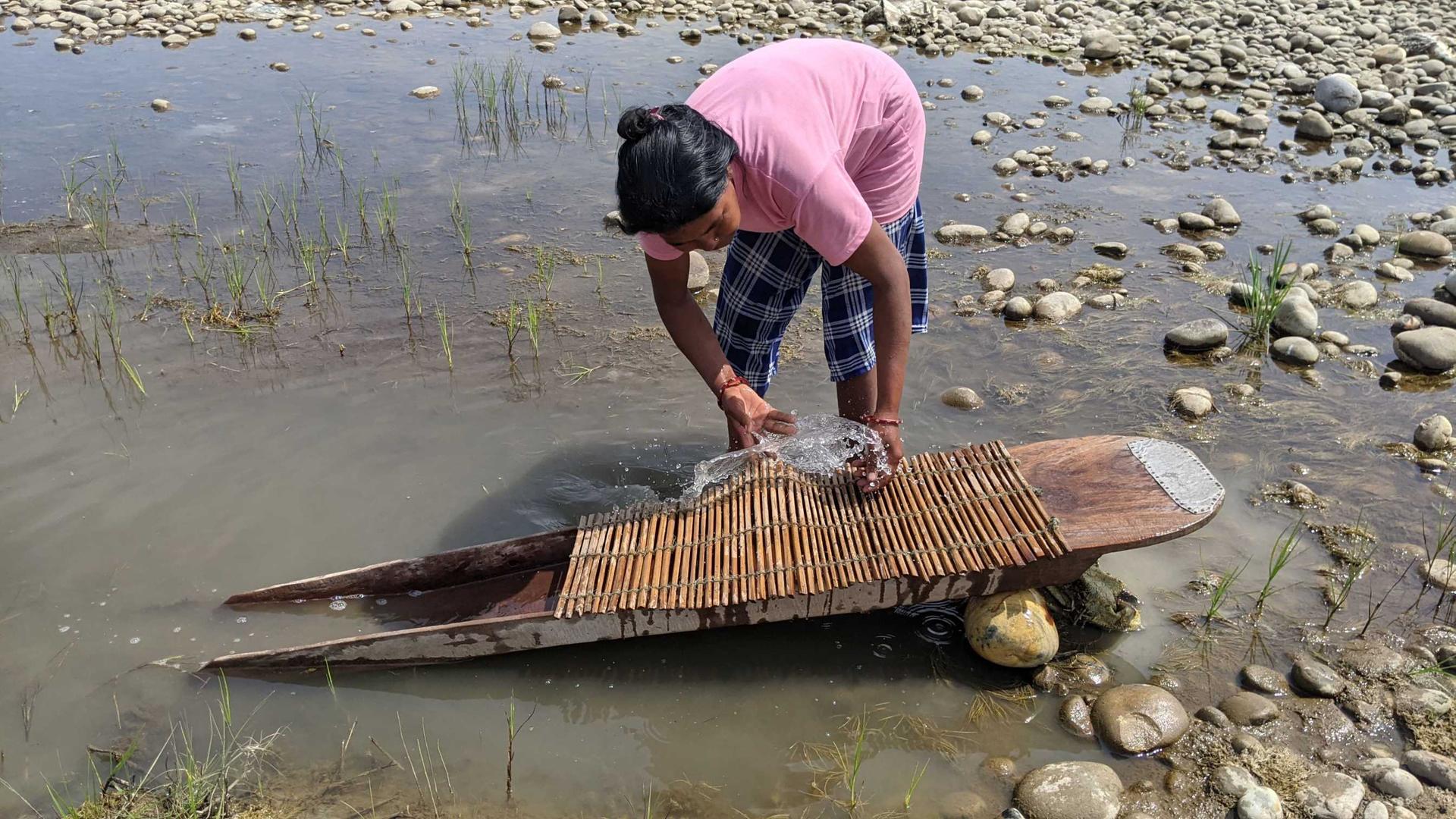
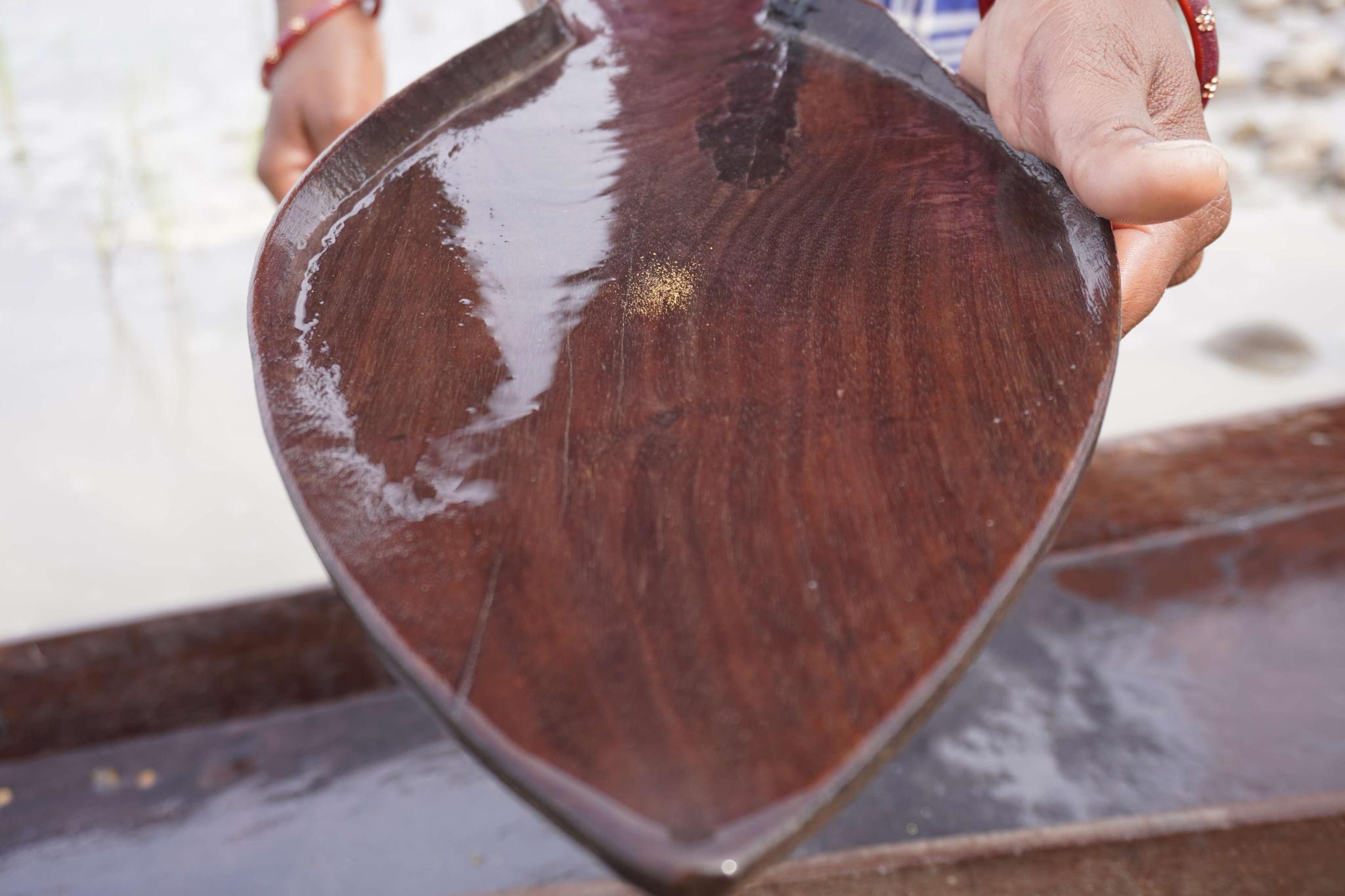
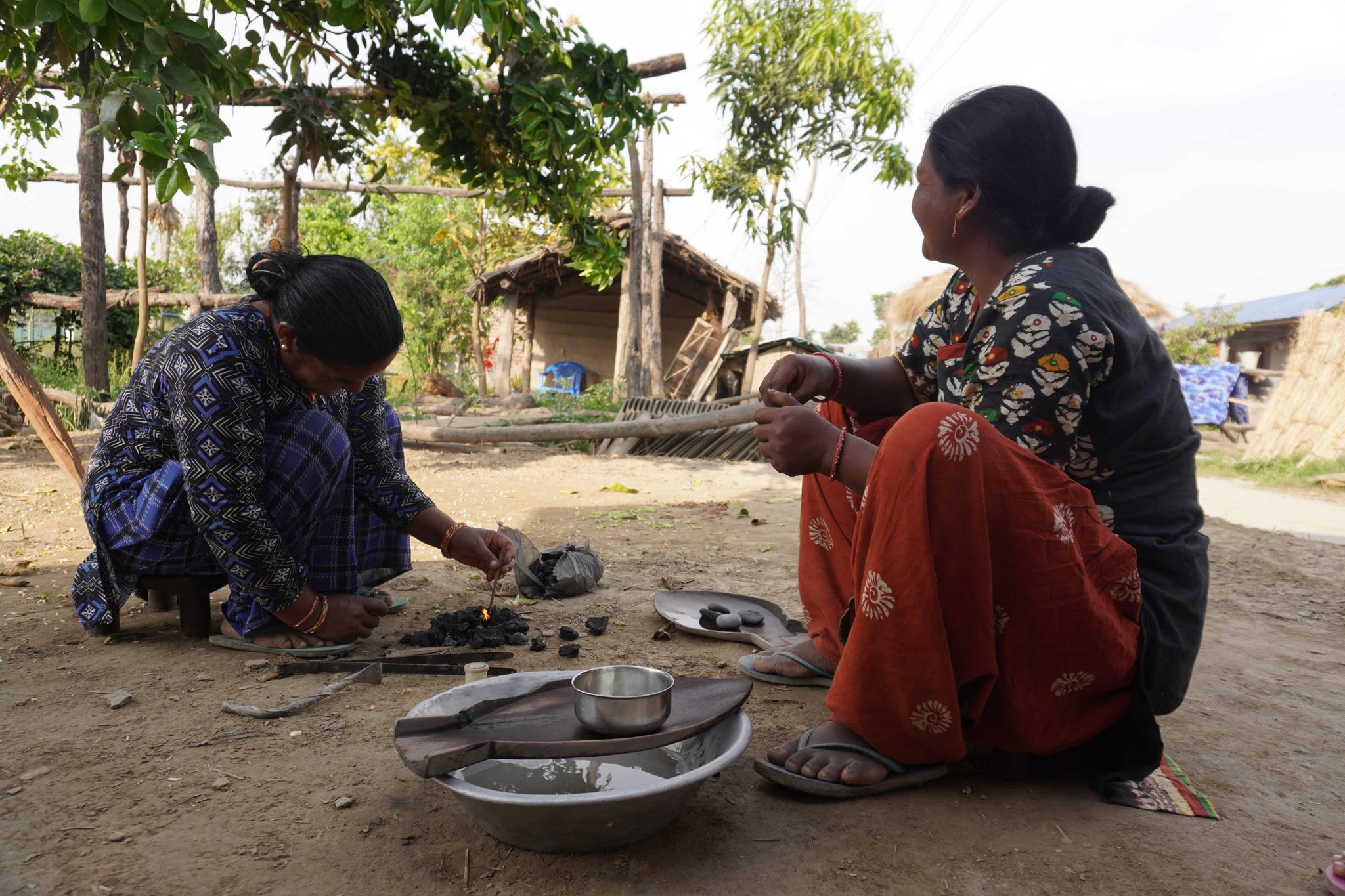
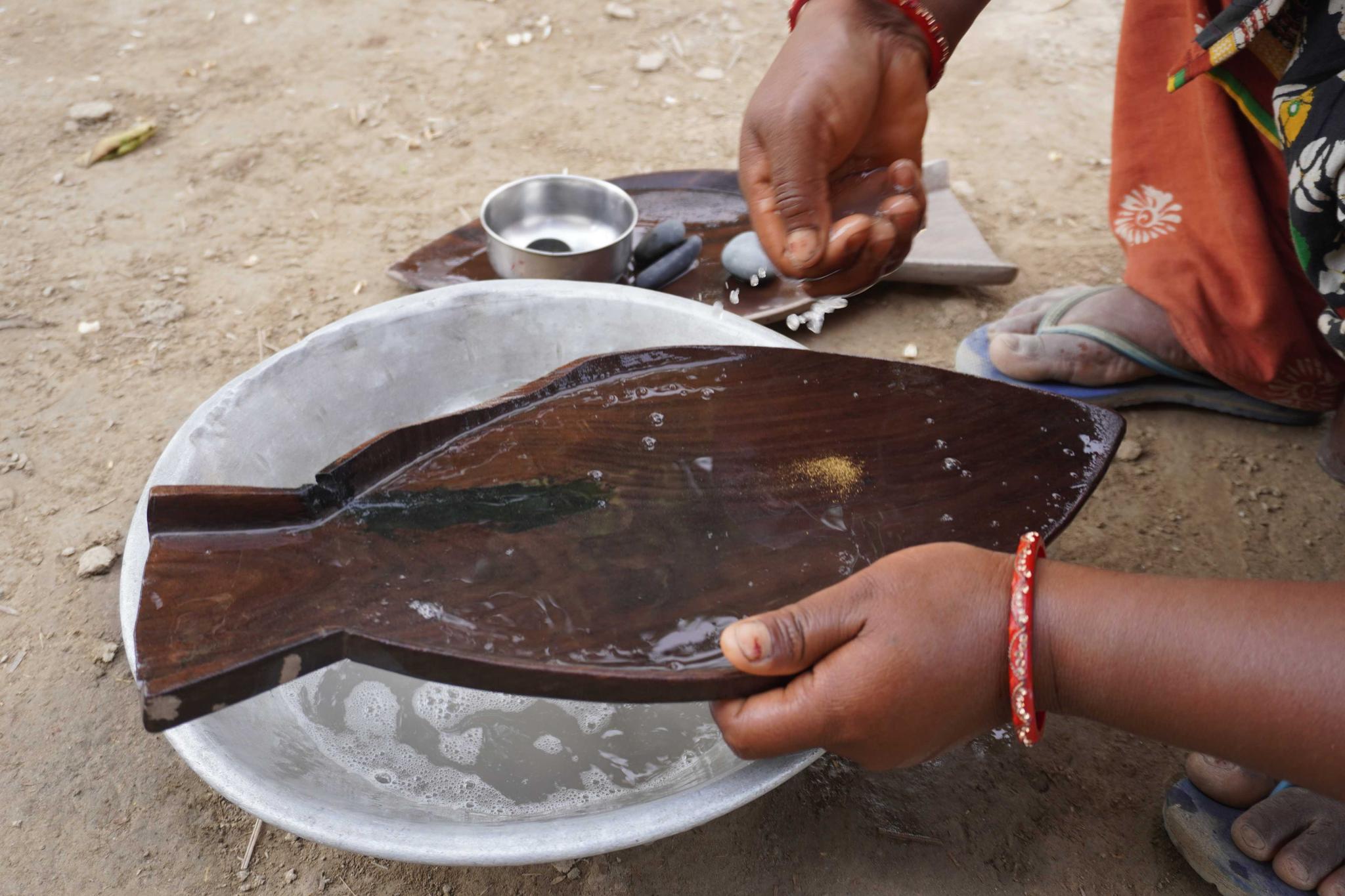
Your adventure begins at the Tharu Sonaha Community Homestay, where a local guide will introduce you to the Sonaha people and explain the intricacies of their gold panning techniques. Afterwards, you'll walk along the banks of the Karnali River, where skilled community members demonstrate how they identify gold-rich sediment and carefully sift through it using traditional methods. Throughout the journey, you'll be able to engage with the women, observe their craftsmanship, and even try to sift sand to understand their process.
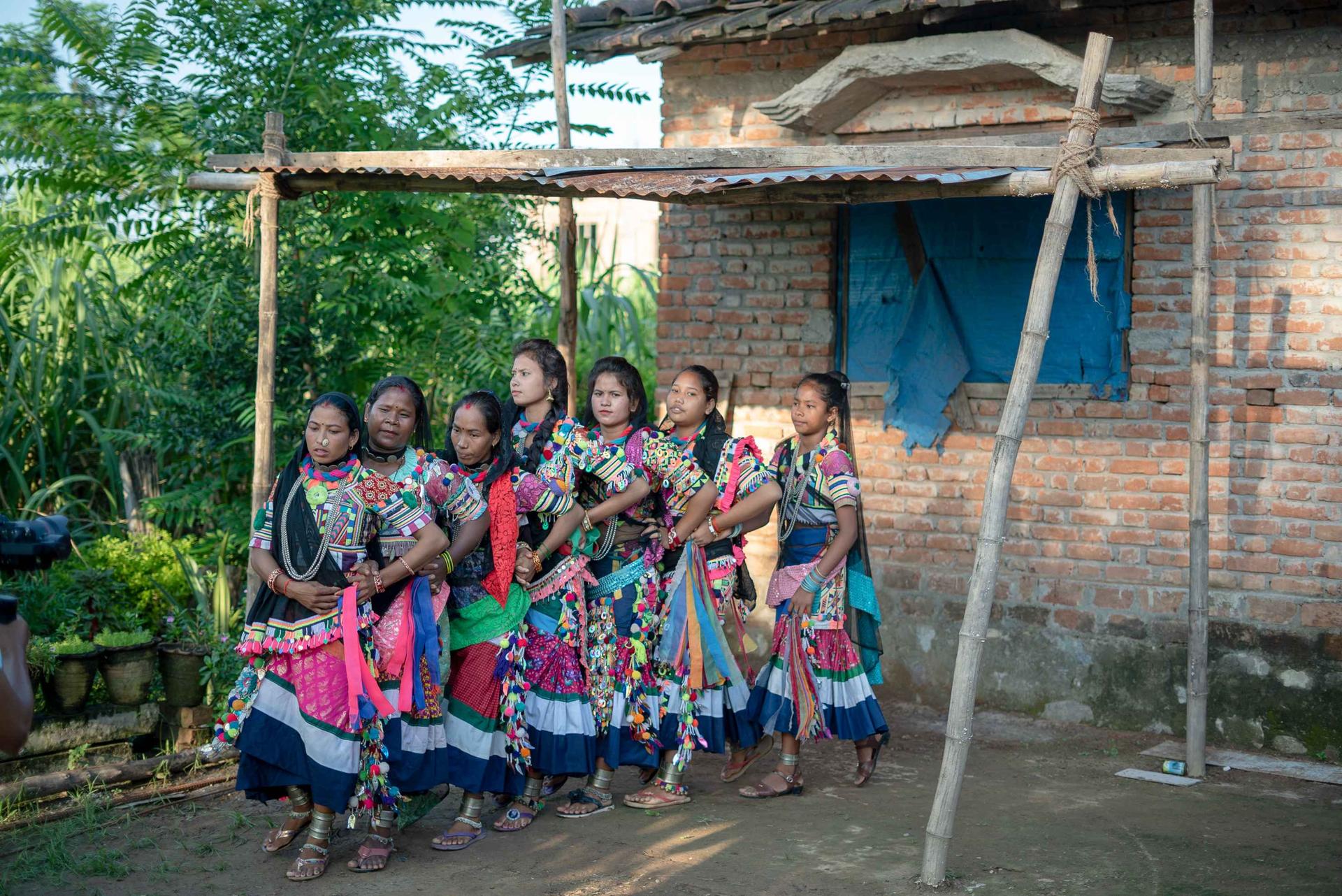
This experience is more than just an introduction to a traditional technique—it's an opportunity to connect deeply with the Sonaha culture, support the preservation of their heritage, and gain a greater appreciation for their close bond with the river that sustains them. As you explore the community and its surroundings, you'll learn how gold panning supports the local economy and the Sonaha people's challenges in maintaining their traditions.
Starting Point: Tharu Sonaha Community Homestay
Ending Point: Karnali River (location may vary)
Meeting Point: Tharu Sonaha Community Homestay
Duration: 3–4 hours
Activity Level: Easy (Observation with optional participation)
Ideal Time / Season:
Summer: Best in the morning
Winter & Autumn: Ideal for day trips
Rainy Season: Not recommended due to potential river changes
Inclusion
Local guide
Interaction with women gold panners from the Tharu Sonaha Community Homestay
Exclusion
Personal expenses
Transportation
Meals
Anything not mentioned in the inclusion section
What to Bring
Hat or cap for sun protection
Sunscreen
Water bottle
Group Pricing
47 USD for groups of up to 5
94 USD for groups of 6-10 pax
Language Proficiency & Guide Availability
Our local guides are fluent in English, ensuring smooth communication and a deeper understanding of the Sonaha culture. Guides will be available for every group, with one guide for every 8 participants.
What to Expect
This immersive experience offers a rare opportunity to witness a traditional and endangered cultural practice in a beautiful natural setting. Expect to spend time with the community's women, learn from their wisdom, and contribute to preserving this valuable cultural heritage. The experience is perfect for those looking to explore a unique aspect of Nepali indigenous life while connecting with the environment.
Additional Information
What to wear: Comfortable clothing for walking, especially around the riverbanks.
Important Notes: This activity involves walking along riverbanks and interacting with local traditions, so be prepared for an educational and hands-on experience.
Additional Costs
Any personal expenses or optional gratuities are not included in the listed price.