Experience Overview
Patan is known for its grand temples, ancient courtyards, and remarkable Newari craftsmanship but some of its most authentic stories are found in the small eateries, street-side stalls, and neighbourhood lanes beyond the main monuments. The Patan Food Tour invites you to discover the city through the foods loved by locals, taking you on a walking journey through its historic streets, hidden alleys, courtyards, and everyday neighbourhoods.
The experience was created with the help of the CHN team, a group of food lovers who came together to explore Patan by tasting some of its most beloved local snacks. What began as a simple food walk sparked an idea: why not create an experience that allows travellers to discover Patan through the foods and places that locals themselves enjoy?
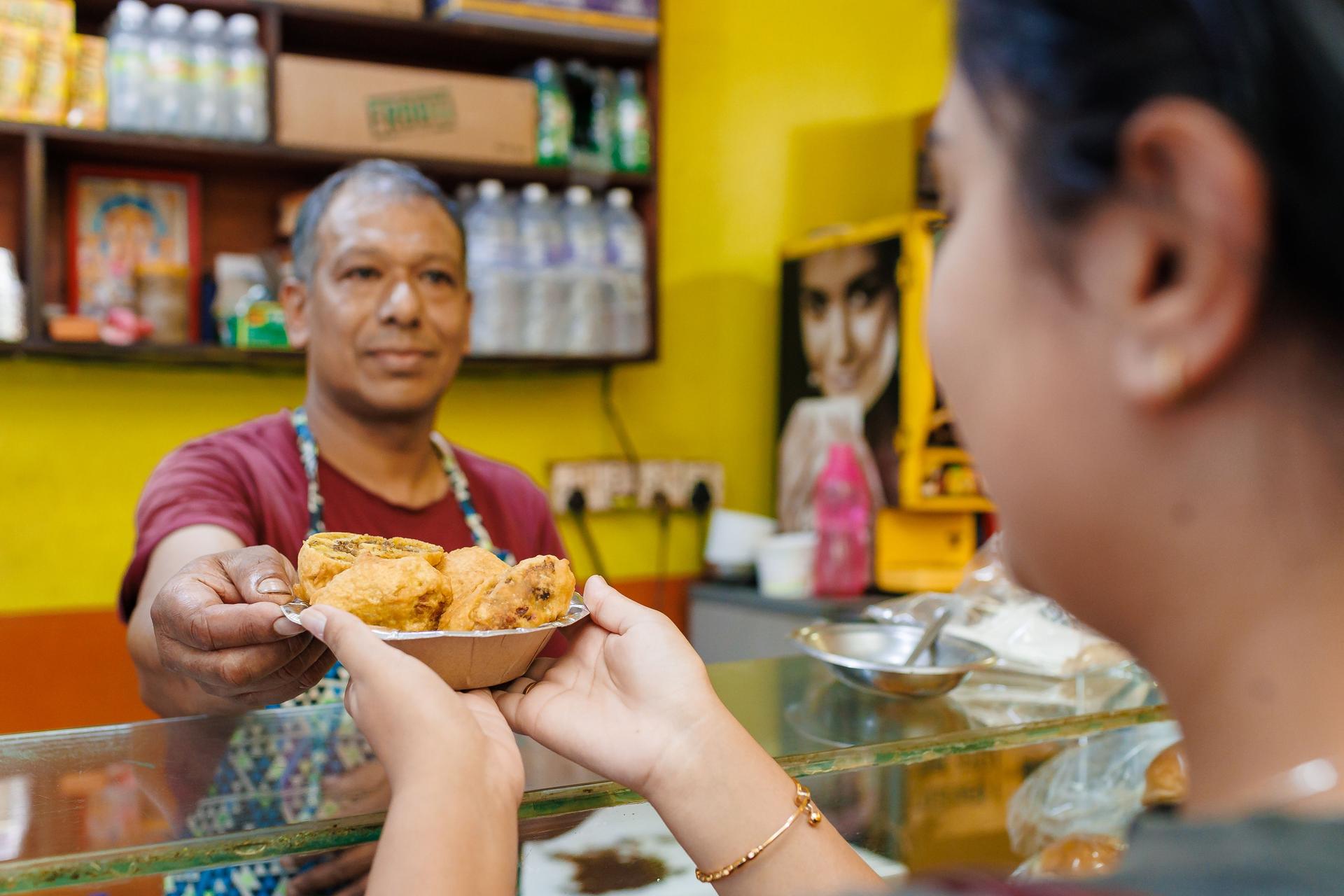
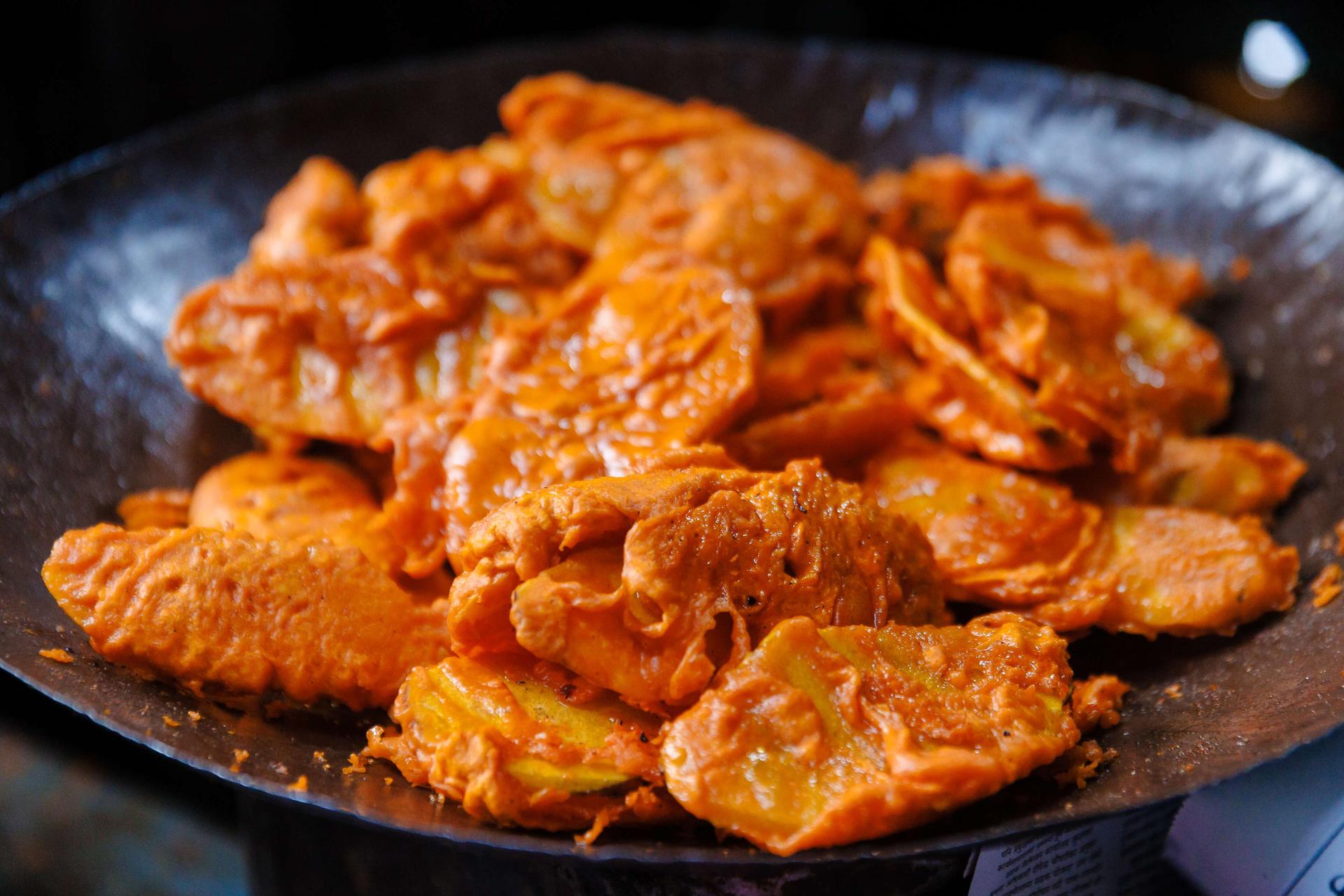
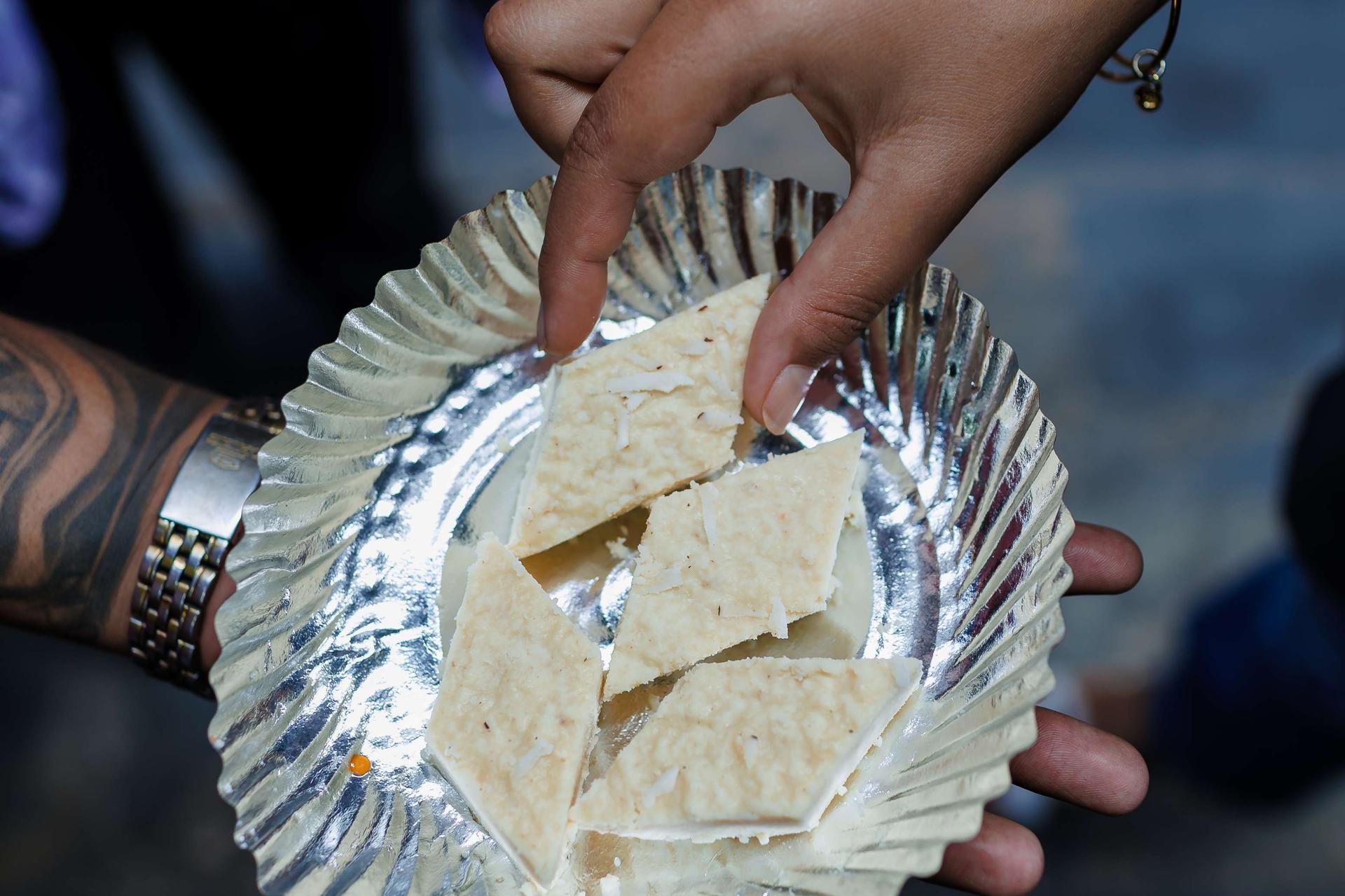
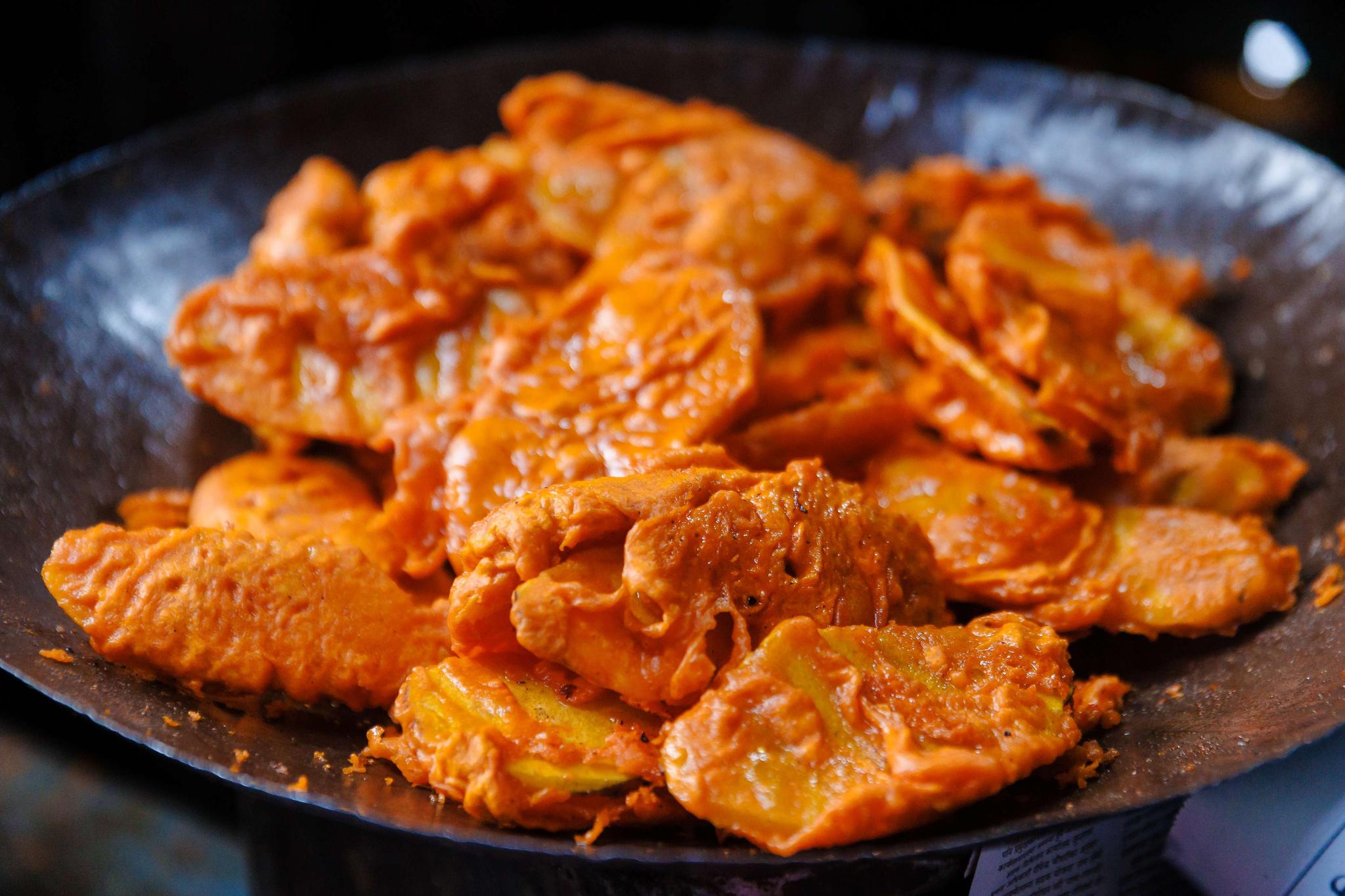
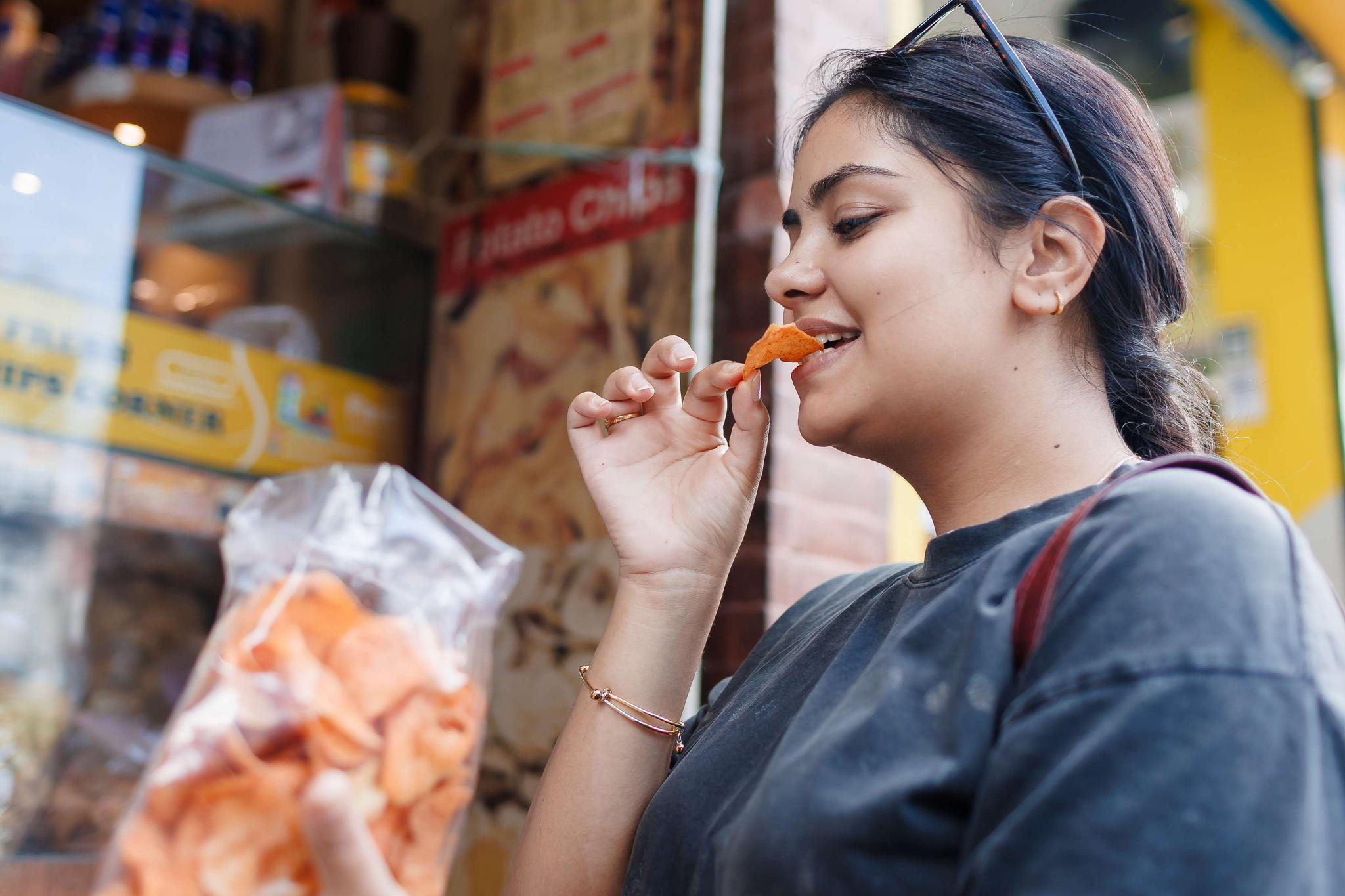
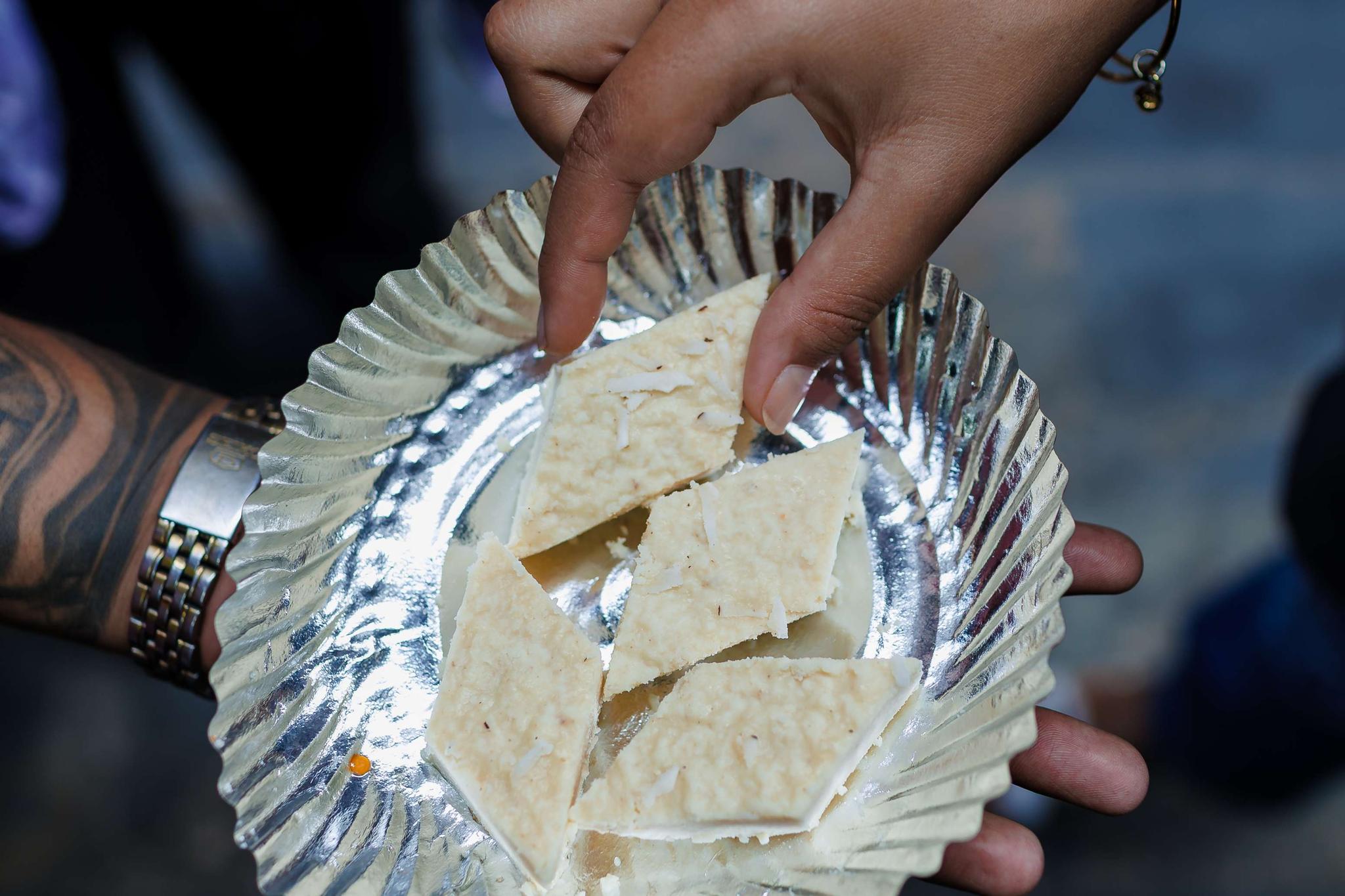
Rather than visiting large restaurants, the tour takes you to small, long-loved local eateries, some of which have been serving their neighbourhoods for decades. Along the way, taste local favourites such as alu chop, bara, chwelaa, traditional sweets, and a Newari platter, while discovering heritage sites and lesser-visited corners of the old city. More than a street food tour, this is an opportunity to experience Patan as a living city, one street, one story, and one local bite at a time.
Description Box
Experience Type: Food & Cultural Walking Tour
Meeting Point: Patan Dhoka
Group: Max 15 pax
Start Time: Day (2 - 4 PM)
Age: 10 – 70 years
Duration: 3 – 3.5 hours
Difficulty: Easy
Language: English
Ideal Season: All year round
Meet the Local Food Makers
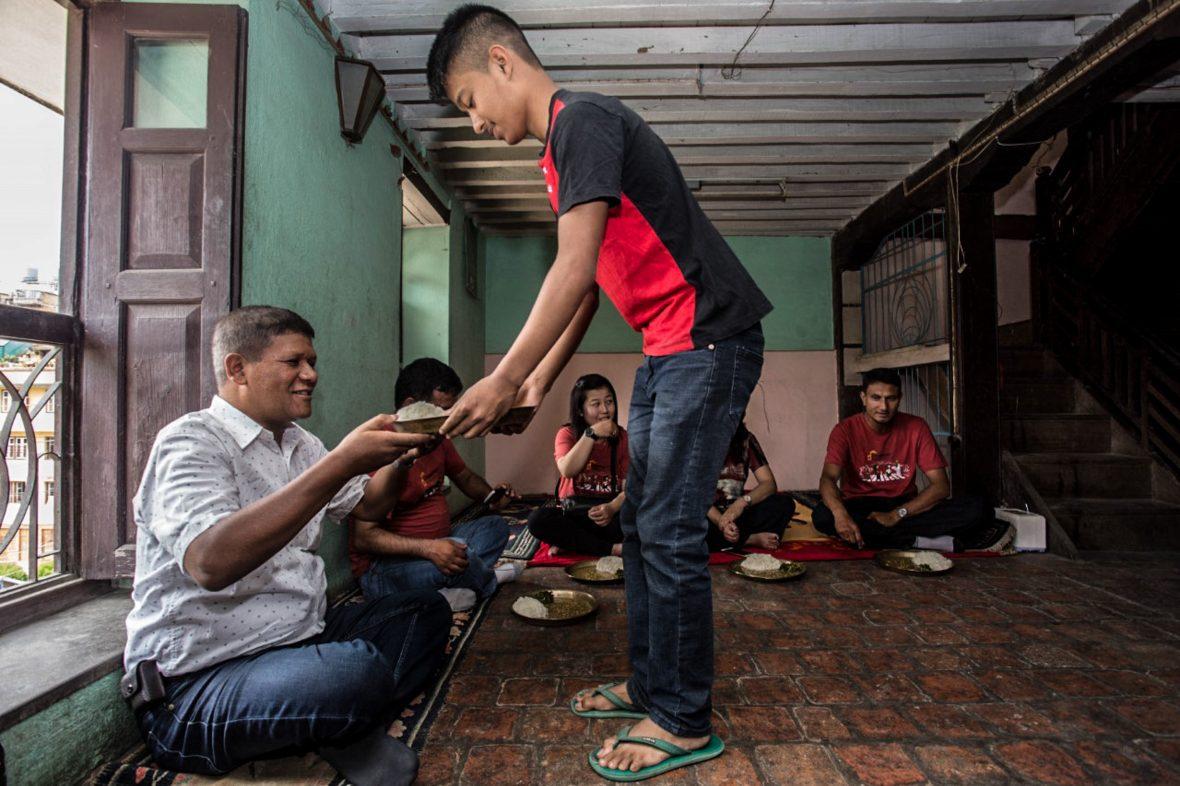
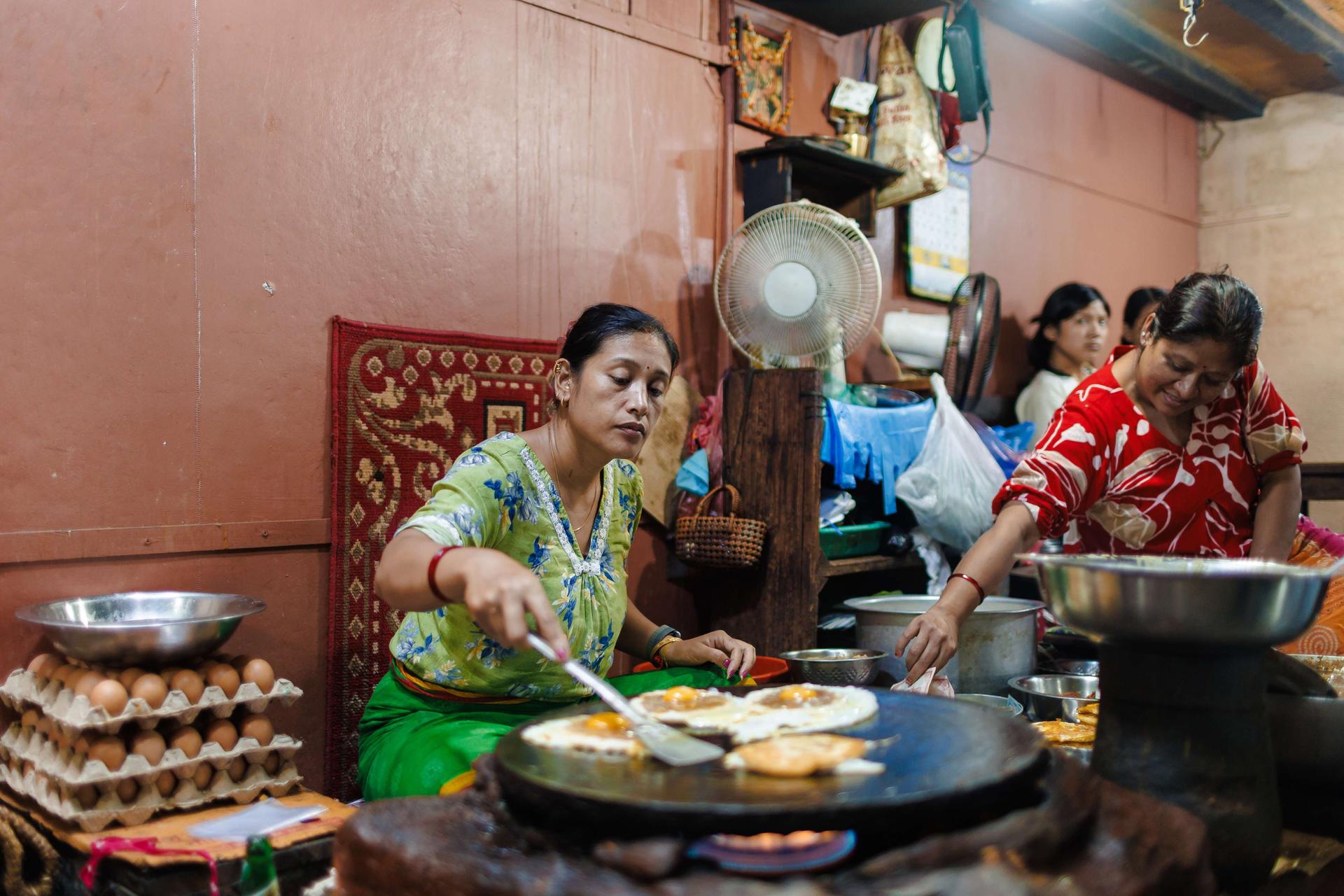
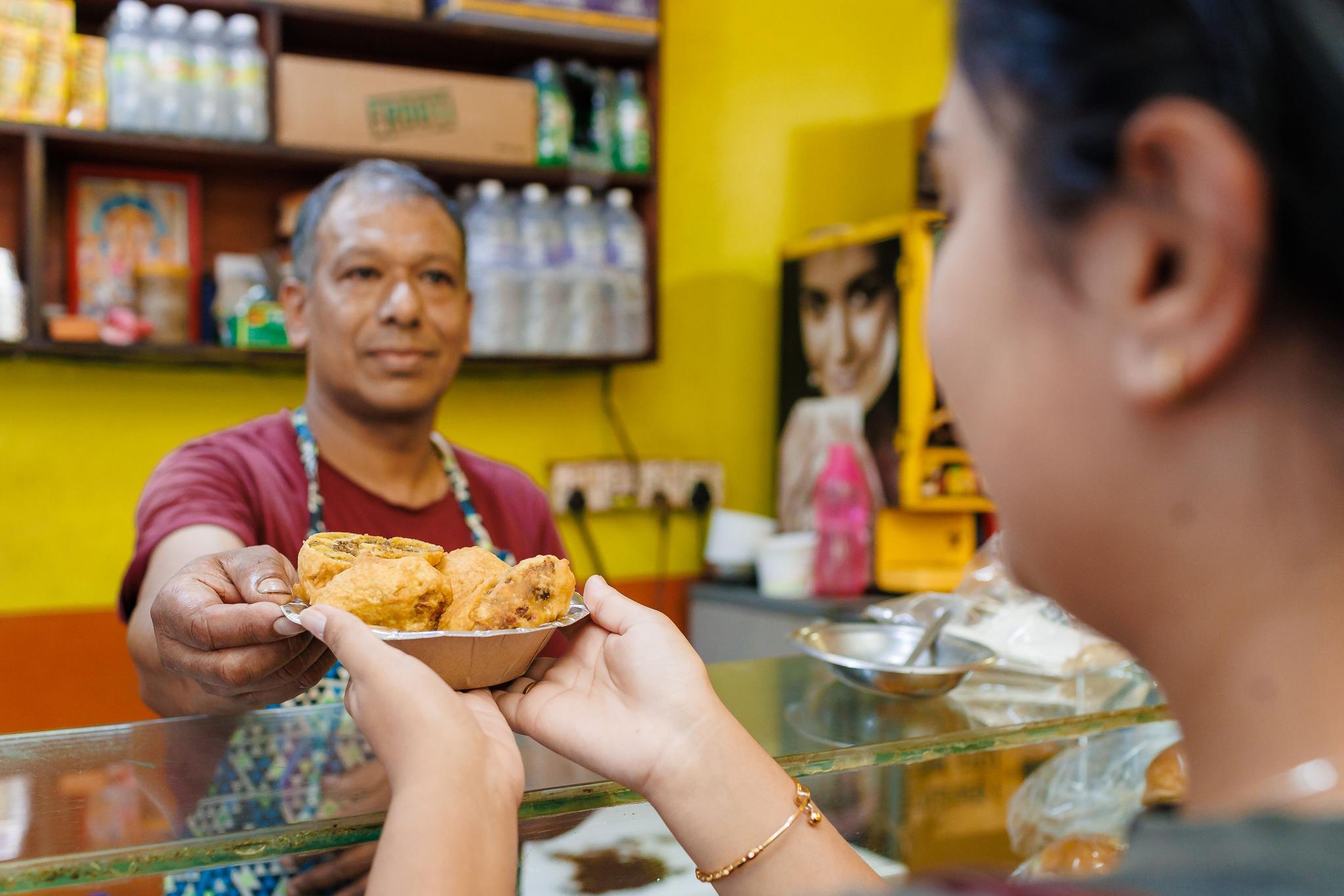
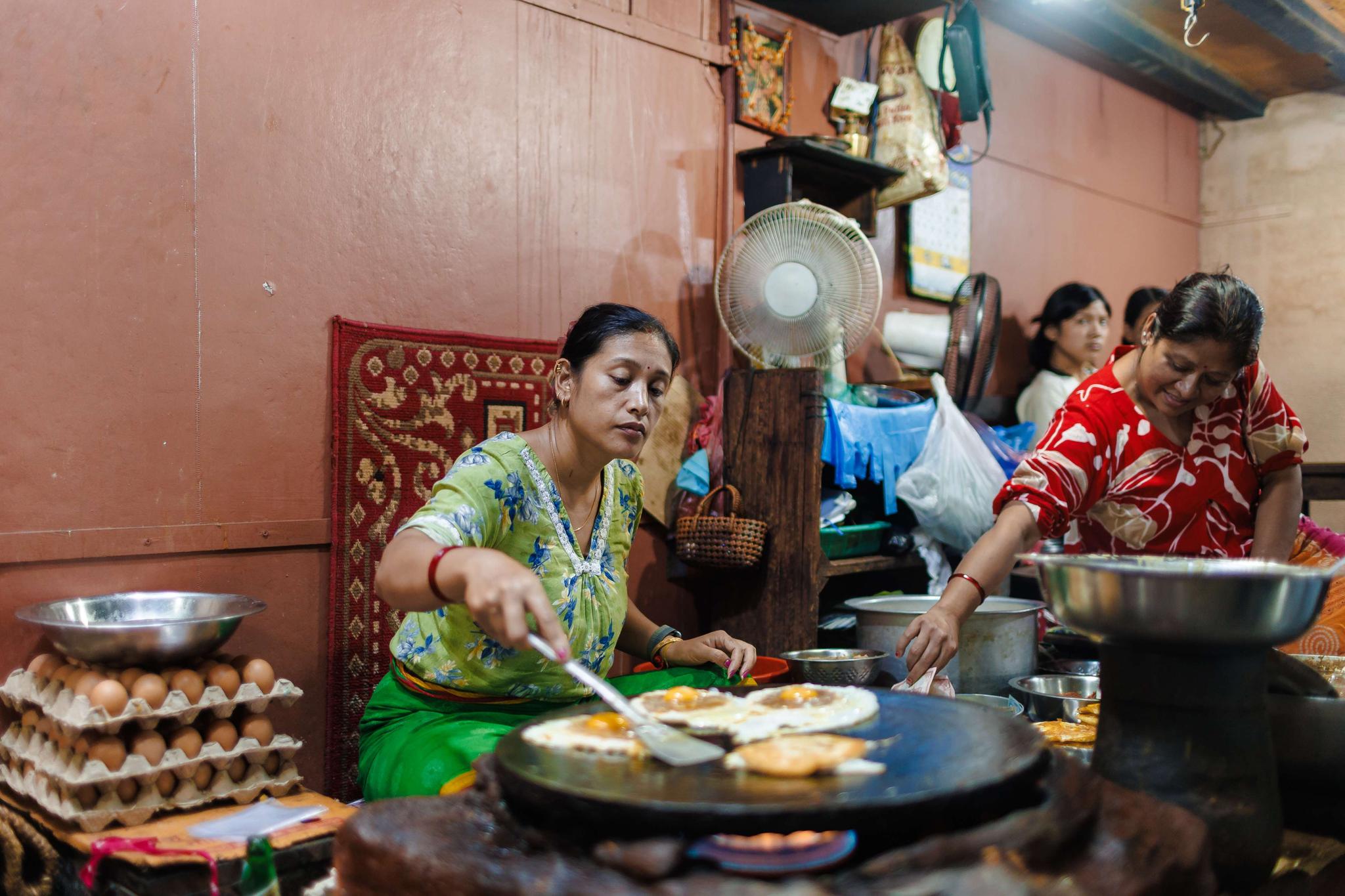
This experience is shaped by the small local eateries and food makers of Patan—many of whom have been serving their neighbourhoods for years, and in some cases, generations. These are not large restaurants designed for tourists. They are modest, everyday food spots where local residents stop for a snack, tea, or meal.
From the people preparing crispy alu chop and bara to those making traditional Newari dishes and local sweets, each stop introduces you to the people who keep Patan's food traditions alive through their everyday work.
The tour also reflects the curiosity of the CHN team, whose own love for food led them to explore these local food spots and bring their discoveries together into an experience for travellers.
What to Expect
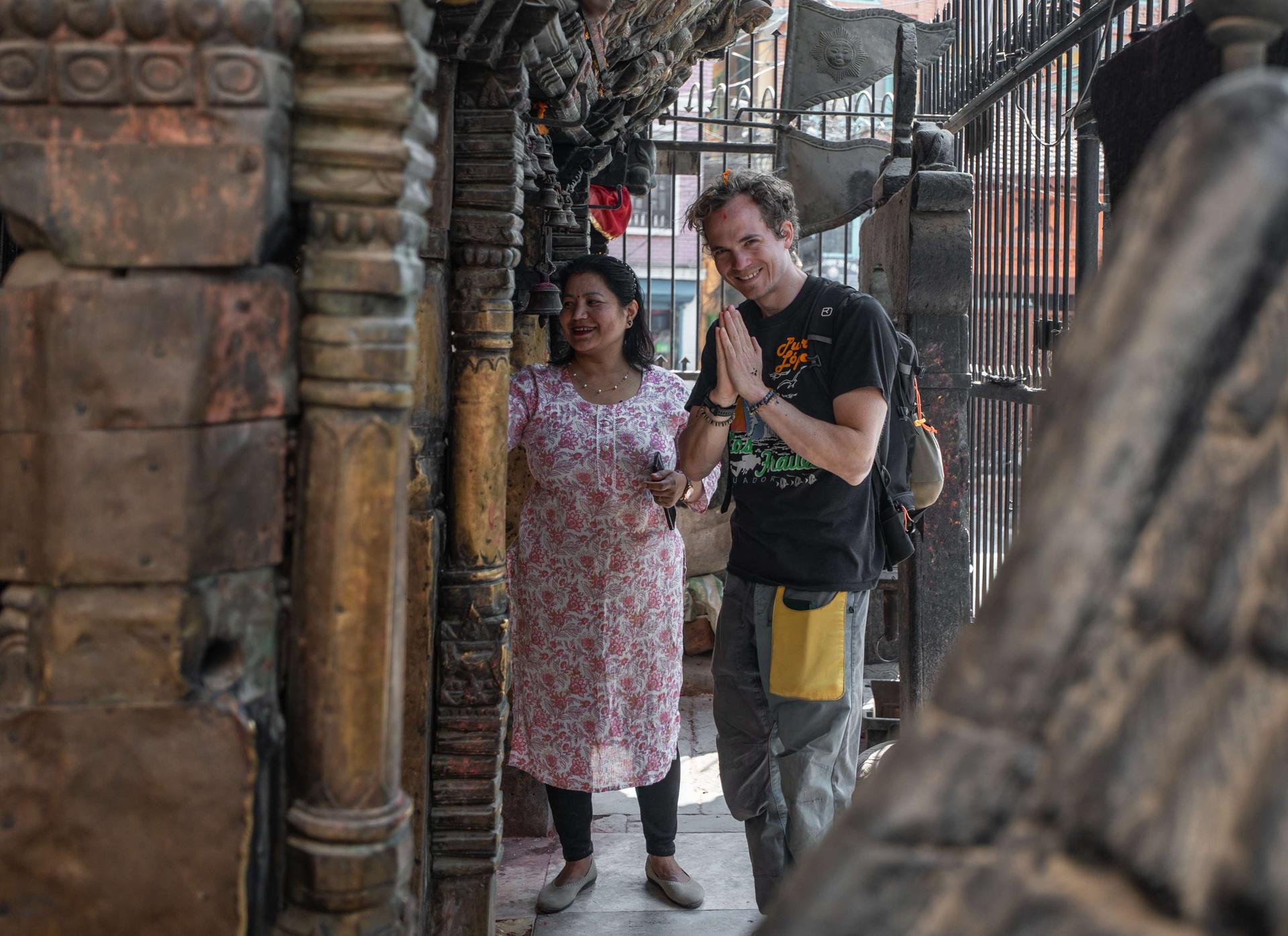
Your journey begins at Patan Dhoka, where you’ll meet your guide and start exploring the old city on foot. Rather than following a conventional sightseeing route, you’ll move through narrow alleys, historic courtyards, busy neighbourhoods, and lesser-visited streets, stopping along the way to taste foods that are part of Patan’s everyday life.
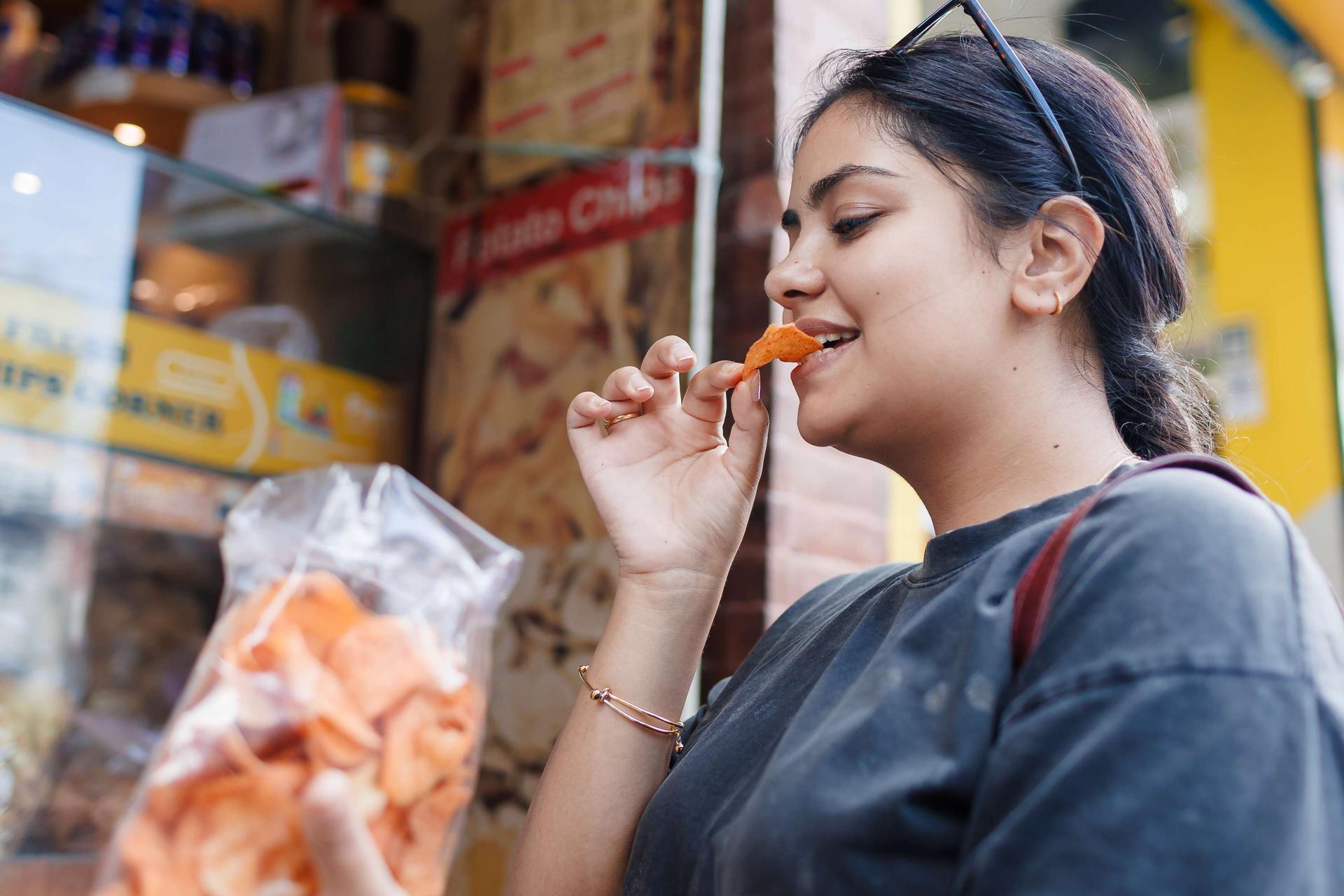
Expect a variety of flavours and textures from crispy local chips and alu chop to savoury bara and chwelaa, traditional sweets, refreshing juice, and a final Newari meal. Between tastings, discover places such as Naagbahal, Bagalamukhi Temple, Tichu Galli, and Pimbahal.
The experience is intentionally informal. Some food stops are small neighbourhood businesses rather than established restaurants, so opening days, operating hours, and available dishes may vary. If a particular stop is closed or a dish is unavailable, your guide will make an appropriate adjustment while keeping the overall food journey intact.
Come ready to walk, taste, explore, and discover a different side of Patan, one that extends beyond its famous monuments.
Know More About the Experience
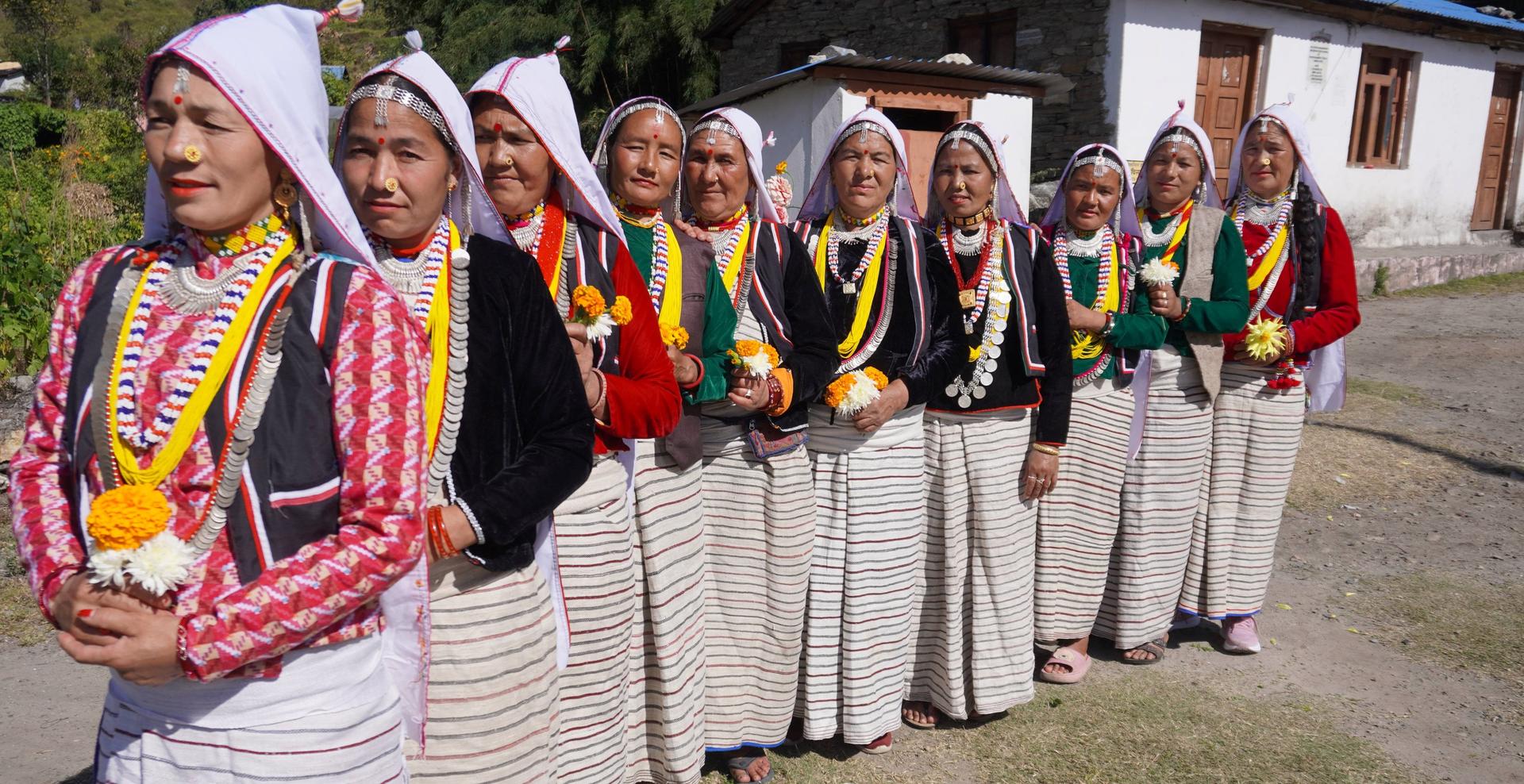
Patan’s food culture is deeply connected to its Newari heritage and everyday community life. Food is an important part of festivals, rituals, family gatherings, and social occasions, with many dishes carrying traditions that have been passed down through generations.
Dishes such as bara, chwelaa, alu chop, and other local snacks are not simply foods to be tasted; they are part of the city's living culinary landscape. Small eateries and neighbourhood food makers continue to prepare these dishes in ways that reflect local tastes and traditions.
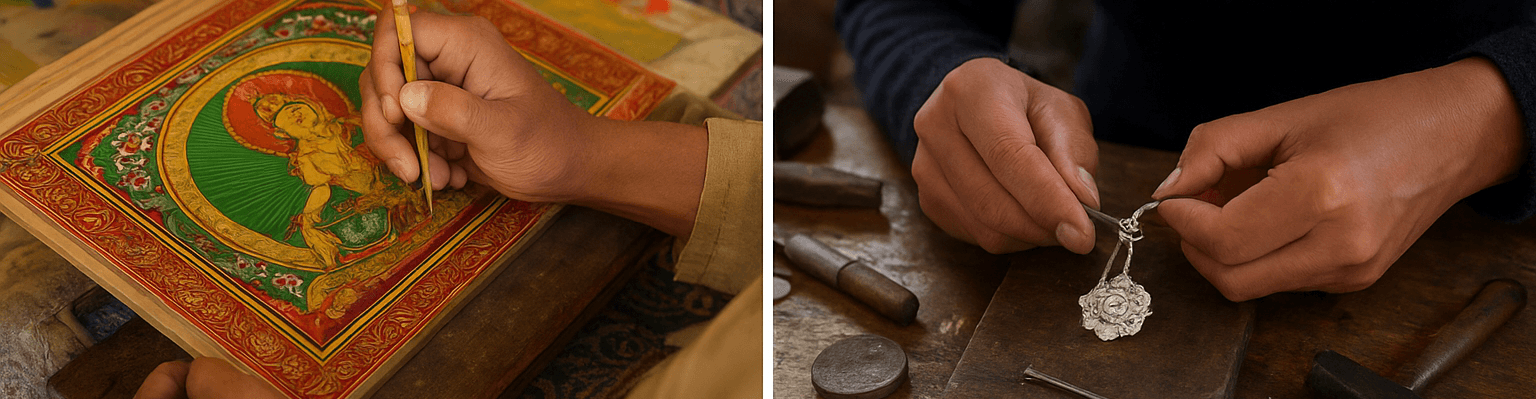
By exploring Patan through its food, travellers get to experience a side of the city that is often missed on conventional sightseeing tours, the everyday Patan of local people, neighbourhood businesses, food makers, artisans, and families.
What’s Included | Excluded
Included
English-speaking local guide
Minimum 7 food tastings at selected local eateries
Traditional Newari snacks and dishes
Refreshment stop
Newari meal at the end of the tour
Short cultural and heritage walk through Patan
Excluded
Entrance and monument fees
Tips and gratuities
Alcoholic beverages
Additional food or drinks beyond the planned tastings
Any other services not specified as included