Living the Sherpa Way in Khunde
Just an hour’s walk from Namche Bazaar, this small Sherpa settlement offers more than a stop along the trail; it offers a way of life. The idea behind Khunde Community Homestay was simple yet powerful: to invite travelers into the everyday world of the Sherpa people. Rather than passing through, visitors stay with local families, sharing meals, stories, and traditions. What began as a way to connect trekkers with authentic Sherpa culture has grown into a community of 19 households, offering around 80 rooms. Each home opens a window into a culture deeply rooted in resilience, spirituality, and harmony with nature.
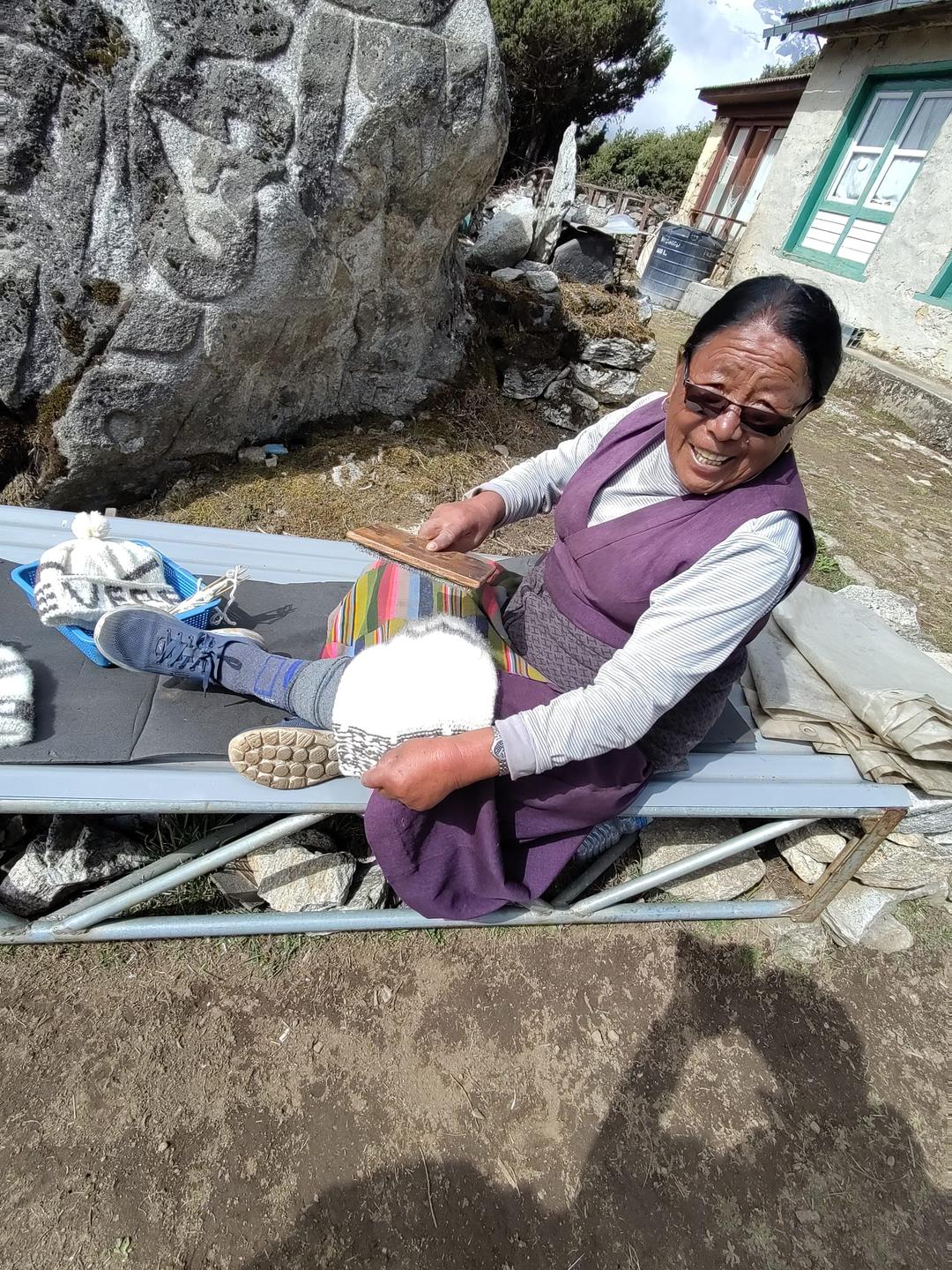
But Khunde’s story is also one of quiet perseverance. Although the Everest region welcomes thousands of trekkers every year, villages like Khunde often remain outside the spotlight. Many travelers pass nearby without realizing the rich cultural life that exists beyond the main trekking routes. For the people of Khunde, the homestay is not only about tourism; it is about keeping their stories, traditions, and identity alive in a rapidly changing world.
The community does not seek mass tourism. Instead, they hope to welcome travelers who are curious, respectful, and willing to slow down, and travelers who want to understand the people behind the mountains.
Where is Khunde?
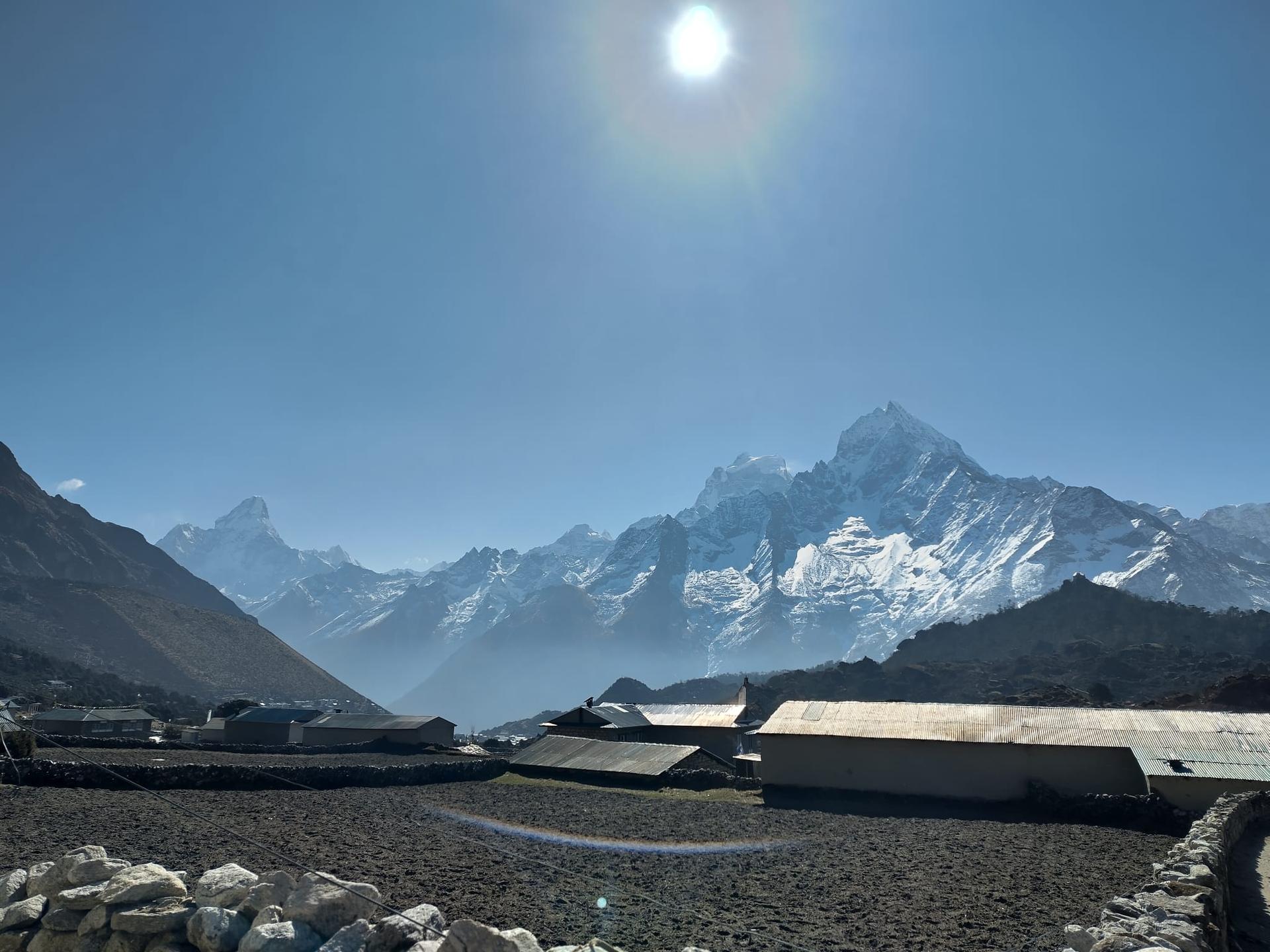
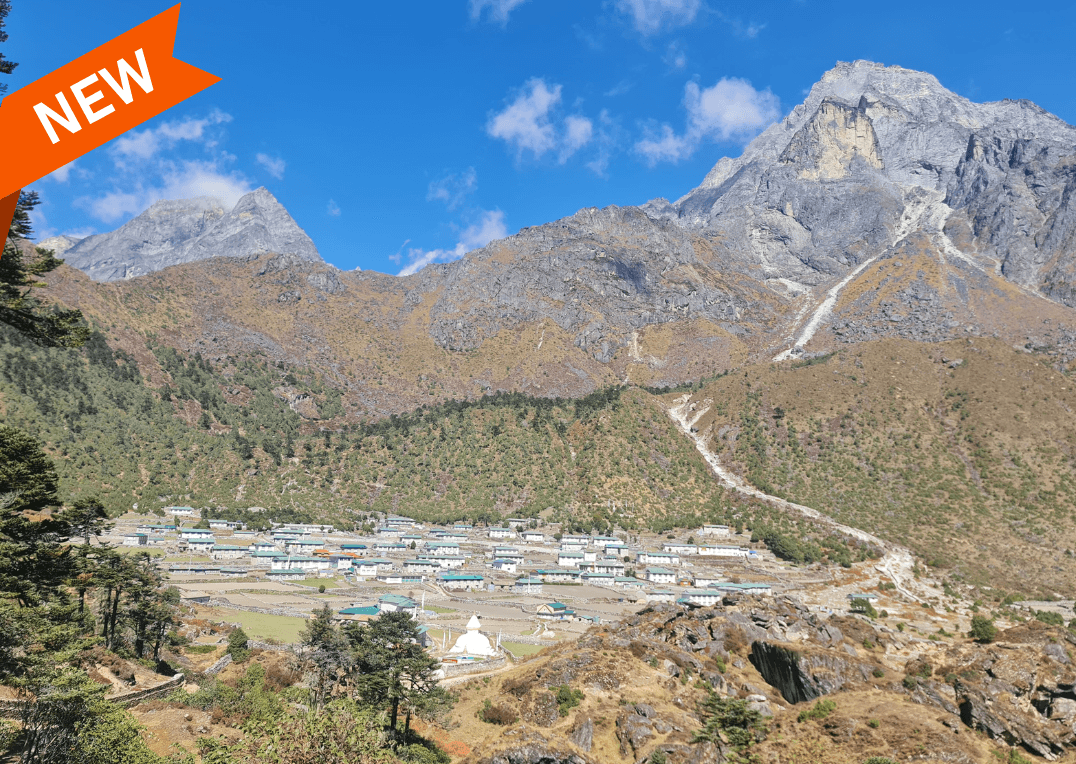
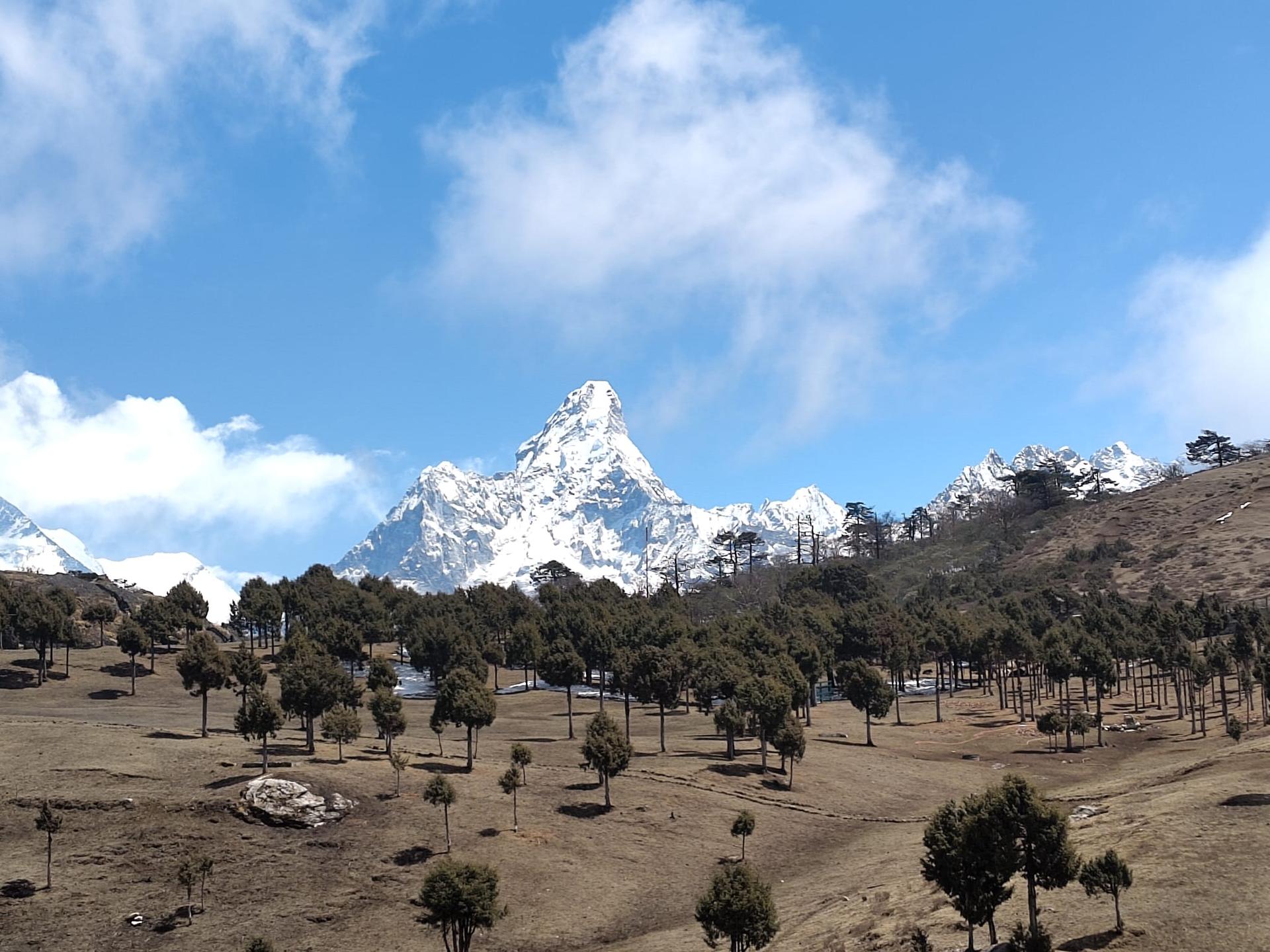
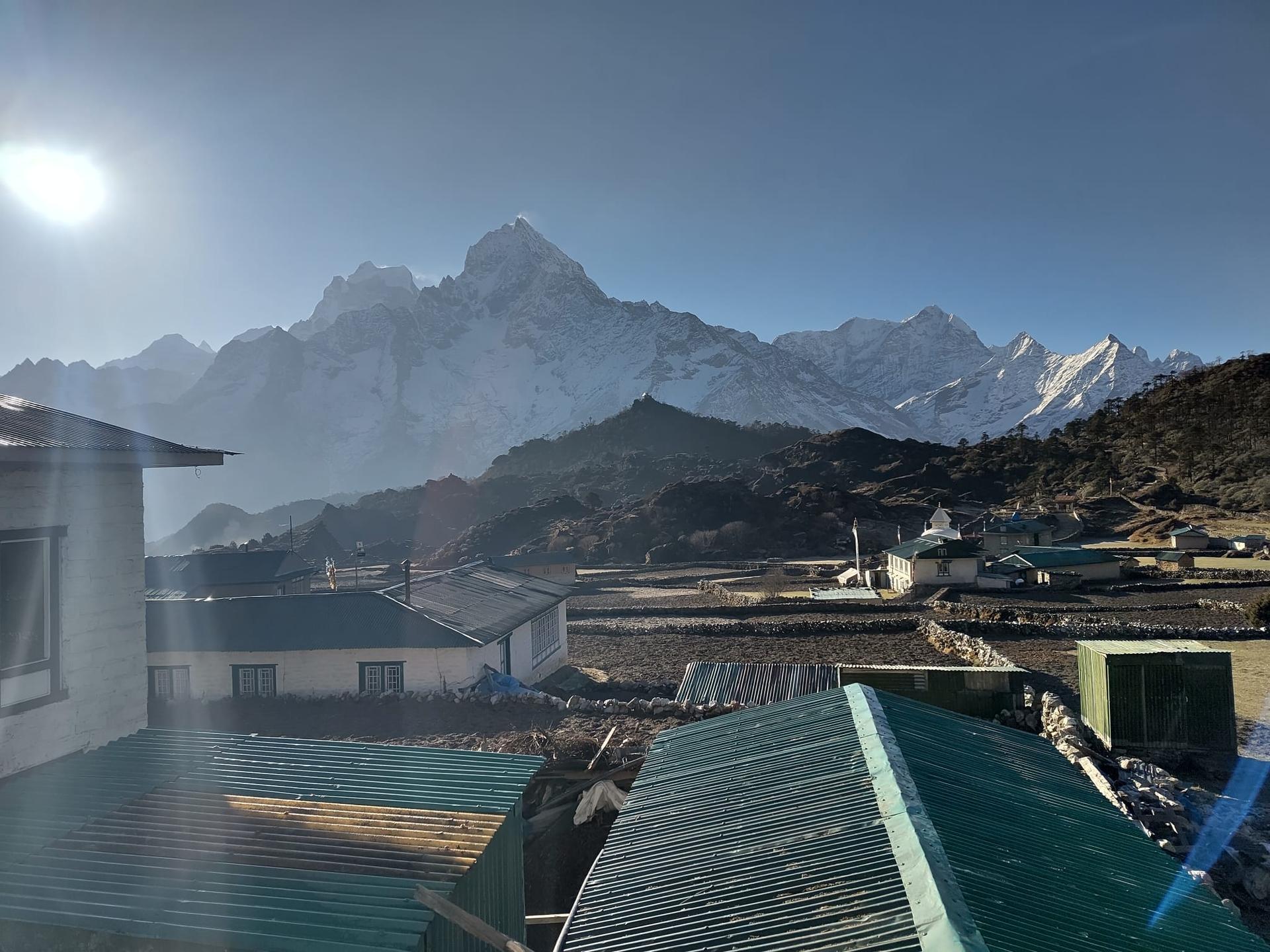
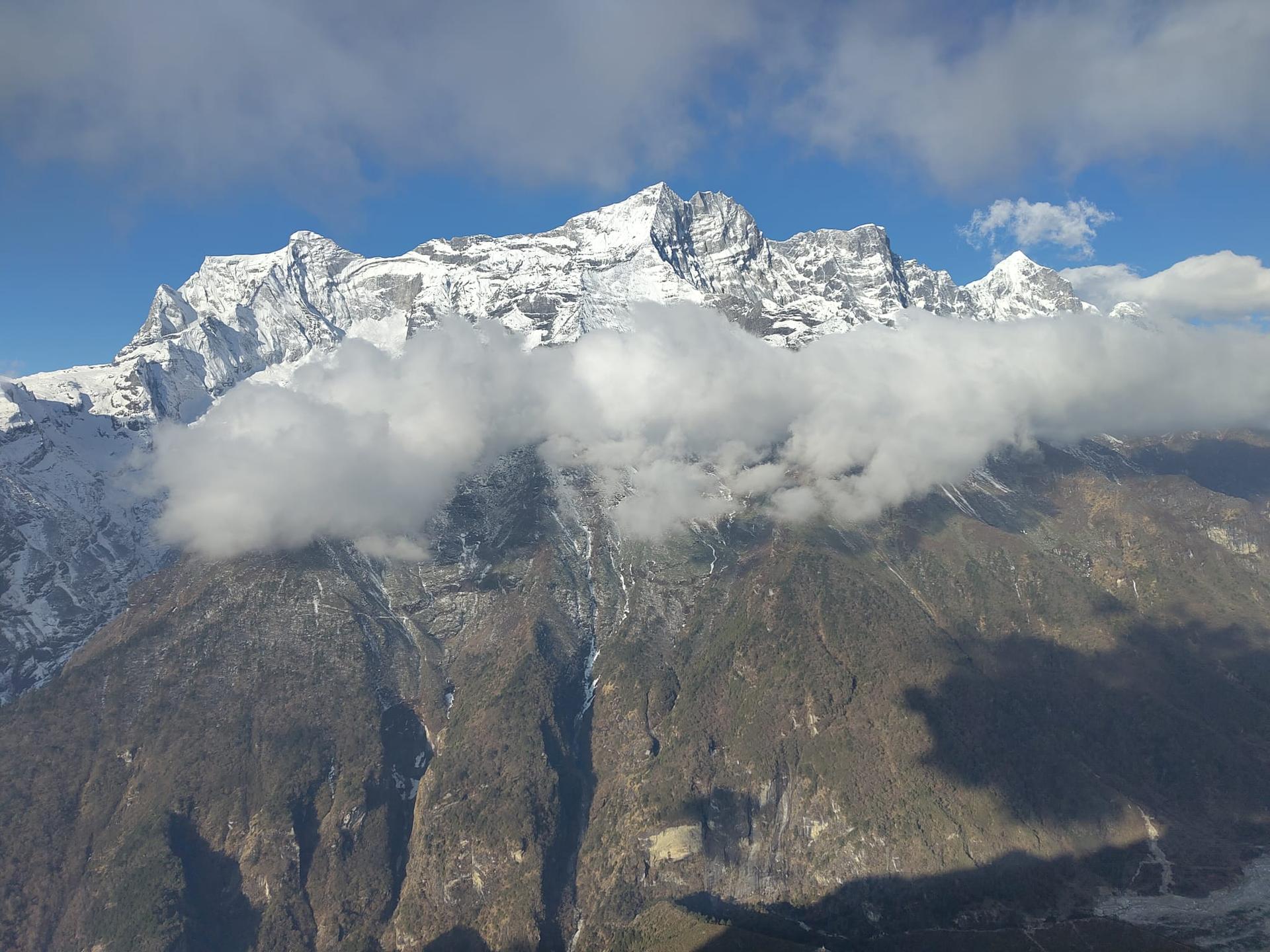
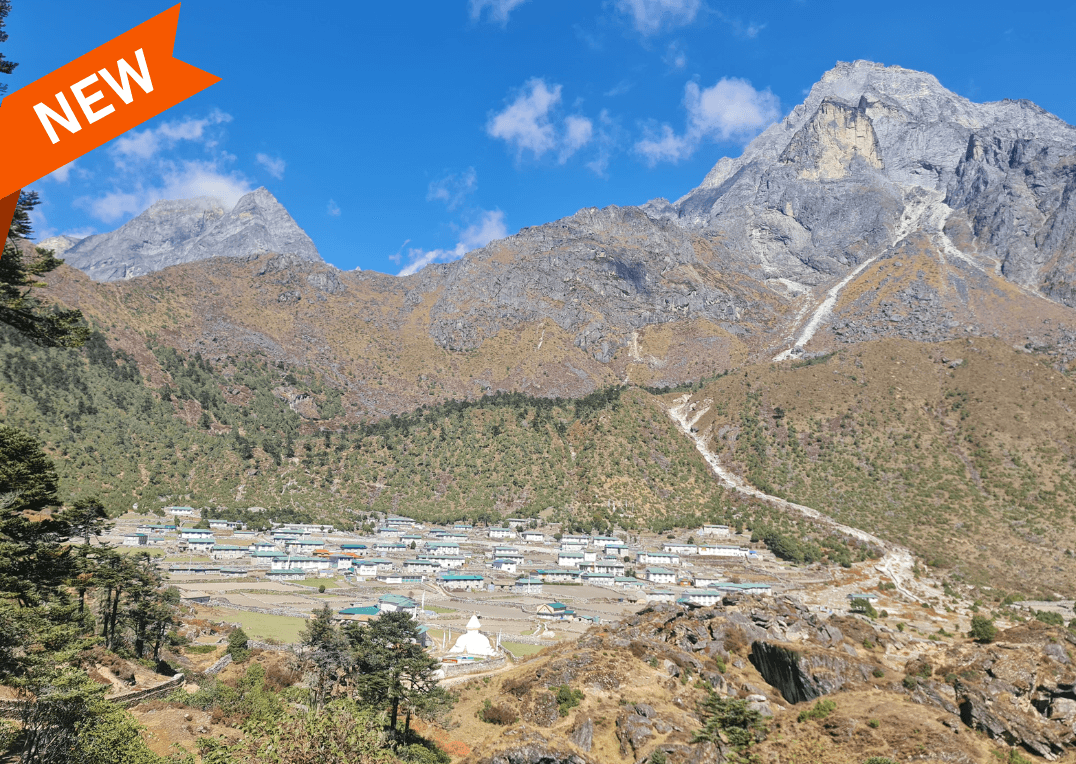
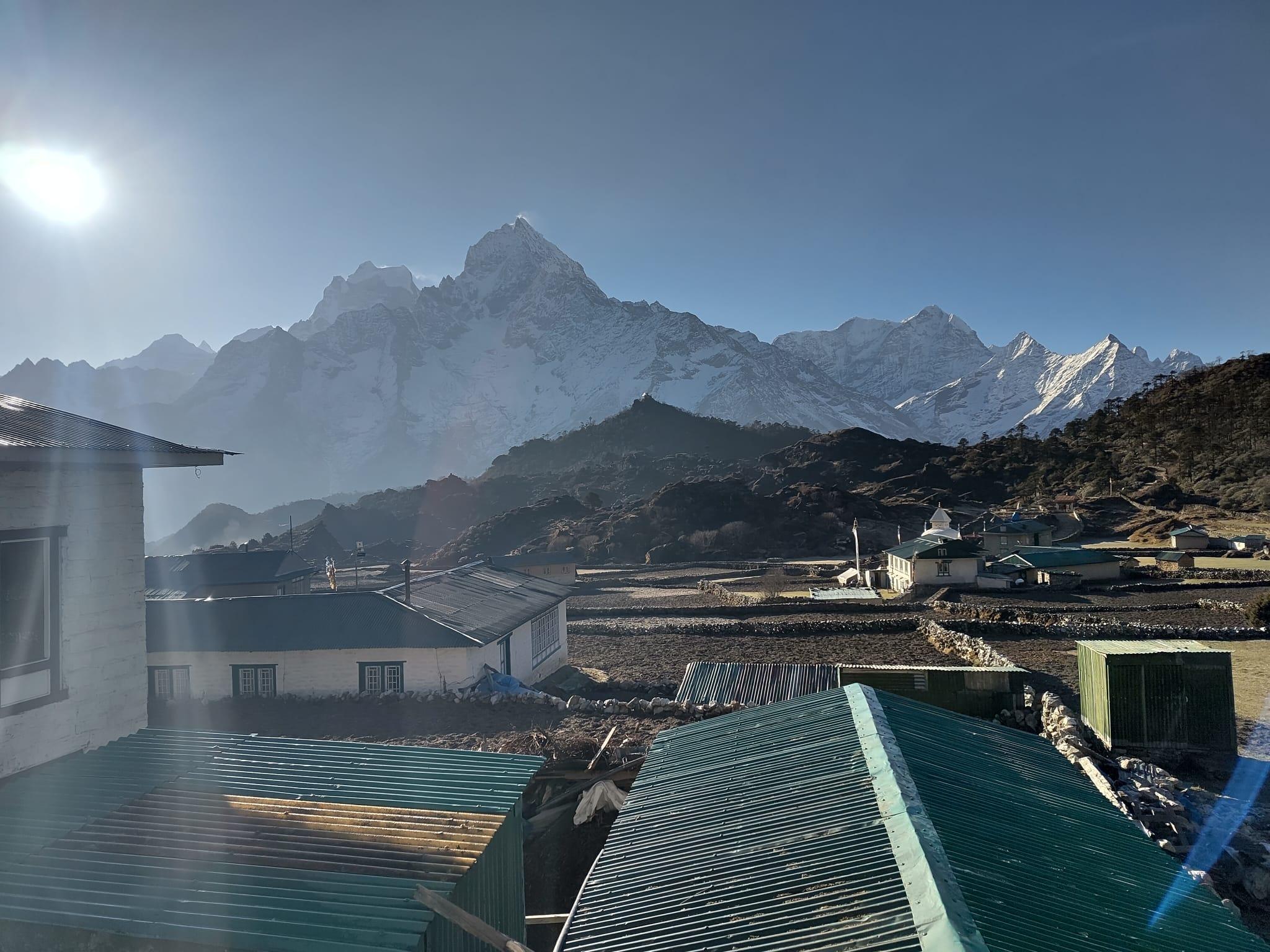
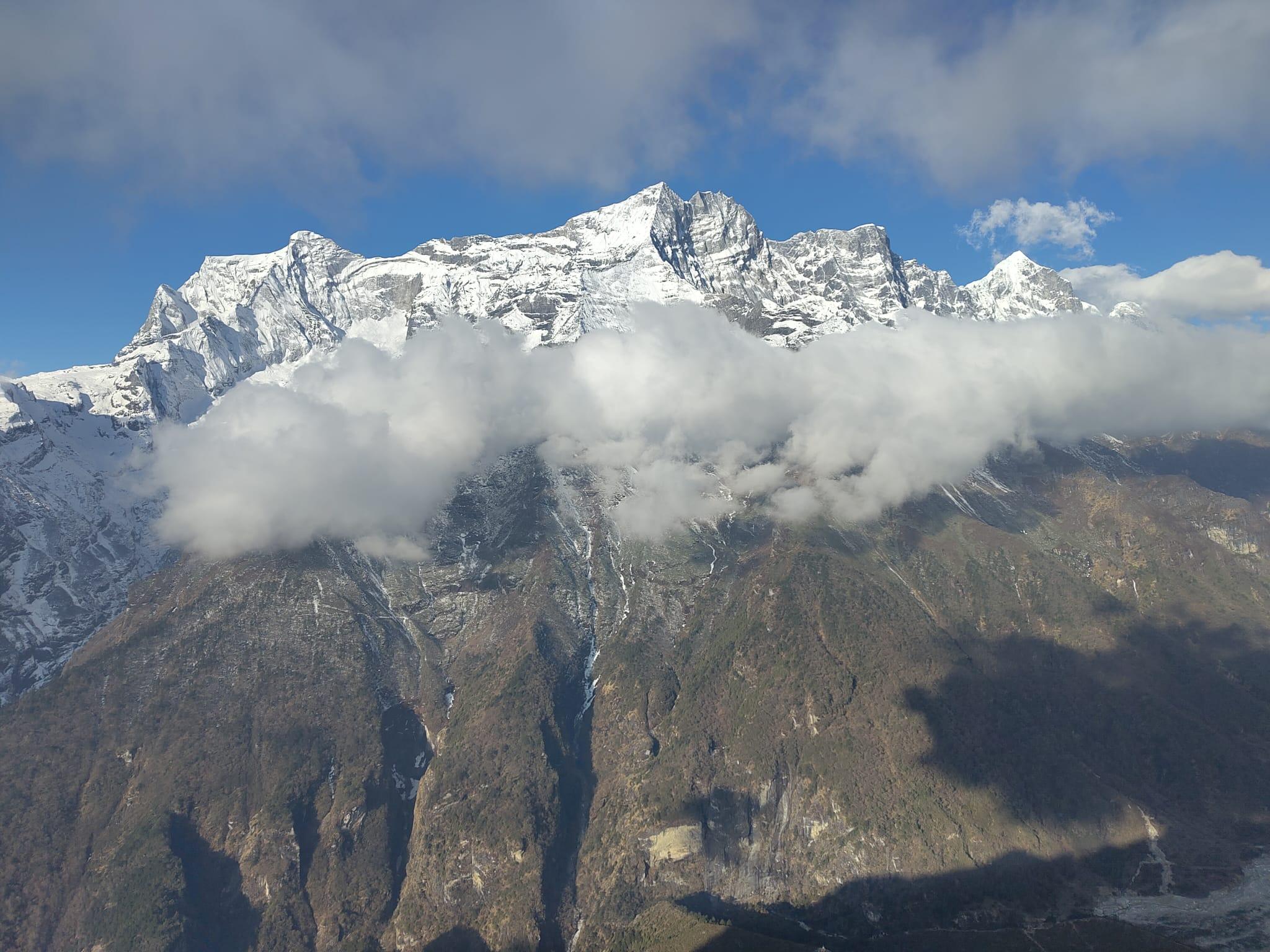
Nestled in the Khumbu region within Sagarmatha National Park, Khunde sits at an altitude of 3,800 meters. It lies beside Khumjung village, beneath the sacred peak of Khumbu Yul Lha, the protector deity of the Sherpa people.
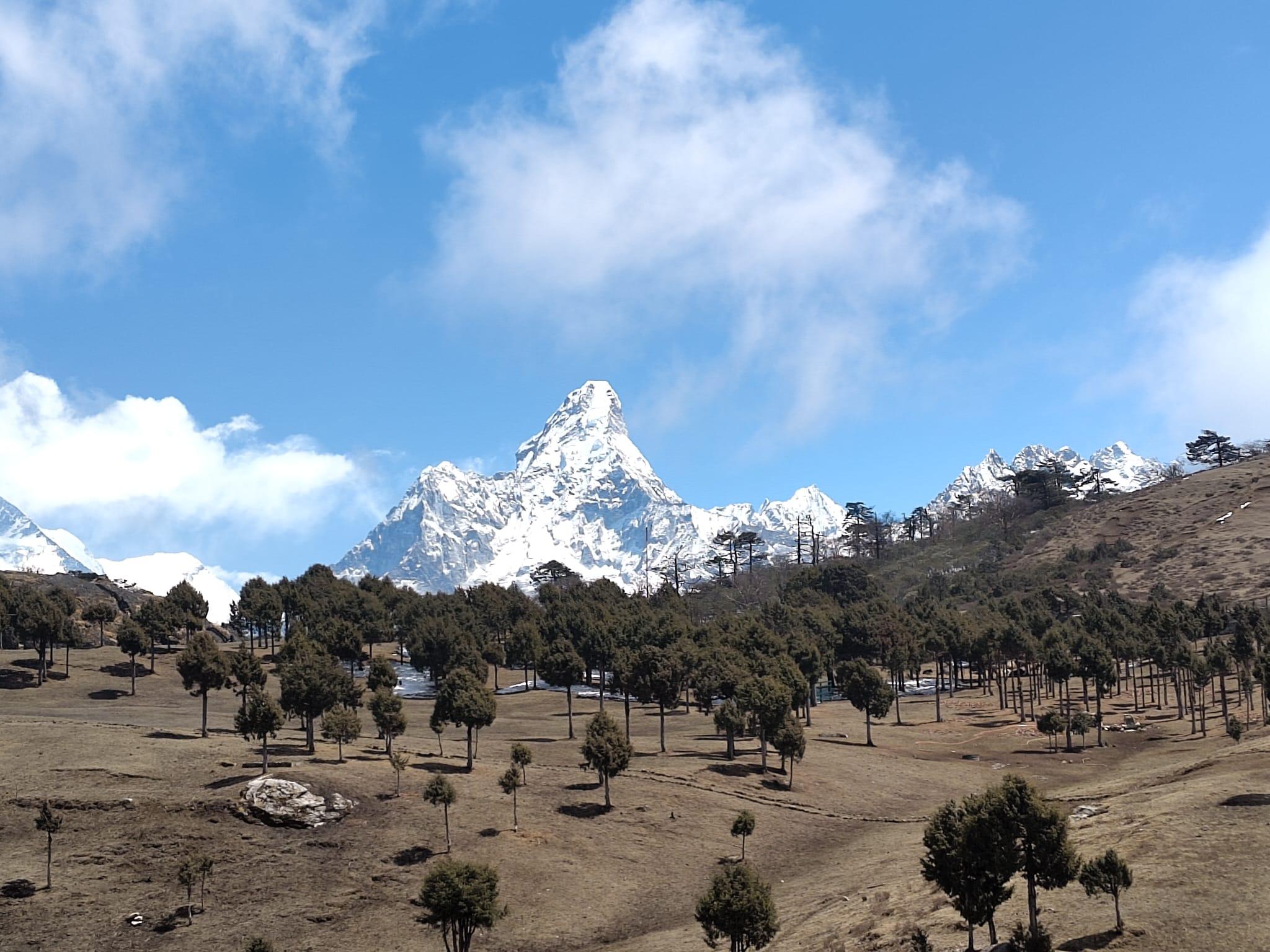
With around 70 households and a population of 300–400, Khunde is a close-knit community surrounded by alpine landscapes. The valley offers breathtaking views, crisp mountain air, and a sense of stillness that feels worlds away from modern life. Despite its remoteness, Khunde remains deeply connected to its land, its traditions, and its people.
Accommodation
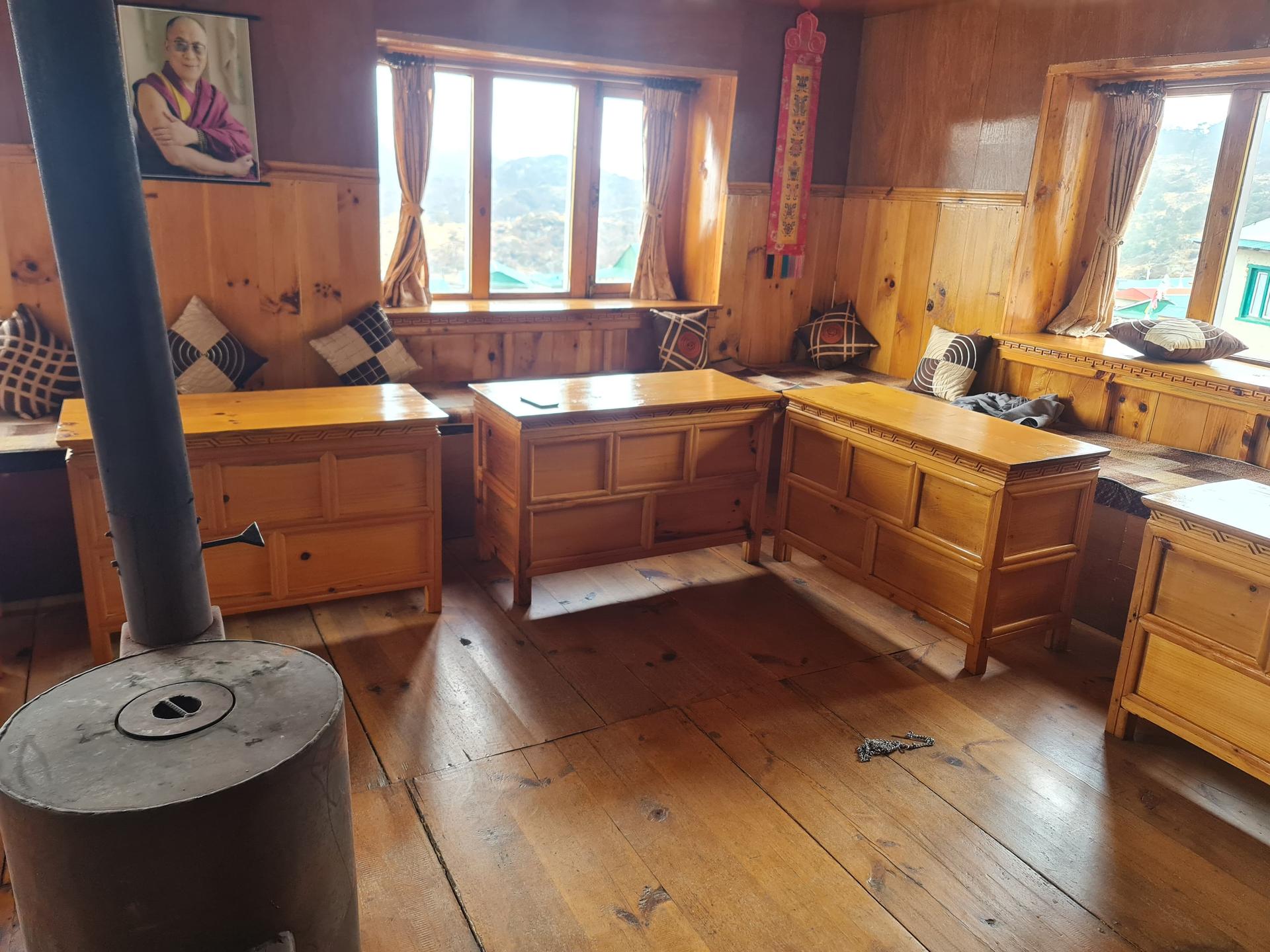
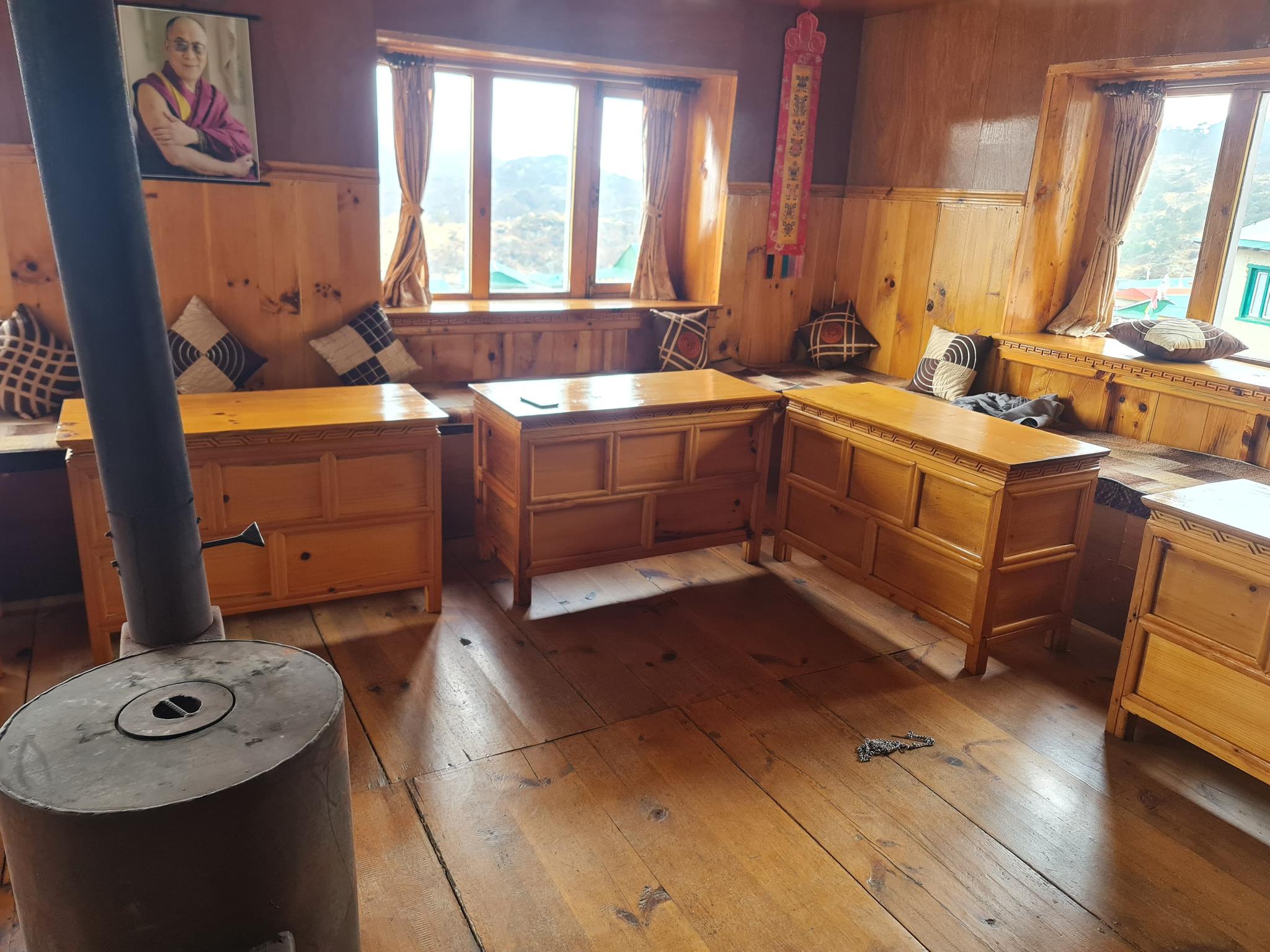
Staying in Khunde means living as the Sherpas do. Homes are simple yet comfortable, offering clean twin or single rooms, hygienic toilets, hot showers, and basic amenities like Wi-Fi and charging facilities.
But what truly defines the experience is not the room; it’s the warmth of the family. Guests share home-cooked meals, often featuring locally grown ingredients, and are welcomed into daily routines that reflect generations of mountain living.
Activities and Experiences
Khunde invites you to slow down and engage deeply with its people, culture, and landscape through immersive and meaningful experiences. You can spend time with a Sherpa family and gain insight into their daily life, while enjoying traditional Sherpa meals and learning local cooking practices. Activities like:
Cook with Locals – Learn to prepare authentic Sherpa dishes like Rikikur and Sherpa stew.
Hike to Khunde View Point – Enjoy panoramic Himalayan views, including Mount Everest on clear days.
Sherpa Cultural Dance – Experience traditional Sherpa music and dance performances.
Dress Like a Local – Wear traditional Sherpa attire and connect with local culture.
What You Can Do In and Around Khunde
Khunde Community Homestay offers a range of immersive experiences that allow visitors to connect deeply with Sherpa life and the Himalayan landscape. Guests can stay with a local family, enjoy and learn traditional cooking, and take part in cultural dance and music sessions. A visit to Khunde Monastery provides a peaceful space for reflection, while a short hike to Sir Edmund Hillary View Point rewards with stunning mountain views. Visitors can also explore Khunde Hospital to understand local healthcare efforts, engage in activities like yak riding or rock climbing, and take meaningful walks to nearby spiritual sites such as Karung Dupkanf.
Beyond Khunde, the experience can be extended into the wider Everest region, offering deeper insights into both nature and mountaineering heritage. Visitors can trek through the Sagarmatha National Park, a UNESCO World Heritage Site rich in biodiversity and Sherpa culture, and continue towards iconic viewpoints like Kala Patthar for one of the best close-up views of Mount Everest. A visit to Everest Base Camp offers a powerful sense of the scale and spirit of Himalayan expeditions, where guests can learn about climbing history, challenges, and stories of legendary mountaineers. Along the way, stops at Sherpa villages like Namche Bazaar can include museum visits, local market exploration, and interactions that deepen understanding of life in the Everest region.
Why Khunde?
While the Everest region is globally known for trekking and climbing, the cultural life of the Sherpa people often remains unexplored. Khunde offers travelers a quieter and more meaningful alternative within the Everest trails, a place where visitors can slow down, stay with local families, and experience authentic Sherpa hospitality and traditions firsthand.
Unlike the busier trekking stops, Khunde sees fewer travelers, making it an ideal destination for those seeking a genuine cultural connection alongside Himalayan landscapes. Here, tourism supports local livelihoods while helping preserve the identity and heritage of the Sherpa community.