Two Communities, One Homestay
The Tharu & Sonaha Community Homestay, established in 2018, creates new opportunities for two indigenous groups while protecting their heritage and environment. The Sonaha, a marginalized fishing community of just over 1,200 people, are historically known for their riverine lifestyle of fishing and gold panning along the Geruwa River, yet often deprived of basic needs and government support. Living together harmoniously with the Tharu, whose traditions are rooted in farming and the forest, they now welcome travelers into a shared homestay model that balances cultural preservation with sustainable tourism. Women have gained confidence and income through hosting and cultural sharing, while the community as a whole protects the Tiunahi Jungle and Karnali River ecosystem. More than a place to stay, the homestay is a platform for empowerment, harmony, and conservation.
Where is the Tharu & Sonaha Community Homestay?
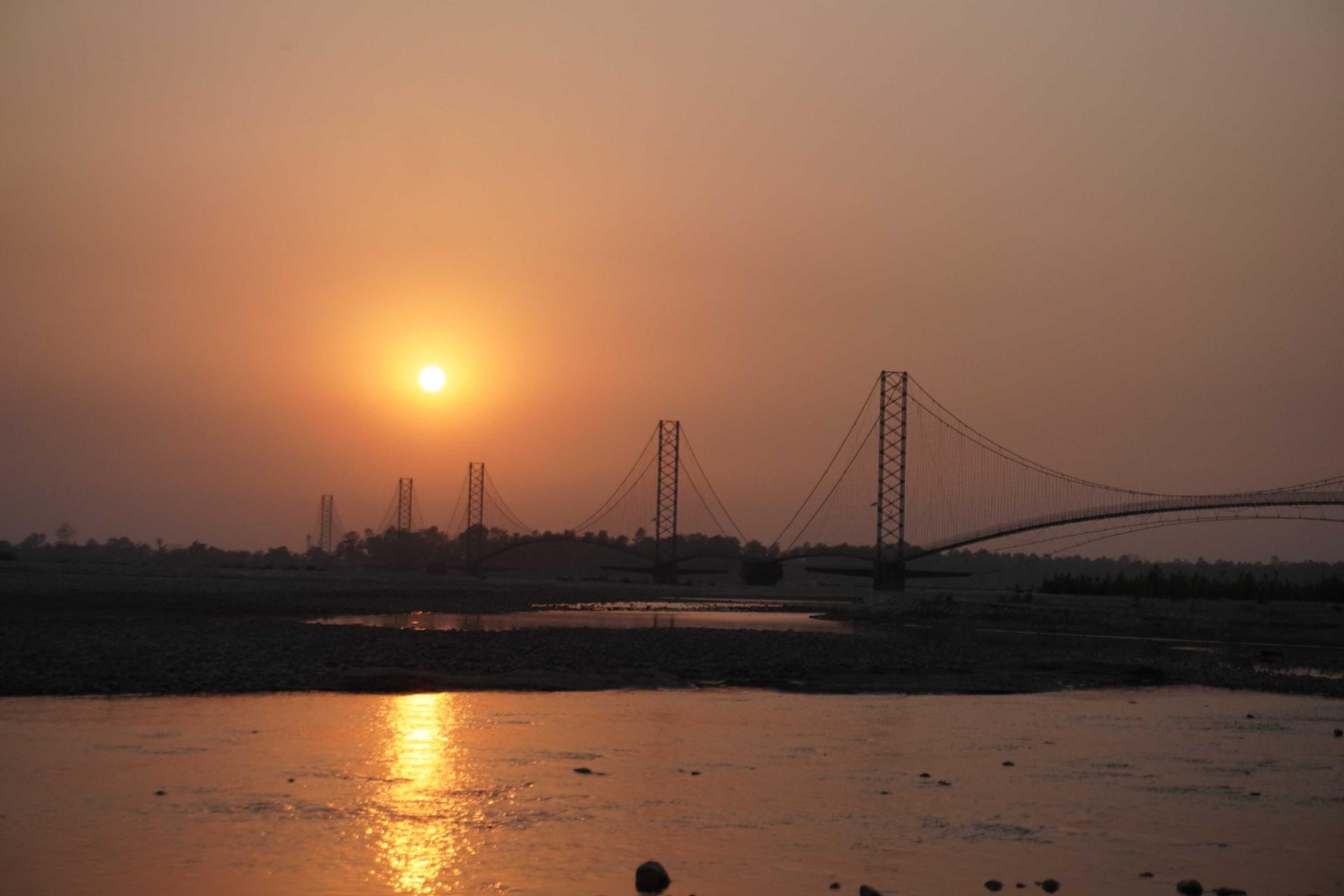
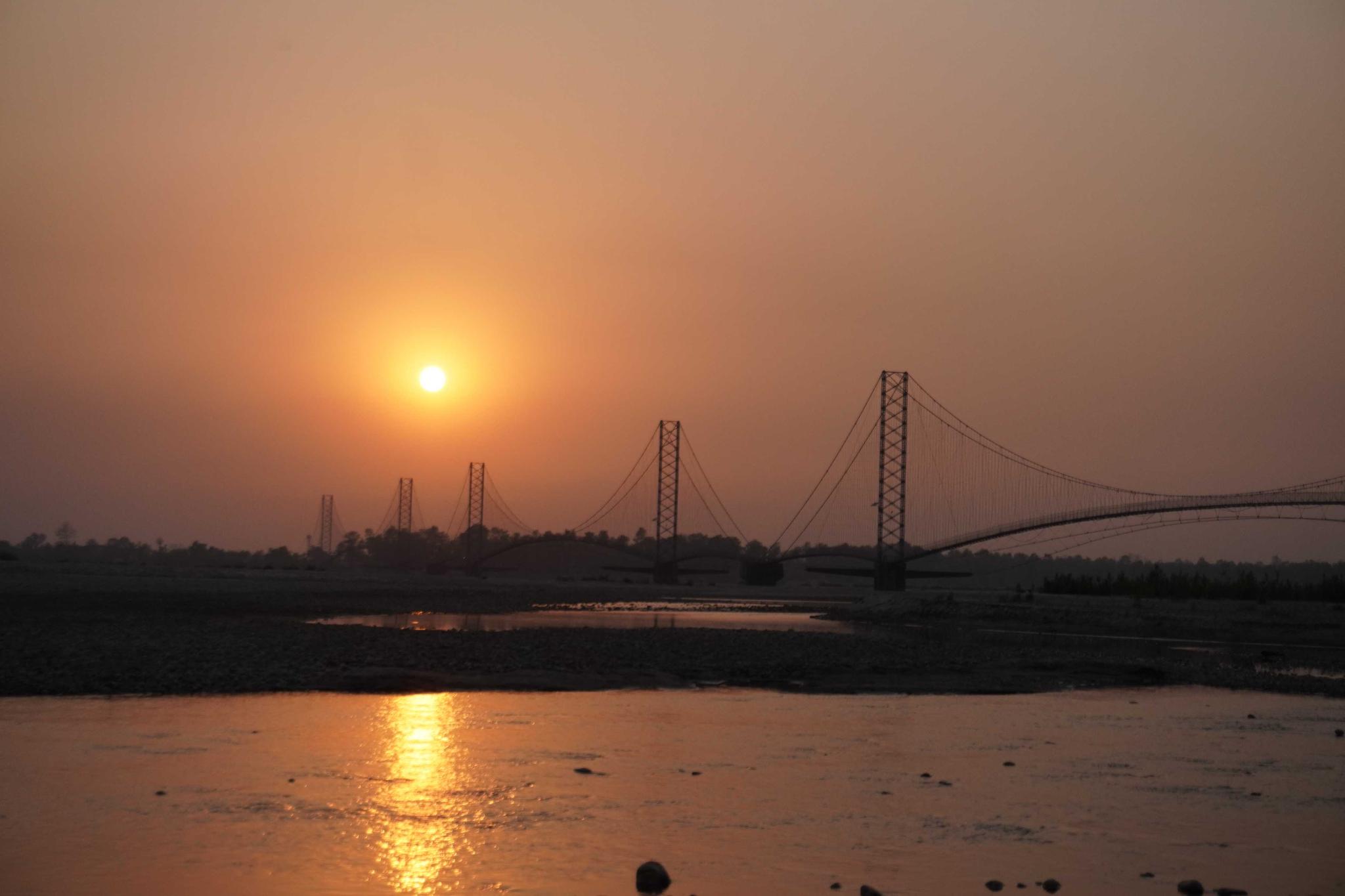
This community homestay lies in western Nepal, close to the serene banks of the Karnali River and the edge of the Jungle. At an elevation of about 200 meters, the area enjoys a subtropical climate, with warm summers, lush greenery during the monsoon, and mild winters that make it welcoming year-round. The best time to visit is from October to February, when cool, clear weather is ideal for exploring nature and experiencing community life. Its rural setting, about 690 kilometers west of Kathmandu, makes it an authentic escape into village rhythms, cultural diversity, and natural beauty.
Accommodation
Guests are welcomed into charming mud-and-wood houses with thatched roofs that reflect the traditional architecture of the Tharu and Sonaha. Rooms are simple but thoughtfully maintained, with an emphasis on hygiene and comfort. Facilities remain true to the rural lifestyle, squat toilets are provided, and bathing is done in a local way, in bathrooms with walls but no ceiling, just as community members do in their daily lives. While the physical comforts are modest, the deeper charm lies in the sense of community and cultural detail: walls crafted from natural materials, decorated with traditional patterns, and infused with the warmth of rural life. Every stay becomes a shared experience, where guests connect directly with families who are proud to open their homes, tell their stories, and extend genuine hospitality.
Activities and Experiences
The Tharu & Sonaha Community Homestay offers a blend of cultural discovery and natural exploration. Visitors can:
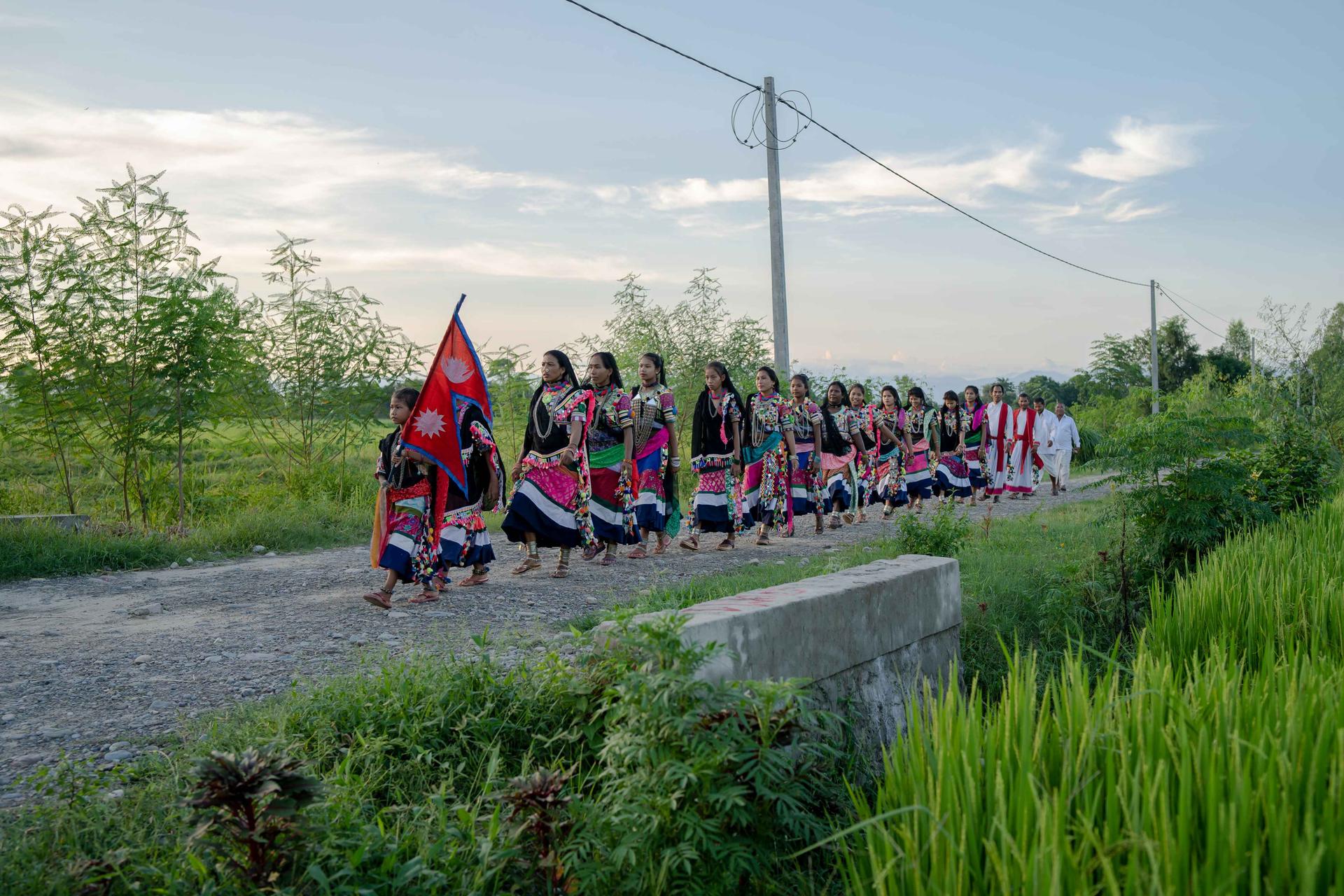
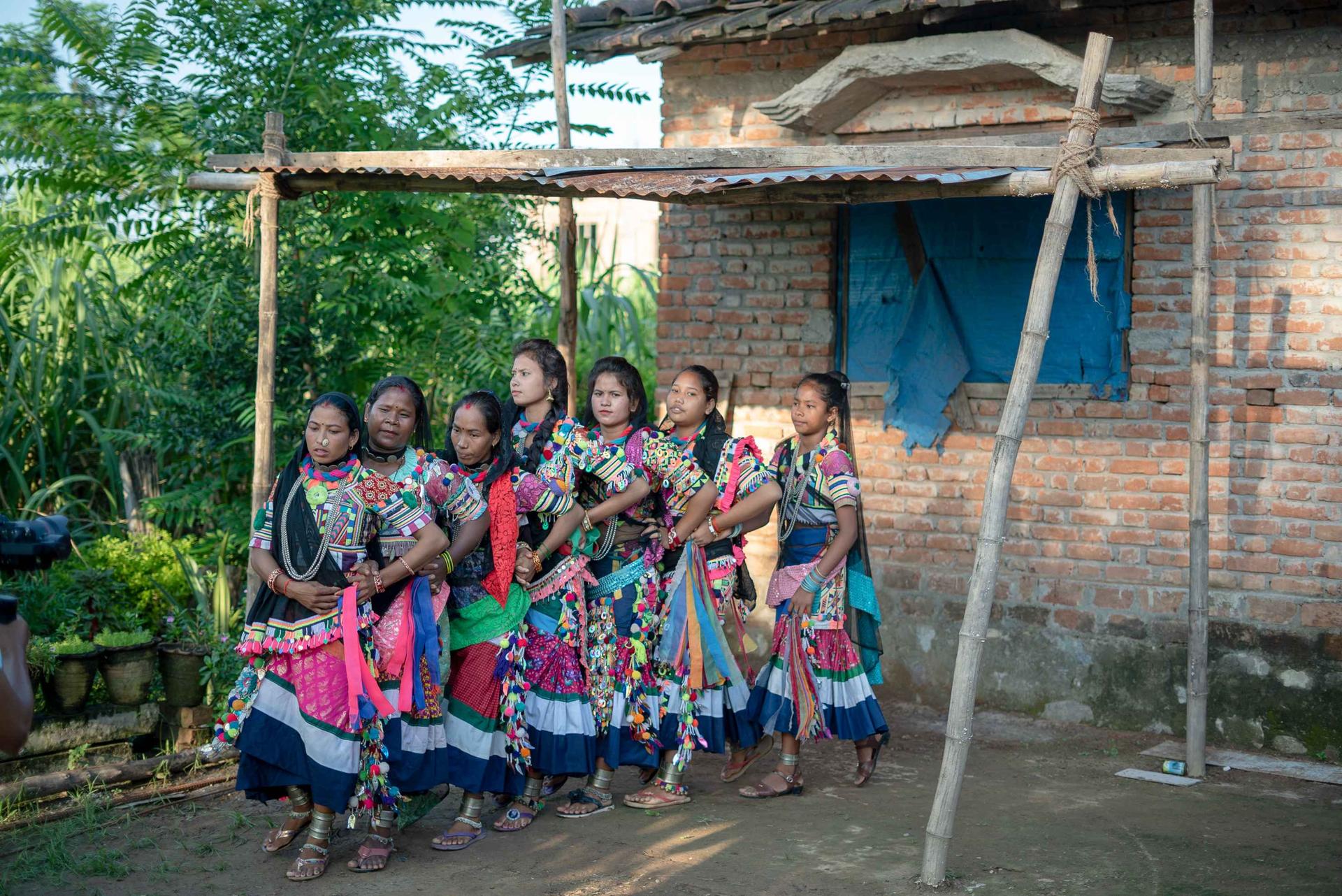
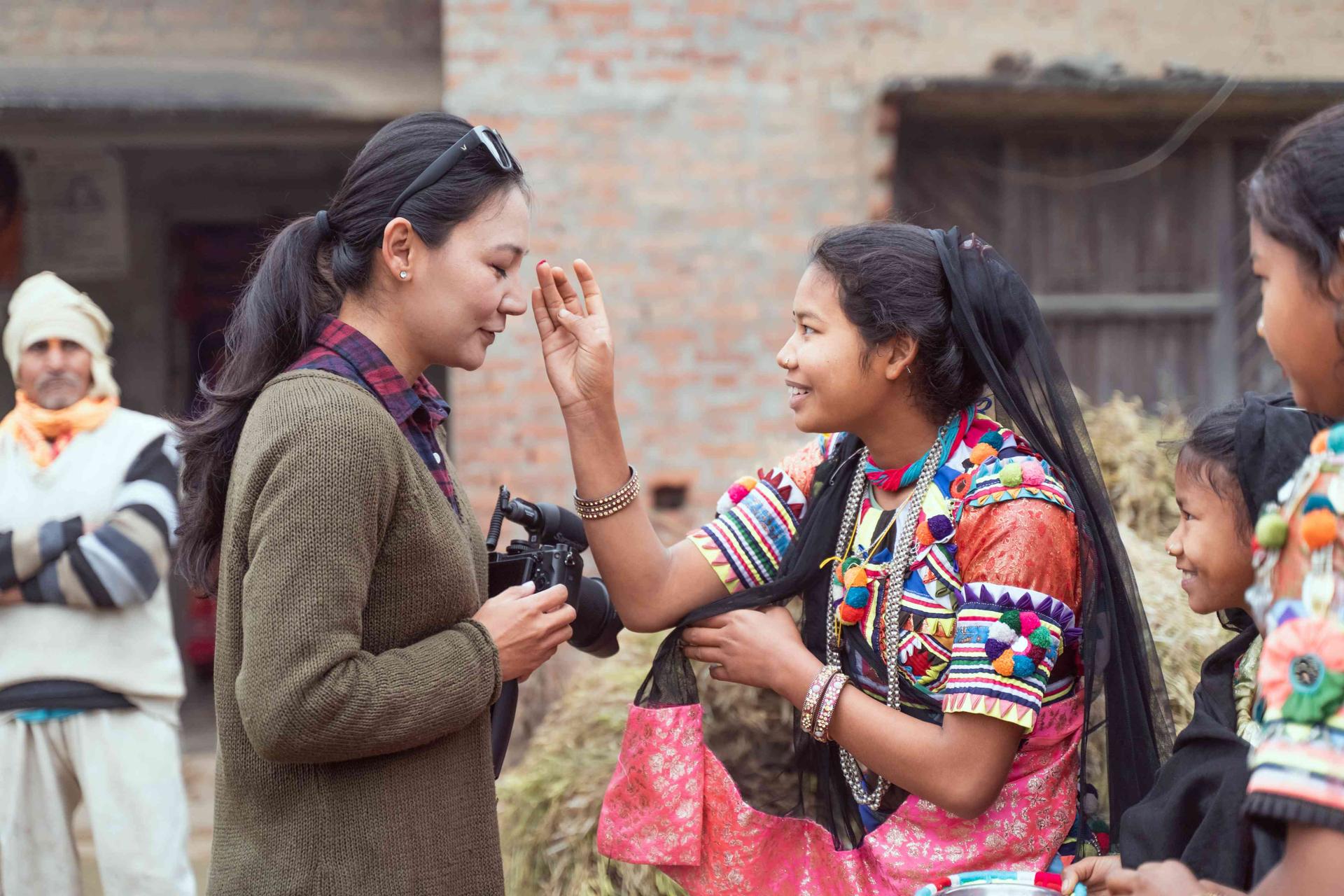
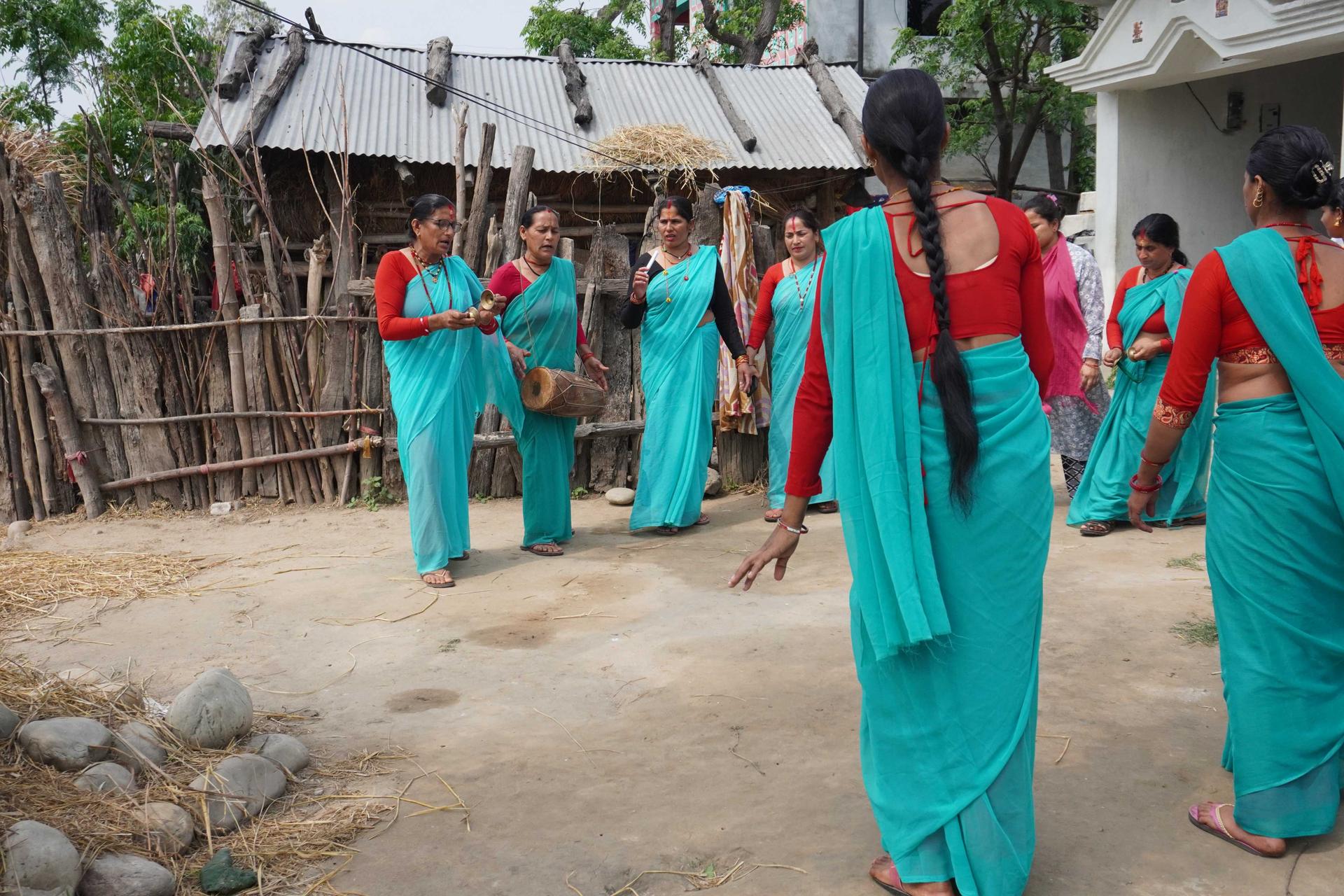
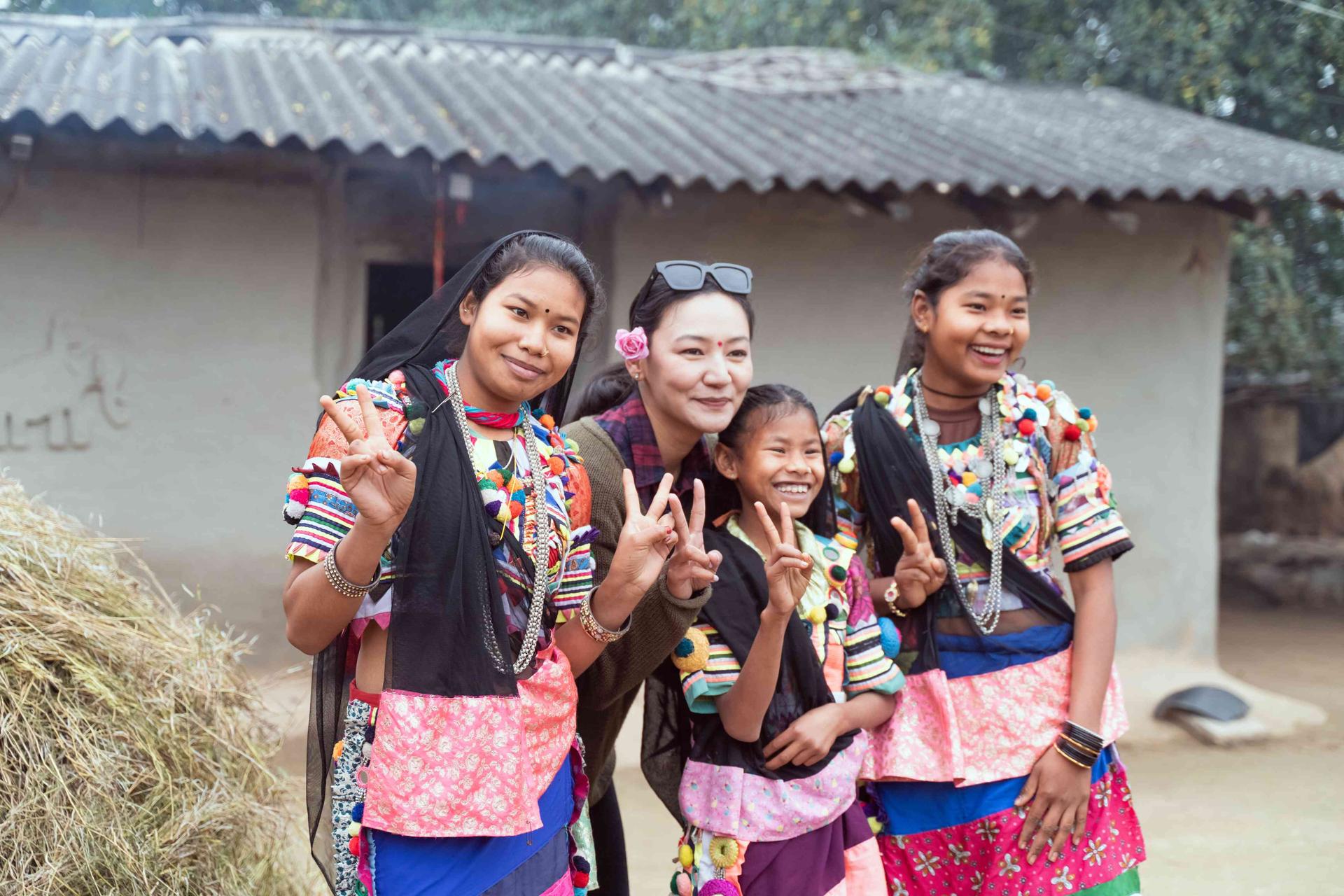
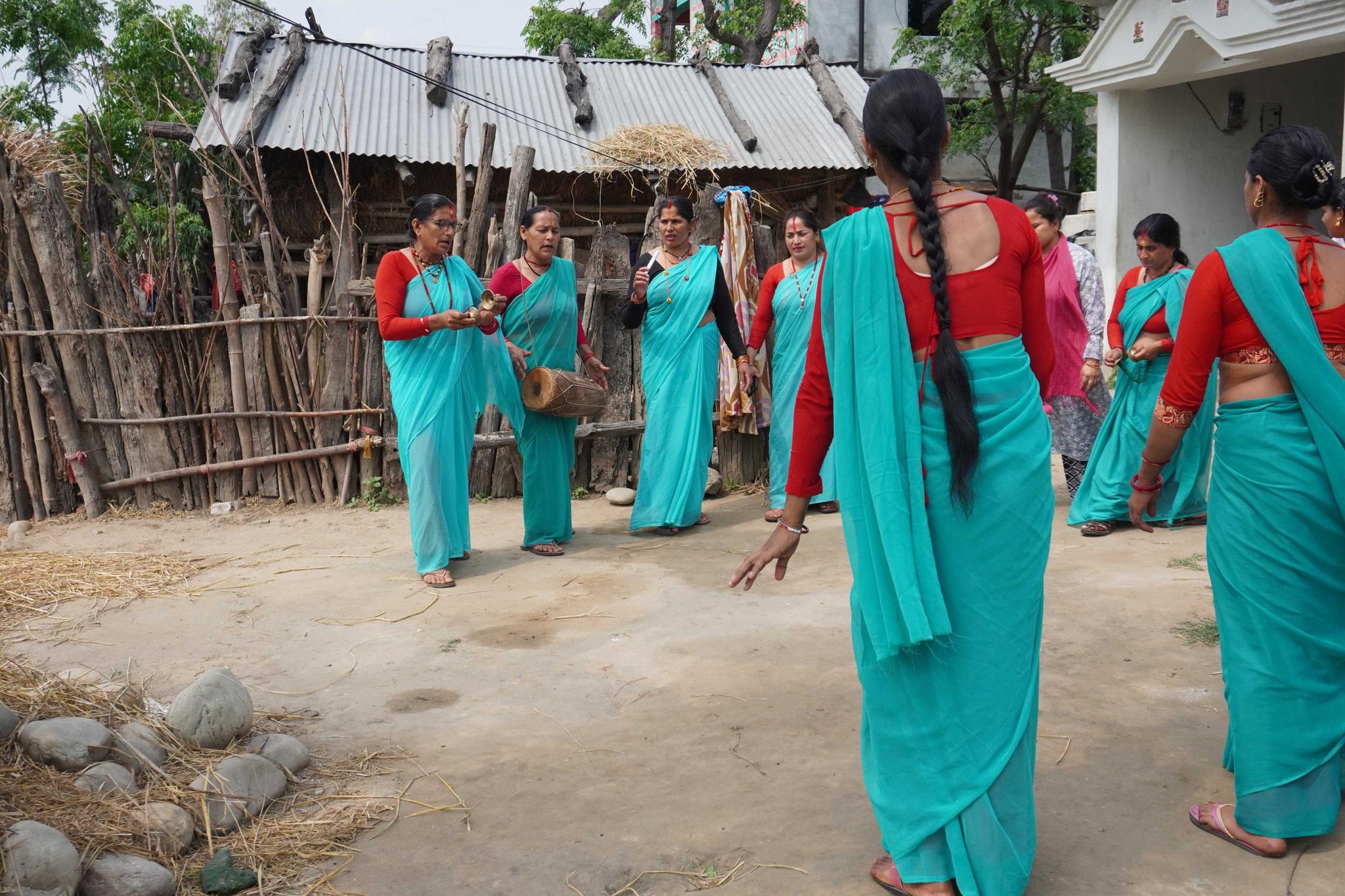
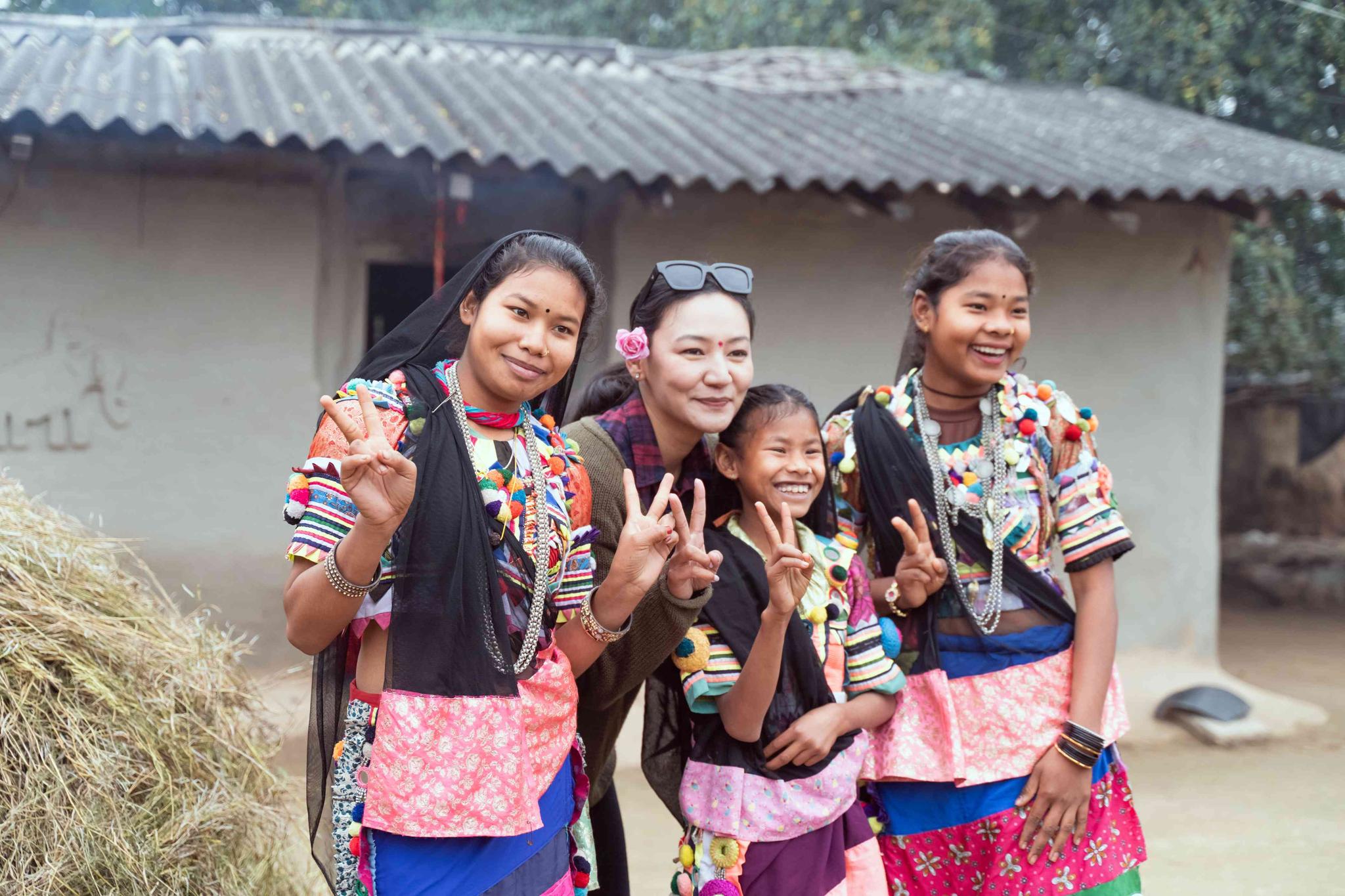
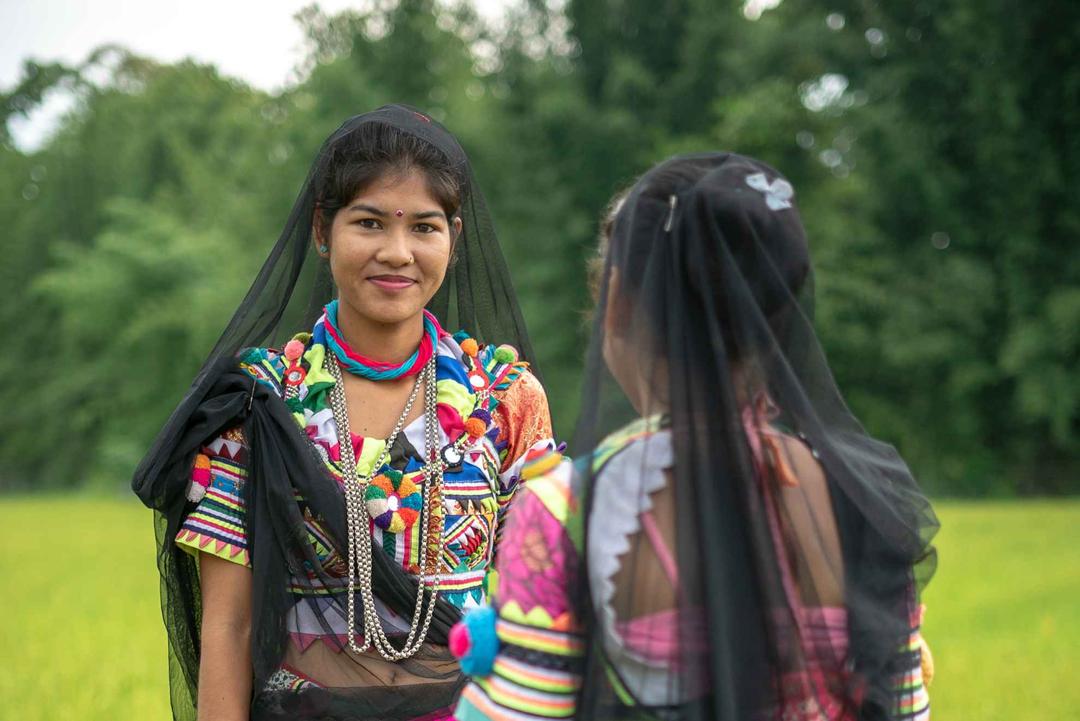
Tharu & Sonaha Cultural Program – Experience vibrant performances of music and dance that celebrate Tharu and Sonaha identity.
Gold Panning – Step into the traditional livelihood of the Sonaha people by learning their age-old practice of panning for gold in the Karnali River.
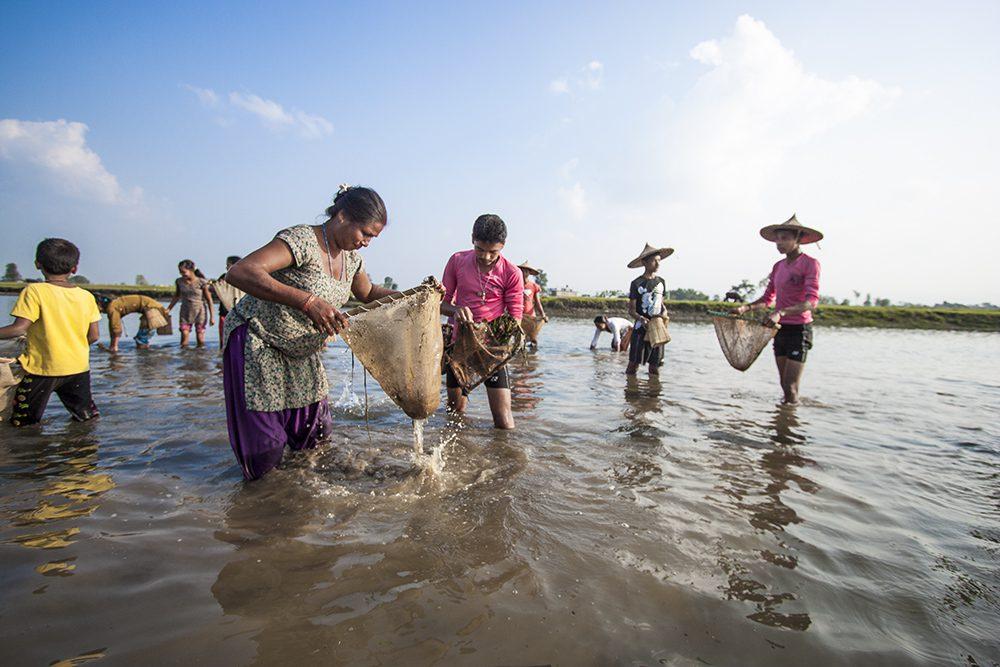
Enjoy River Experiences – Take a steamer boat ride on the Karnali or observe the daily fishing and gold panning lifestyle of Tharu and Sonaha people , connecting with the people and lifestyle that shape local life.
Village Walks – Explore traditional houses, observe tattoos and crafts, and participate in seasonal farming such as rice planting or harvesting.
What You Can Do in and Around the Tharu & Sonaha Community Homestay
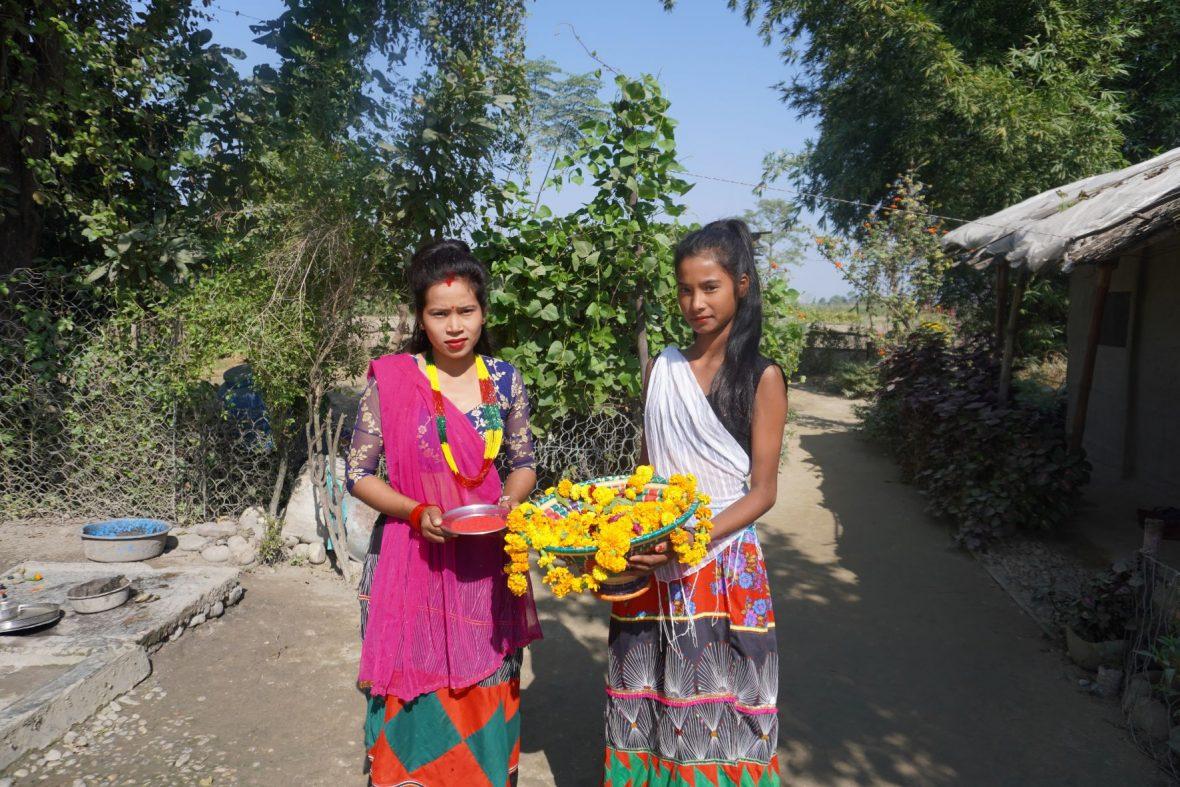
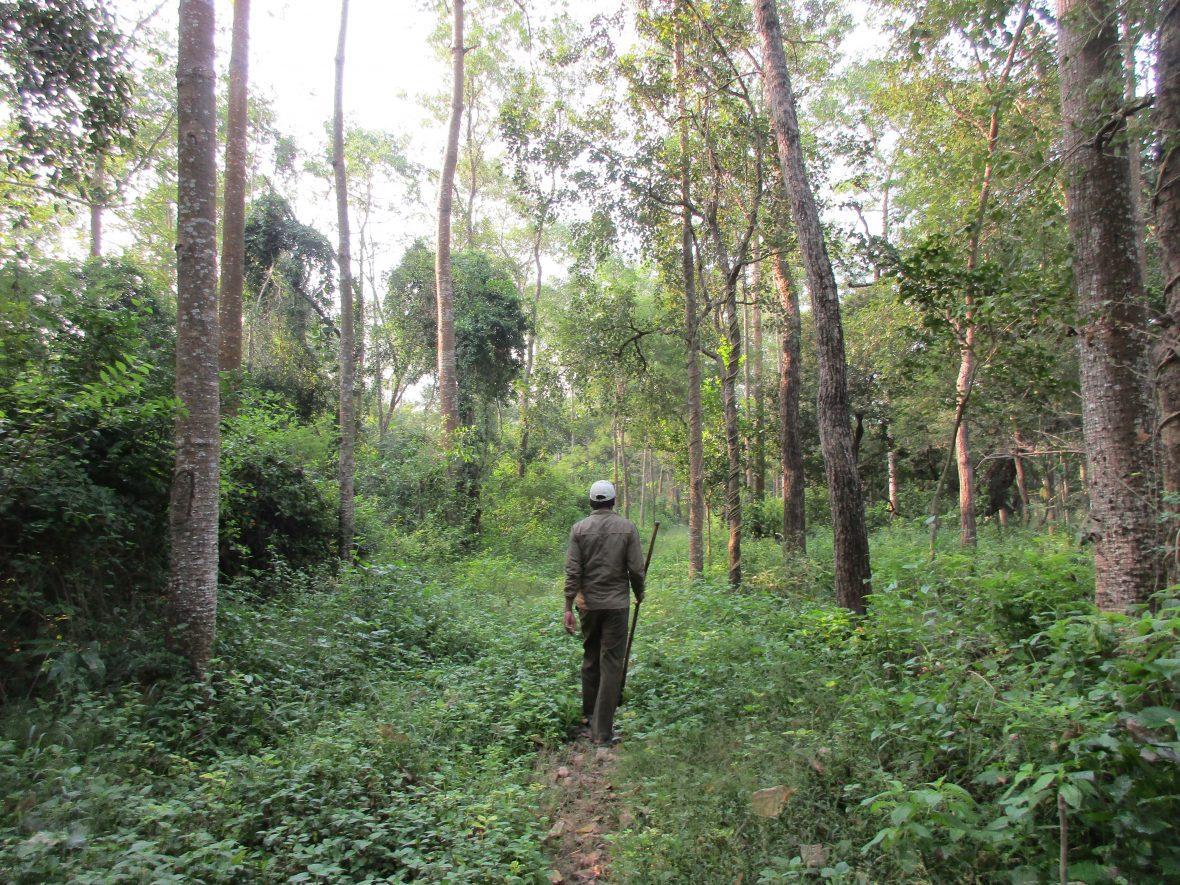
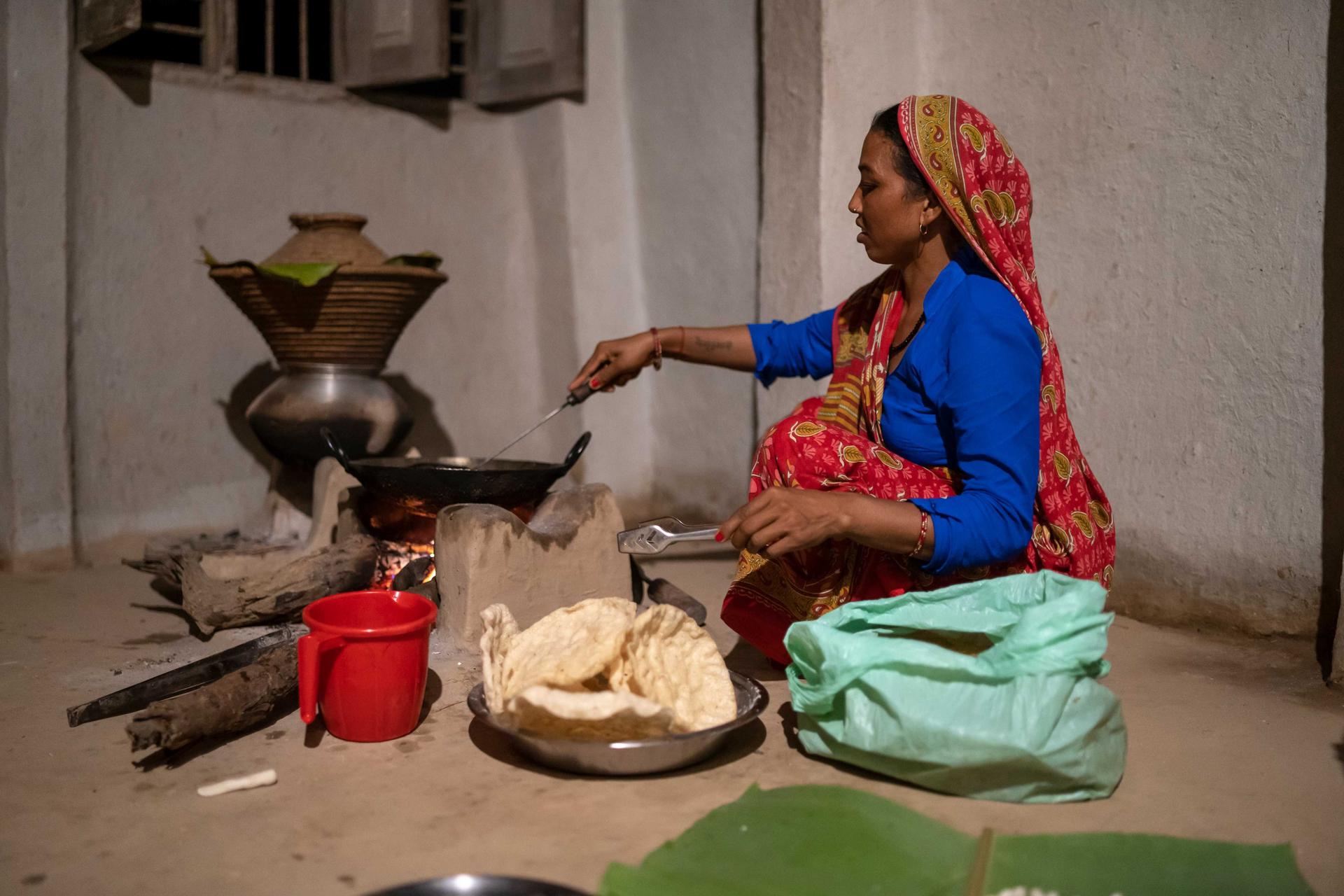
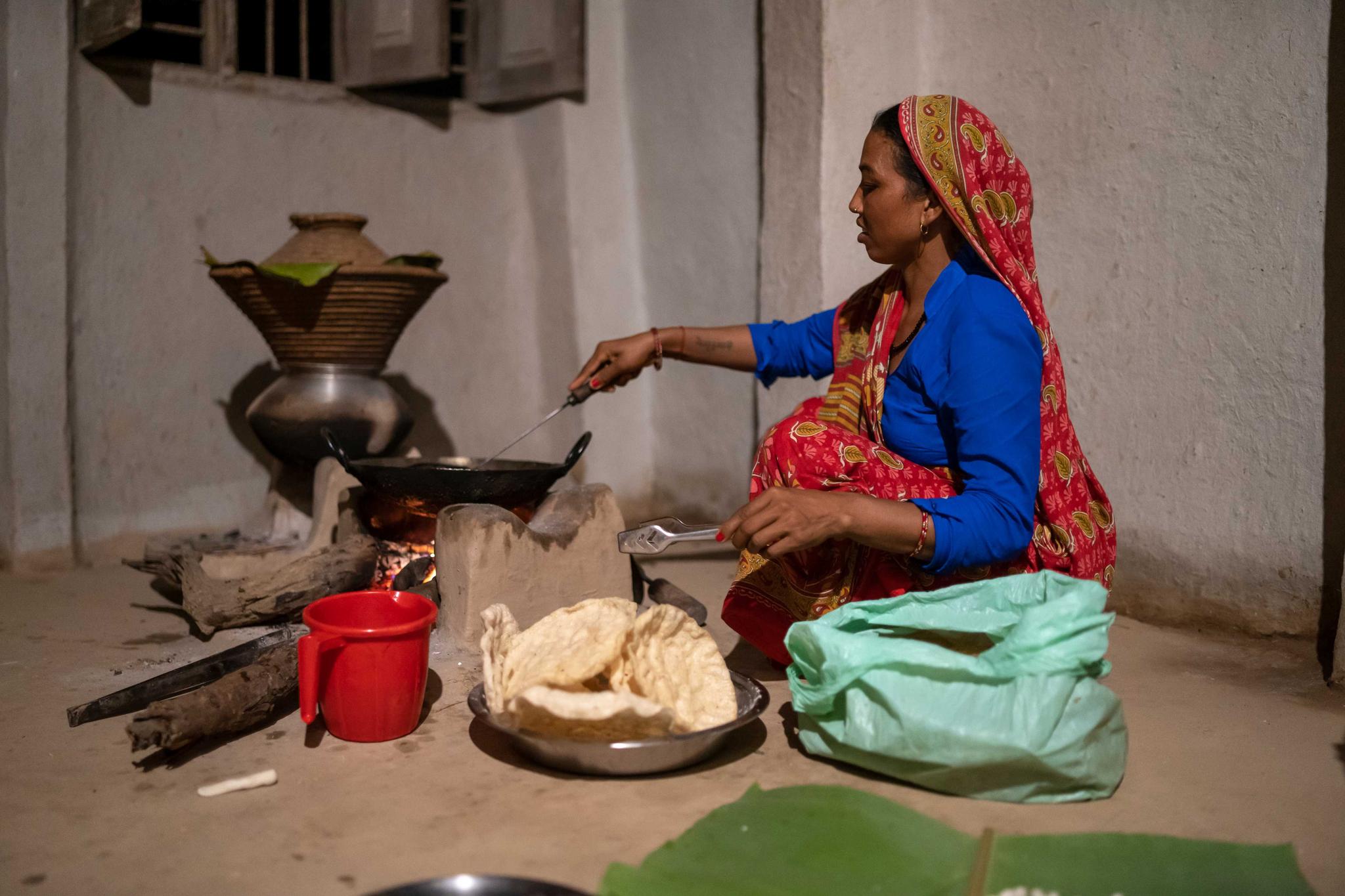
Within the village, guests can immerse themselves in everyday life—learning to cook local dishes with hosts, joining farming tasks, and discovering the stories that shape the community. You can enjoy cultural programs of both the Tharu and Sonaha people, try gold panning with local women, take part in a cooking class to learn authentic Tharu and Sonaha cuisines, or simply sit with elders to hear stories of the river and forest that define their lives. Festivals such as Maghe Sankranti, Dashain, and Tihar bring the village alive with color, rituals, and dance, offering unforgettable moments of participation. Beyond the homestay, the Karnali River, once a source of gold panning is now a hub for eco-tourism, offering steamer boat rides and excursions to Tikapur Park. The nearby Tiunahi Jungle serves as a living classroom for biodiversity and conservation. For wider adventures, Bardiya National Park lies close by with chances to spot tigers, elephants, and rhinos, while the Karnali River also invites rafting and exploration of the Terai plains where culture and wilderness meet.
Why Tharu & Sonaha Community Homestay?
This homestay is not just about accommodation; it is about preservation, resilience, and transformation. It is one of the few community homestays in Nepal where two distinct indigenous groups, the Tharu and the Sonaha, live united in harmony, sharing their traditions while protecting their environment. For visitors, it offers a rare chance to step away from the rush of modern life and embrace slow travel, immersing in a way of living where cultural identity is still deeply rooted in daily practices. Here, you can learn the remarkable story of resilience, especially of the Sonaha people, who, despite almost no government support, continue to live with dignity against all odds. For the community, the homestay creates sustainable alternatives to farming challenges, environmental strain, and declining traditional livelihoods. By choosing to stay, guests directly contribute to women’s empowerment, youth opportunities, and the preservation of endangered practices like Sonaha gold panning.
It is more than lodging, it is a meeting ground of tradition and progress, demonstrating that tourism done right can honor identity, strengthen livelihoods, and protect the environment for generations ahead.
Your Stay, Their Story
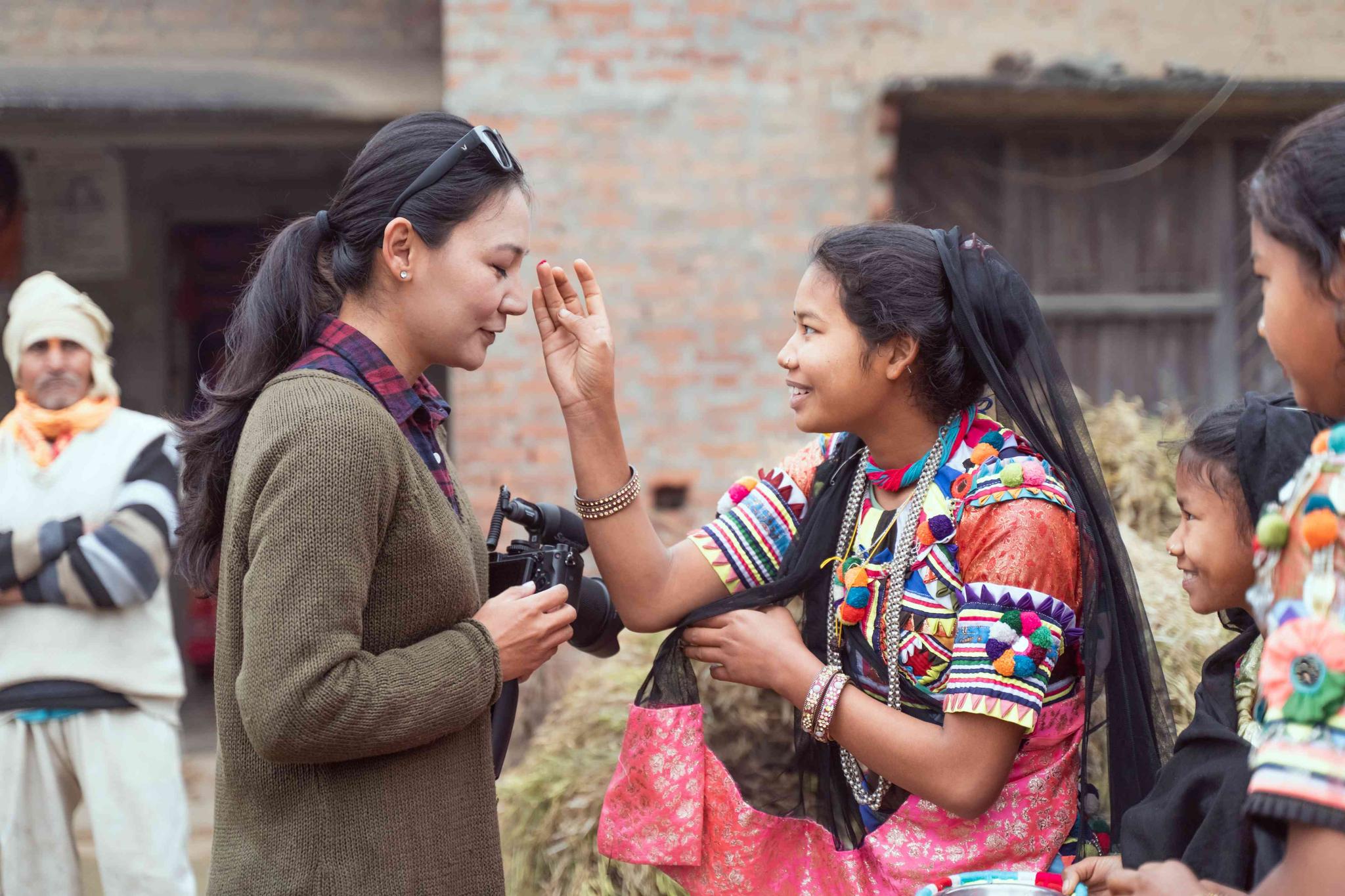
When you stay at the Tharu & Sonaha Community Homestay, you become part of a story of resilience, empowerment, and cultural preservation. Community tourism has allowed the Sonaha people to showcase their endangered gold panning tradition, while women from both Tharu and Sonaha communities have found self-dependence, recognition, and a platform to share their culture with the world. Men and youth are equally engaged, finding purpose in safeguarding traditional knowledge and passing it on to visitors. The community homestay also provides much-needed alternatives in a region where farming challenges and frequent human–wildlife conflict make livelihoods uncertain. By joining cultural programs, cooking classes, or river activities, you don’t just experience their way of life, you help sustain it.