Introduction
Community tourism grows strongest when learning, reflection, and collaboration are part of its foundation. With the same realization in August 2025, our team at Community Homestay Network (CHN) facilitated two key initiatives aimed at strengthening community-led experiences: a yearly reflection meeting for the Mask Painting Experience in Thimi and a peer-to-peer learning exchange between community facilitators from Patan and Kirtipur working on the Ranjana Lipi experience. Together, these engagements reflect CHN’s ongoing commitment to cultural authenticity, operational improvement, and community ownership.
Yearly Reflection Meeting – Mask Painting Experience (Thimi)
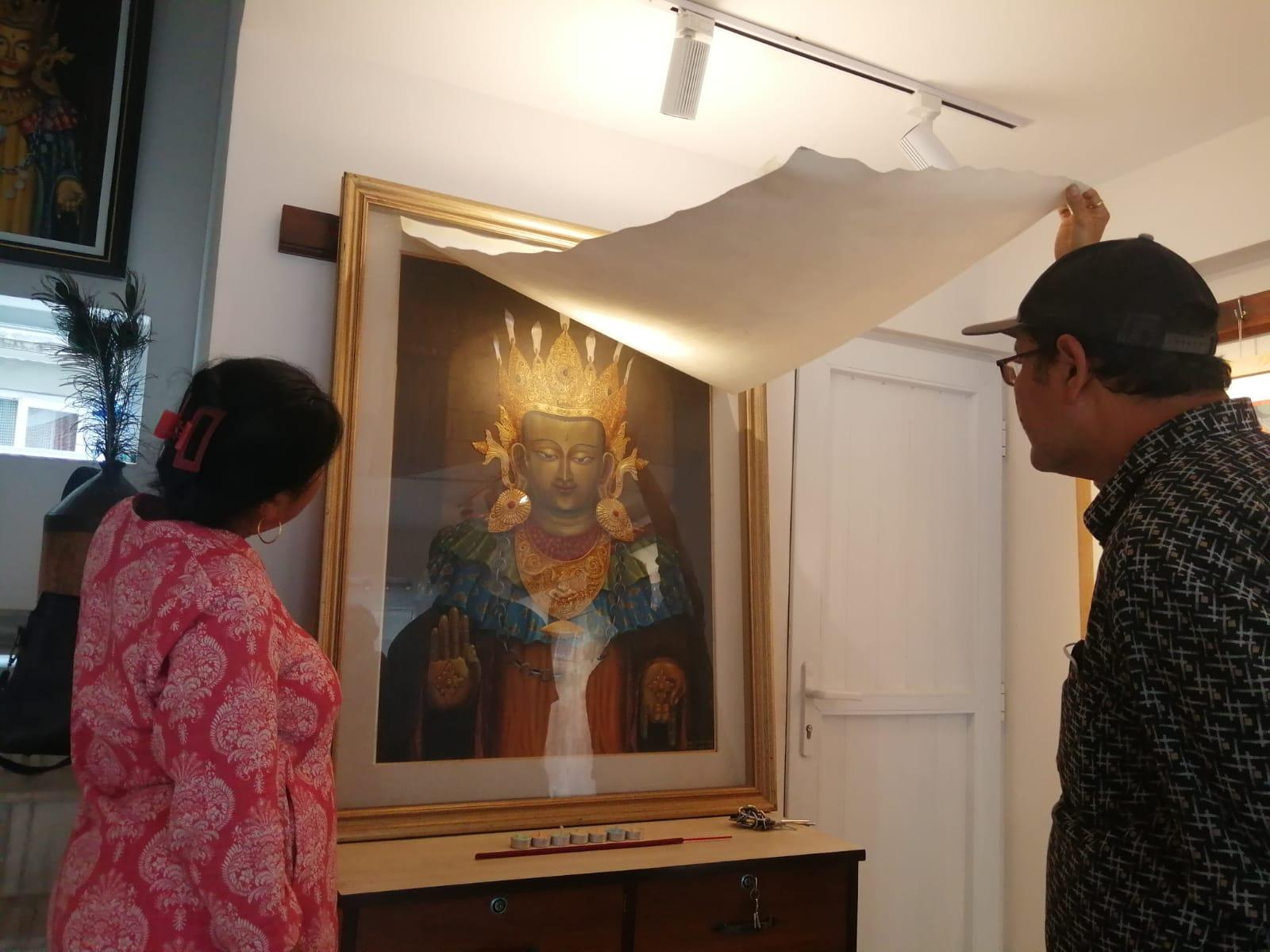
The annual reflection and experience review meeting, held on 5 August 2025 in Thimi, provided a warm and reflective space to look back on the past year, reviewing overall performance, guest engagement, and collaboration with CHN. Som Tamang, Mask Painting Artist and owner of Mask Painting Workshop, expressed satisfaction with the steady guest flow and shared appreciation for CHN’s role in maintaining the educational depth and cultural integrity of the experience. The Mask Painting Experience continues to stand out for its strong focus on learning and authenticity, clearly setting it apart from more commercial alternatives. Operational challenges, including limited availability during certain periods due to the experience providers’ external commitments, were openly discussed, with the feedback received positively and the conversation remaining constructive, forward-looking, and hopeful. Encouragingly, there is growing interest among younger family members in learning the craft, opening meaningful opportunities for intergenerational knowledge transfer and the long-term continuity of the tradition. From CHN’s perspective, guest feedback has remained largely positive, while also highlighting the need for more proactive booking management and better use of guest reviews to strengthen visibility and demand. As a way forward, it was agreed to actively encourage the involvement of younger family members through skill-building workshops to support capacity development and ensure the sustainability of the mask painting tradition.
Conclusion – Mask Painting Experience
The reflection meeting offered valuable insight into both operational needs and long-term capacity building. There was shared commitment to preserving cultural authenticity while improving systems that support smoother operations and sustainable growth.
Peer-to-Peer Learning Exchange – Ranjana Lipi (Patan & Kirtipur)
Participants and Purpose
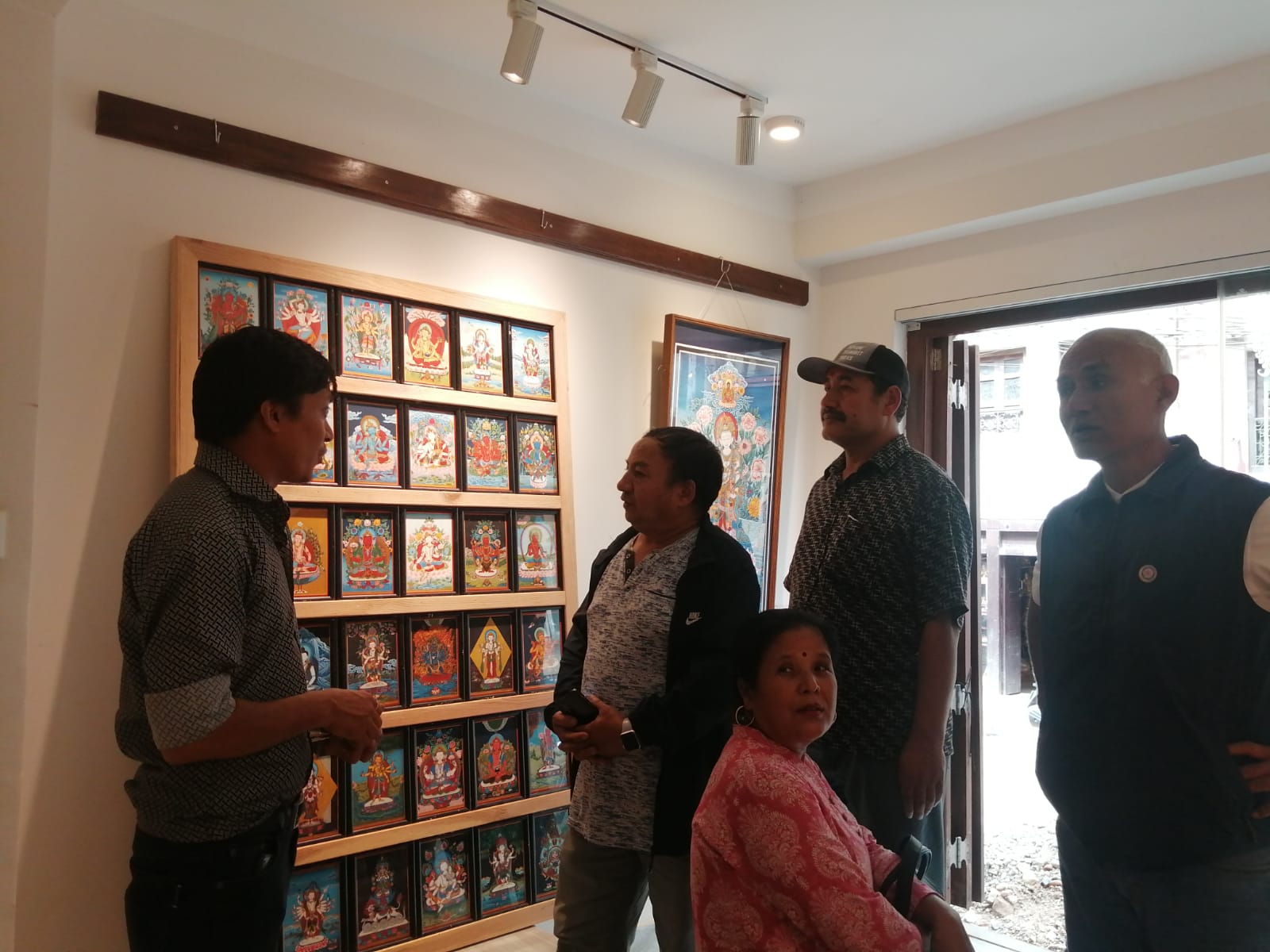
Community facilitators currently delivering the Ranjana Lipi experience in Kirtipur took part in a peer-to-peer learning exchange informed by experiences and practices from Patan. The session aimed to strengthen facilitation quality and support the ongoing redesign of the experience.
Key Learnings Shared
The exchange focused on improving storytelling, participant engagement, and overall session flow. Facilitators shared practical challenges, successful facilitation techniques, and on-ground insights drawn from direct guest interactions. These discussions contributed valuable ideas toward making the Ranjana Lipi experience more interactive, collaborative, and engaging for participants.
Why This Exchange Matters
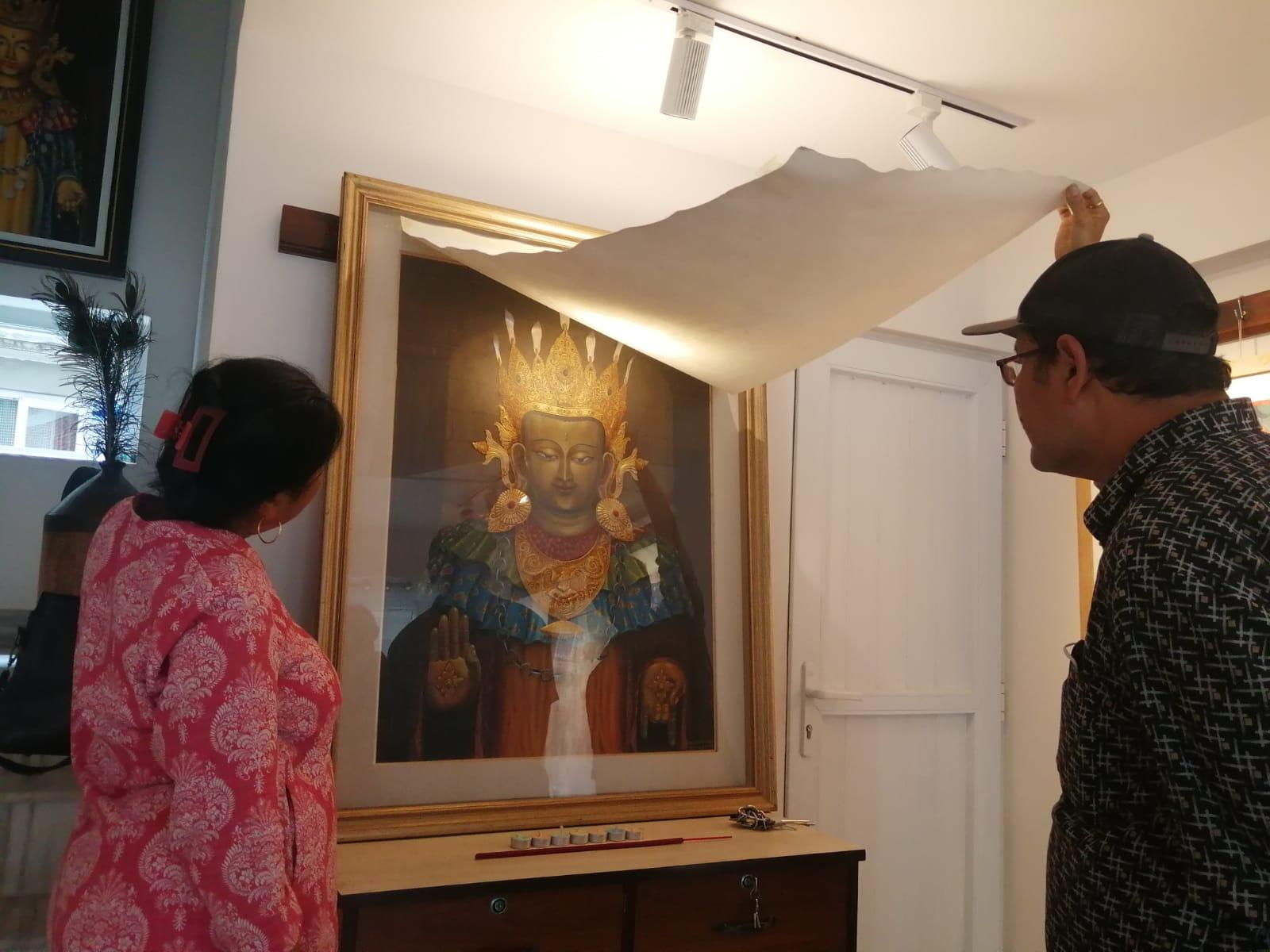
Peer-to-peer learning played a critical role in deepening community capacity and fostering meaningful cross-destination/ expereince collaboration. Learning directly from one another ensured that the redesigned Ranjana Lipi experience remains authentic, community-led, and relevant for today’s travelers, while continuing to safeguard cultural integrity and local ownership. This exchange carried particular meaning as the feedback came from artisan Sanjiv Shakya, a Paubha painter whose spiritual and traditional practice closely aligns with the cultural essence of Ranjana Lipi, and was shared with Ranjana Lipi experience provider Gyan Bahadur Maharjan, who carefully safeguards and passes on this indigenous endangered script to travelers eager to learn about this endangered form of art. Seeing two cultural custodians, each deeply rooted in their own traditions to connect, reflect, and learn from one another was profoundly special. It brought together people who truly value their culture and heritage, creating a space for learning, sharing, and mutual respect. At CHN, we feel deeply privileged to serve as a facilitator of such relationships and experiences.
Overall Conclusion
The reflection in Thimi and the peer-learning exchange between Patan and Kirtipur highlight the importance of continuous learning in community tourism. Through open dialogue, shared knowledge, and collaborative problem-solving, these initiatives reinforce CHN’s approach to support the empowerment journey of communities, enhancing visitor experiences, and sustaining Nepal’s living cultural heritage.