Growth, Exchange, and Friendship in Barauli
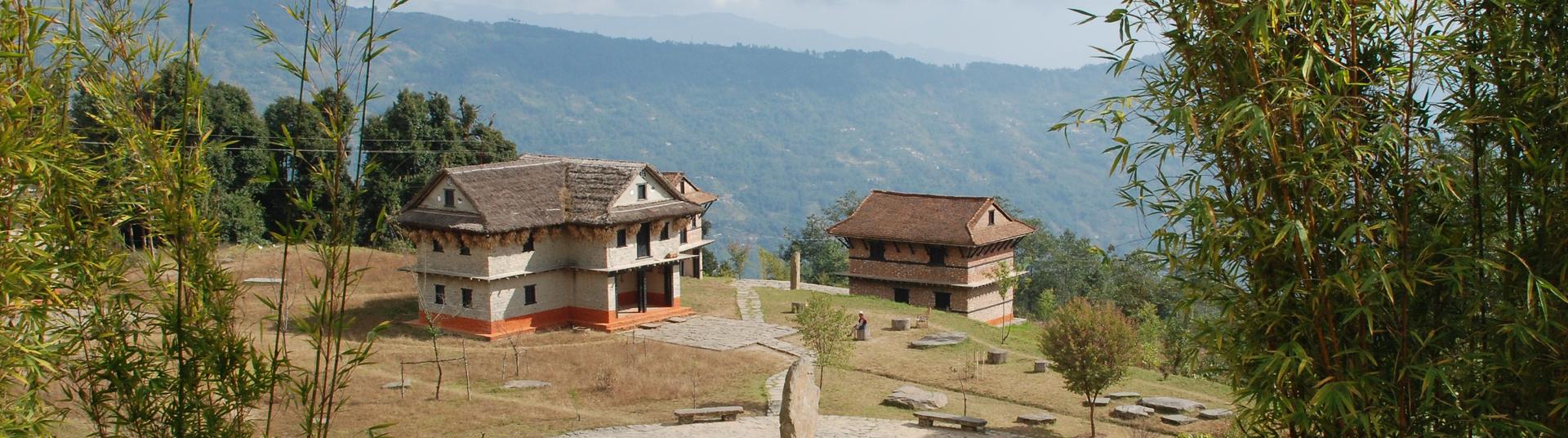
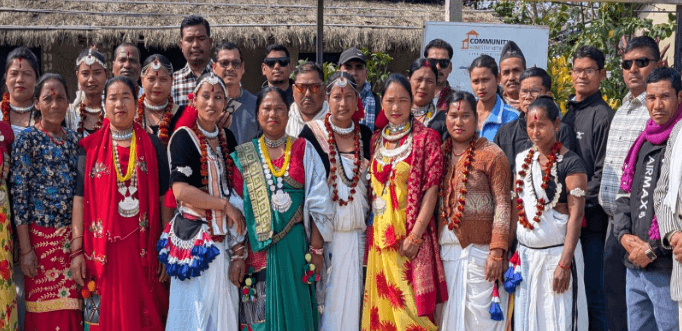
Nestled in the heart of the Terai Region, twelve cooperating families embody the soul of one of Nepal's most successful Homestay Communities. Over the last decade, these hardworking women and men have turned the Barauli Community Network into a powerful women-led enterprise that hosts an impressive, increasing number of visitors each year and has helped secure their families' economic stability and strengthen their social status within the community. Having hosted 1163 travelers in the year of 2019, that number decreased after the pandemic to 679 visitors in the year 2022. However, only mid-year of 2025 the women hosts of Barauli Community welcomed over 5500 guests, showing not only strong recovery from the Pandemic but immensely continued growth.
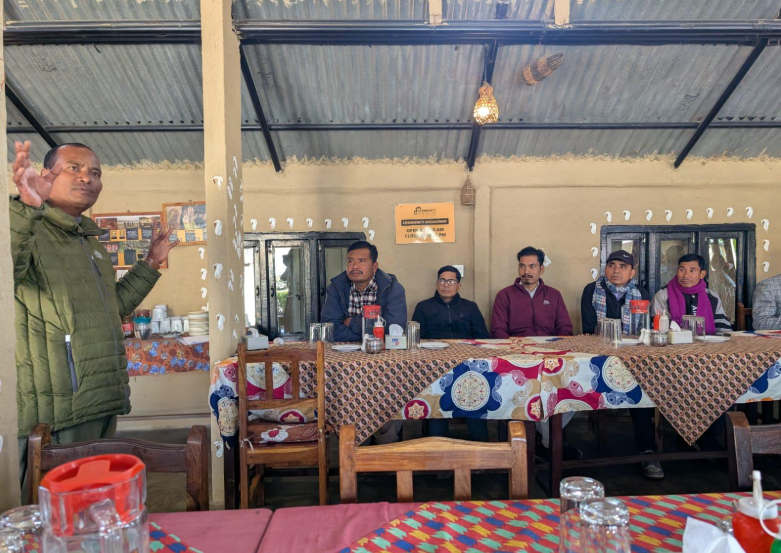
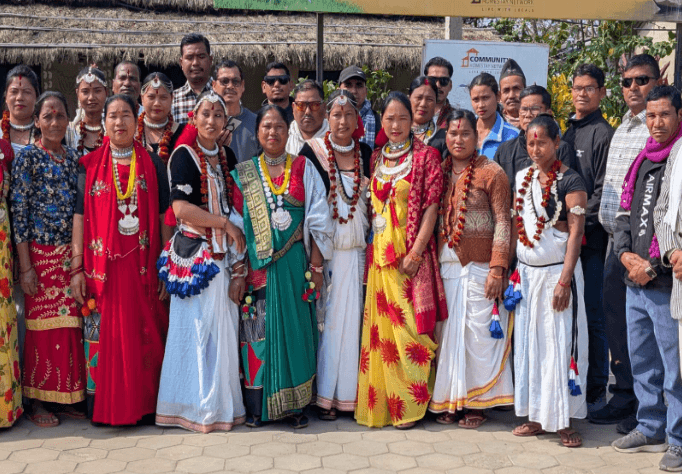
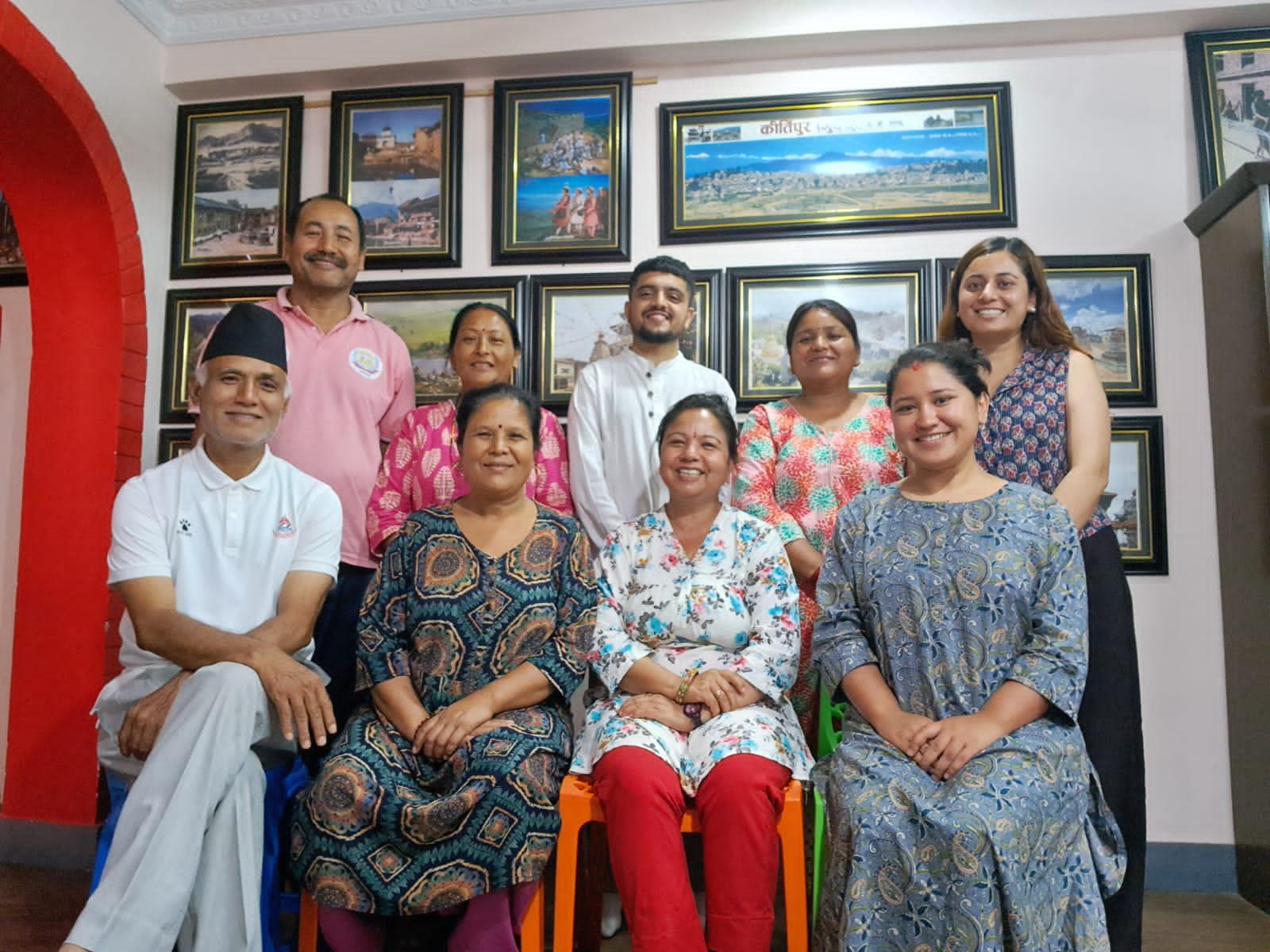
On February 2nd, 2026, the Barauli Community prepared to welcome a somewhat different kind of visitor. The entire Homestay Team of the Bhada Community, comprising 18 people, was welcomed in Barauli for a mutual exchange on management systems, guest engagement, and women's participation in the tourism business.
Having operated as a homestay for a similar length of time as its sister community, the Bhada Hosts are no strangers to hosting travelers. However, there were some minor but crucial differences between the communities' services. With Bhada’s location farther to the west, it is considered much more remote and therefore less likely to be visited by international travelers. Instead, the Bhada Community has mainly hosted domestic Visitors from Nepal, most of whom are less interested in local culture and community engagement. As a result, the homestay team of Bhada was largely content with providing the necessary services for its guests, including food, beverages, and clean accommodations, without engaging in more depth. Hosts, especially women, were generally shy about engaging with international travelers.
The Barauli Community, on the other hand, had, over the years, sophisticated and refined the details of being a host community. Having been exposed to international visitors for over a decade, the community learned that providing a homestay experience transcends basic services such as food and accommodation. While those things lay the cornerstone of a successful experience, gestures like a warm welcome, in-depth guest interaction, and storytelling can transform a stay into a meaningful, memorable homestay. Beyond that, the Barauli Community excels in efficient task management, cooperation among the hosts, as well as the active engagement of women in leading positions to contribute to the overall success of the community.
Learning Beyond Practice: Culture and Connection
With the intention of directing more international travelers to the Bhada Community in the future and recognizing differences in services and organization, the peer-to-peer exchange within the communities was expected to provide a meaningful learning experience and an opportunity for both communities to share ideas.
However, what the members of the Community Homestay Network, while organizing this exchange, didn't expect was the Bhada Community's intention to go beyond a practical peer exchange and to bring a very special gift to their peers in Barauli.
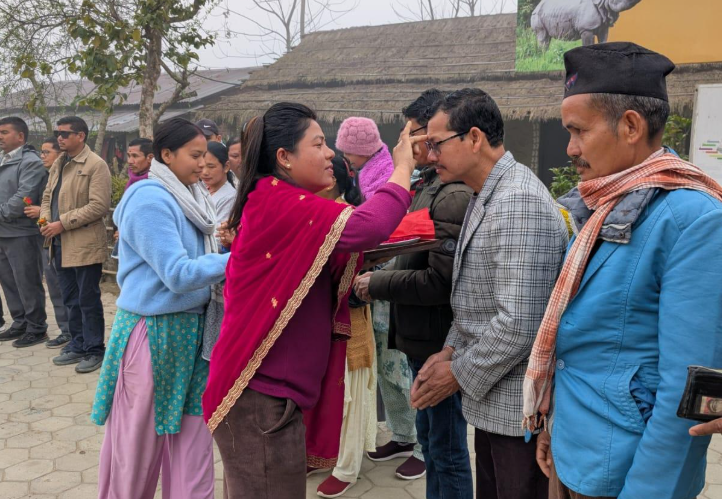
Two people of the same gender, not related by blood, sometimes even strangers to each other, become friends of the soul, forming a spiritual bond that connects them for a lifetime and elevates their relationship to something as precious as a loved family member. Mit Lagaune is a century-old Nepali ritual that was practiced throughout the country and turned strangers into mits (male) or minitis/mitini (female), something closer than friends, connecting not only themselves but also creating a bond between their families. It is usually concluded by the simple exchange of gifts, the traditional tika, and vows of friendship and protection. Mit Lagaune reflects Nepal’s deep values of trust, social harmony, and long-term relationships beyond blood connections. It is a ritual that has sadly decreased in recent decades.
It came, therefore, to no small surprise and excitement to the delegates of CHN and the members of the Barauli Community, as the homestay team of the Bhada Community presented gifts and offered to perform Mit Lagaune with the members of the Barauli Community. This gesture made the exposure visit more than a learning exercise; it became the foundation for solidarity, mutual respect, and a long-term partnership between Bhada and Barauli.
With this touching and inspiring ceremony as an icebreaker, the exchange between the communities continued with a positive, willing energy. The advice and introduction of new concepts were not seen as criticism but rather accepted with an eager mindset to learn and improve. After all, are we not all more open to a friend or family member's honest nudge to change than to the word of a stranger?
Shared Learning and Lasting Impact
The Barauli Community Stay demonstrated a well-coordinated welcome system, where guests were received warmly with clear gestures of hospitality that made them feel comfortable from the beginning. Beyond that the Bhada Team learned from Barauli’s management structure, which was clearly defined, with proper task division among team members as well as Barauli’s Women executed different hand on experiences to the guests. Each host had specific responsibilities, ensuring smooth coordination and punctuality in service delivery. Furthermore, they experienced highly prioritized Guest engagement. Beyond providing food and rooms, hosts interacted with guests through storytelling, cultural explanation, and informal conversations, building meaningful host-guest connections. Barauli’s women’s group, showcased a strong, active role in organizing activities, managing hospitality, and engaging with guests confidently, which sparked encouragement and inspiration in the Bhada Team members, who, especially women hosts, are much more timid to engage with international visitors.
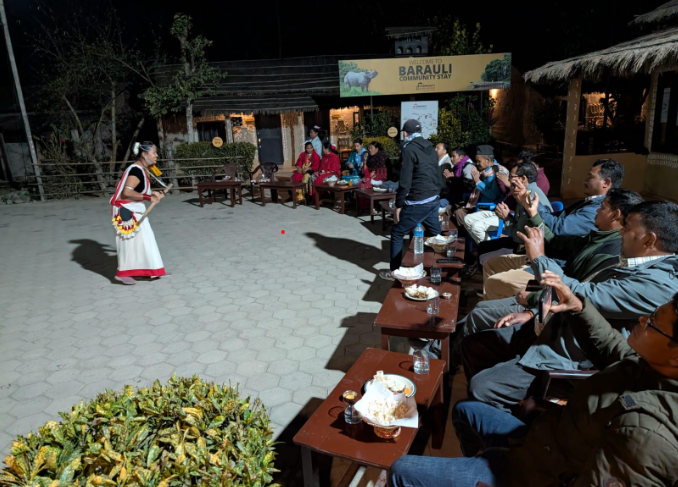
Following up on this exchange of practices and experiences within the Community, the Bhada Team had the possibility to participate in activities such as a jeep safari, a visit to the Tharu Lodge, which were well-structured and added strong experiential value to the stay. Following up these activities, was the evening performance of a cultural program, that not only showcased the rich traditions of the local Tharu community but also created a space for mutual exchange, where the Bhada team presented one of their own dances, creating a spirit of cultural sharing and connection.
Concluding this exchange, the Bhada Team members returned to their community with several valuable insights, such as that Hospitality is not only about amenities or food but also about warmth, confidence, storytelling, and personal connection. As well that small improvements instead of completely new concepts can significantly enhance guest satisfaction. And of course, that including women in leadership roles, proper task division, and teamwork contribute greatly to professionalism and consistency in a business model. But maybe the most memorable conclusion of all is that the communities on this day connected in a century-old tradition, which is part of what drives their business as homestays and makes them, at the same time, preservers and guardians of this unique and amazing culture.