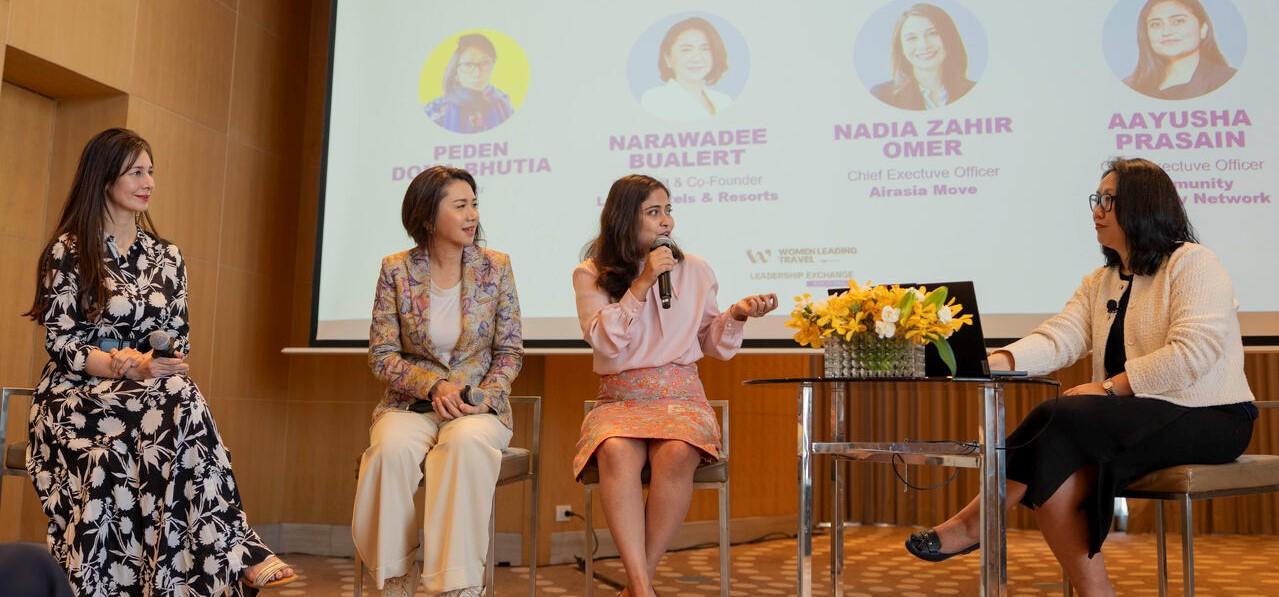
As I look back on the first half of 2026, I found myself reflecting less on milestones and more on conversations, those that happened around conference tables, on panel stages, behind the stage at community level, and during long journeys back from community visits. This year is no different. Over the years, these conversations have shaped how I think about tourism, leadership, and what community tourism needs to become in an increasingly uncertain world.
Kerala: Learning from a State-Led Model
One of the most meaningful experiences this year was participating in the Global Responsible Tourism Meet 2026 in Beypore, Kerala. Not because it was another speaking opportunity or because our work was being recognized, but because it offered something that can sometimes feel rare in our field: the opportunity to sit with practitioners, state level as well as local governments representatives from Kerala, policymakers, and community enterprises who are all wrestling with similar questions.
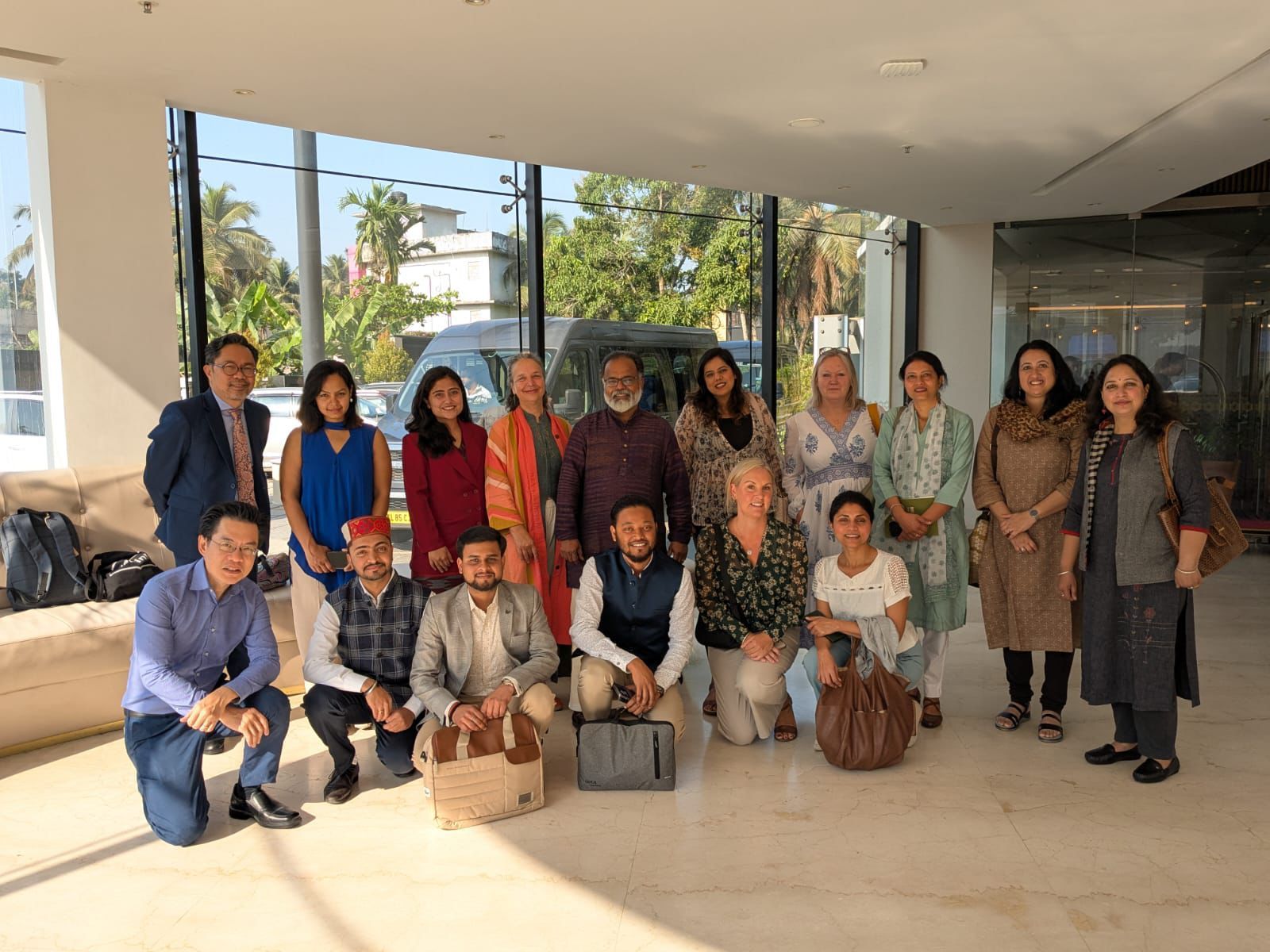
How do we create tourism that genuinely benefits local people? How do we move beyond good intentions and build models that are economically viable, locally owned, and environmentally responsible? And perhaps most importantly, how do we ensure responsible tourism is not seen as a niche alternative but as a legitimate way of thinking about destination development?
What struck me most in Kerala was the role of the state government. Responsible tourism was not being treated as a standalone project or a collection of community enterprises. Through the Responsible Tourism Mission Society Kerala, tourism was embedded within broader systems of governance, with multiple stakeholders from state and local governments and communities to tourism businesses and support organizations all working together.
Nepal's Terai: Listening First
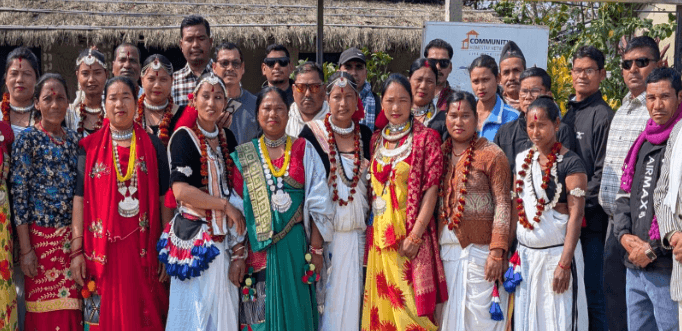
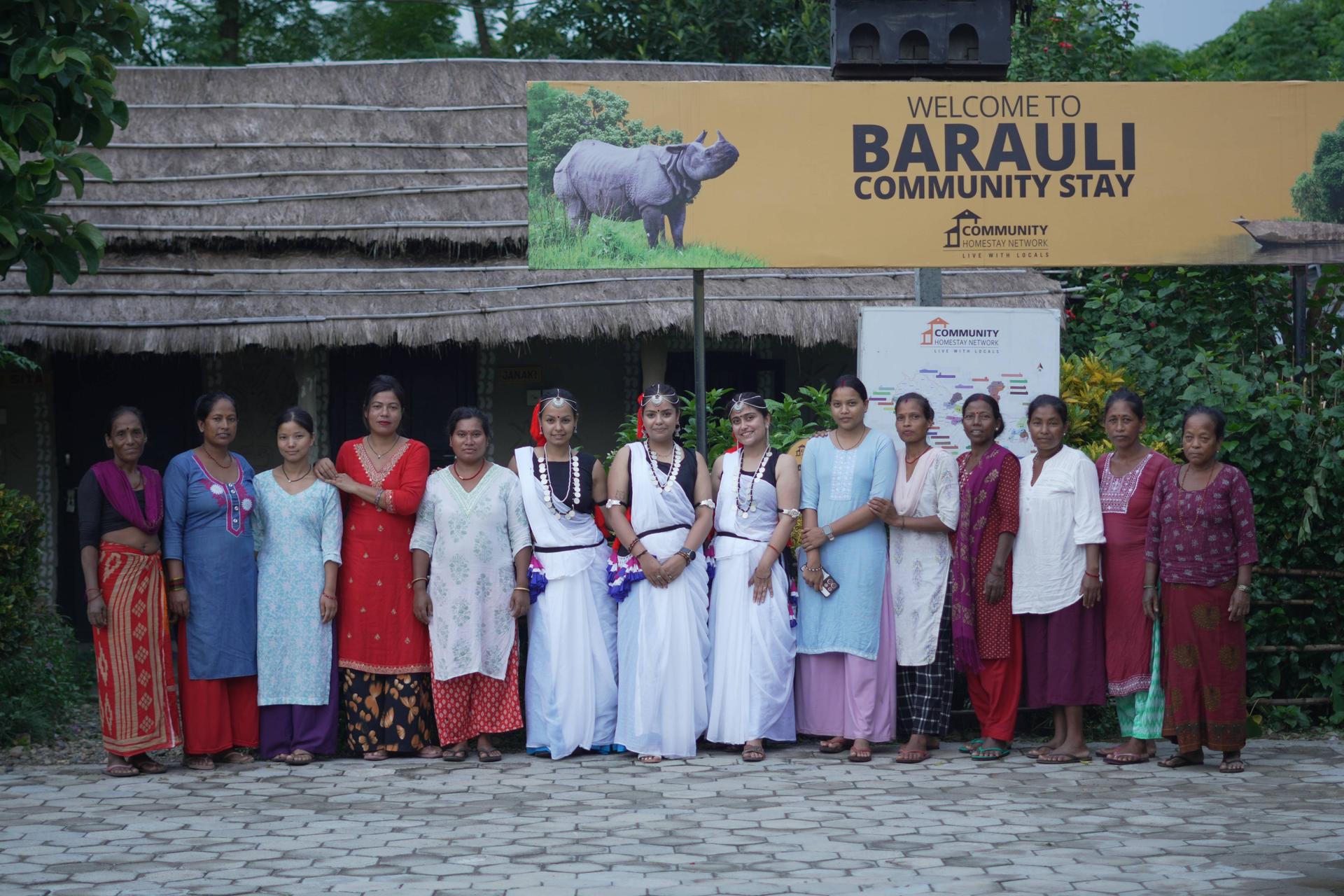
Before attending the global meetup in Kerala, along with my team, I had the opportunity to spend time in Bhada, Bardiya, and Barauli (different parts of the Terai region of Nepal, from Far-West to Central), meeting local governments, community leaders, and entrepreneurs to explore how we can collectively strengthen community tourism and position destinations more responsibly. As always, our work began with listening. We discussed refining tourism products, improving destination accessibility, advocating for domestic flight rates, and facilitating peer-to-peer exchanges between communities. We shared traveler feedback and, in turn, learned from communities about their own aspirations and concerns. One of those exchanges has already evolved into an active learning partnership between destinations.
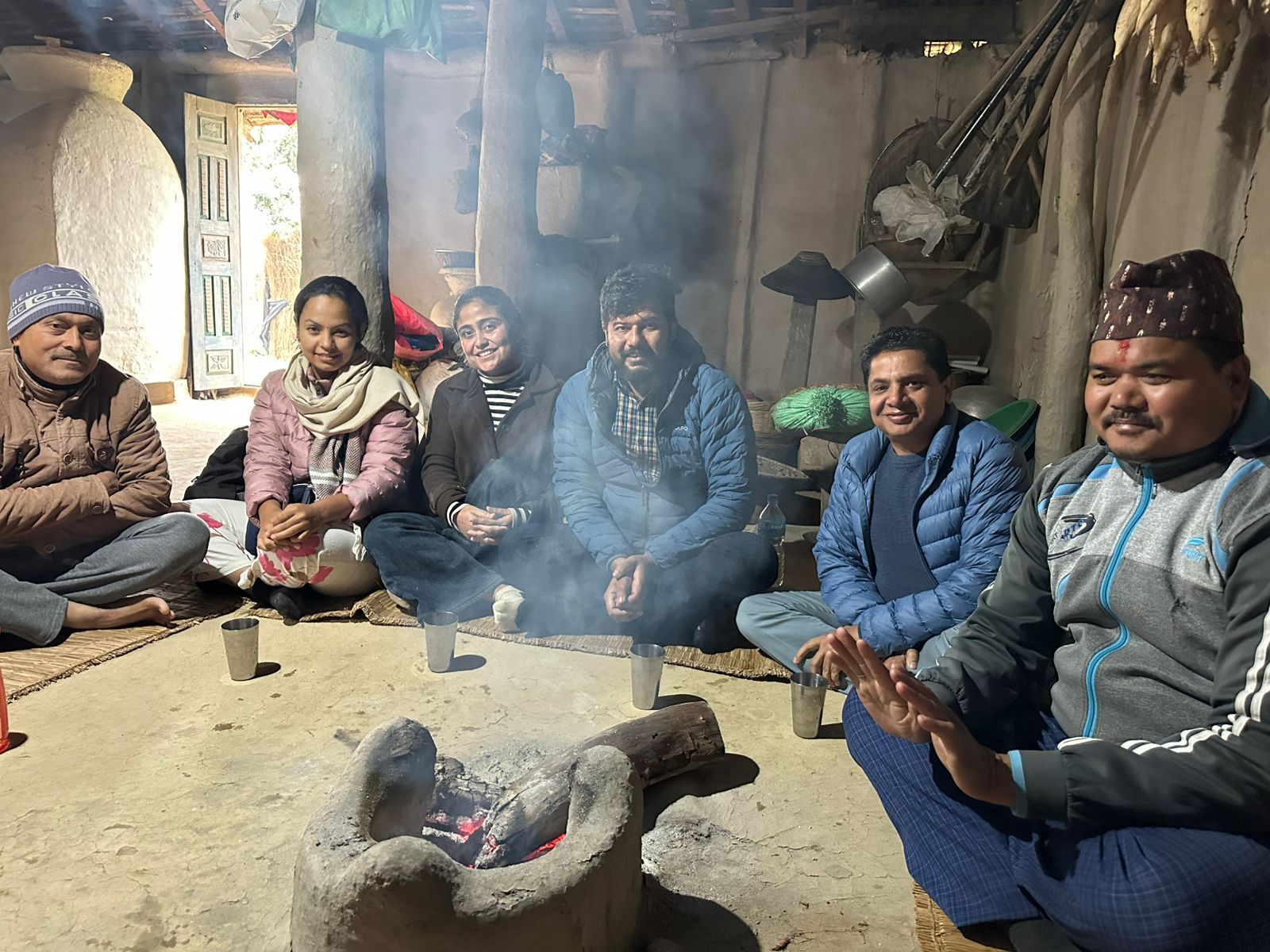
Looking back, those discussions in Nepal and the experience in Kerala felt connected. Communities do not exist in isolation. Neither does tourism. Building resilient destinations requires relationships and collaboration between communities, local governments, private sector actors, and development partners.
Bringing the Private Sector to the Table Early
Perhaps this is why I increasingly find myself drawn to conversations that extend beyond tourism itself.
I participated in the Regional Conference on Private Sector Engagement for Inclusive Growth: Where Business Incentives Meet Development Outcomes, organized by Helvetas Nepal and the Confederation of Nepalese Industries (CNI), where I listened to perspectives on the role of the private sector and found it encouraging to hear a consistent recognition across different sectors such as federations, banking, and development of the private sector as a key pillar of economic growth and a collaborative partner, not an afterthought. This perspective also came through in a recent stakeholder dialogue organized by the Kathmandu Valley Development Authority (KVDA), UN-Habitat, and UNEP on Urban Ecosystem-based Adaptation and Nature-based Solutions, where I emphasized that if governments and development partners genuinely seek ownership and long-term sustainability, the private sector cannot be brought in only at the implementation stage but must be involved from the beginning of planning and policy design.
There I shared our experience of working with multiple partners through the HI-GRID initiative supported by the Australian Government and implemented by ICIMOD in Dhankuta. The project involves Dhankuta Municipality and Chhathar Jorpati Rural Municipality, with private sector partners like Smart Paani, CHN, and HUSADEC, a local NGO playing a key role in local implementation and support. In this case, neither CHN nor Smart Paani arrived with ready-made solutions. We started from the beginning conducting market research, understanding climate vulnerabilities, engaging with issues of gender equality, disability and social inclusion, safeguarding, and exploring what it means to build tourism destinations that are resilient and responsive to local realities. The experience reinforced something we have learned repeatedly: tourism cannot be approached as a standalone sector. Questions around water resources, waste management, destination infrastructural planning, and climate resilience are also tourism questions. Ultimately, the challenge is not simply how to attract visitors but how to make destinations more livable for the people who call them home.
Tourism in a Volatile World
The first half of this year has also been a reminder that tourism remains deeply interconnected with forces beyond our control.
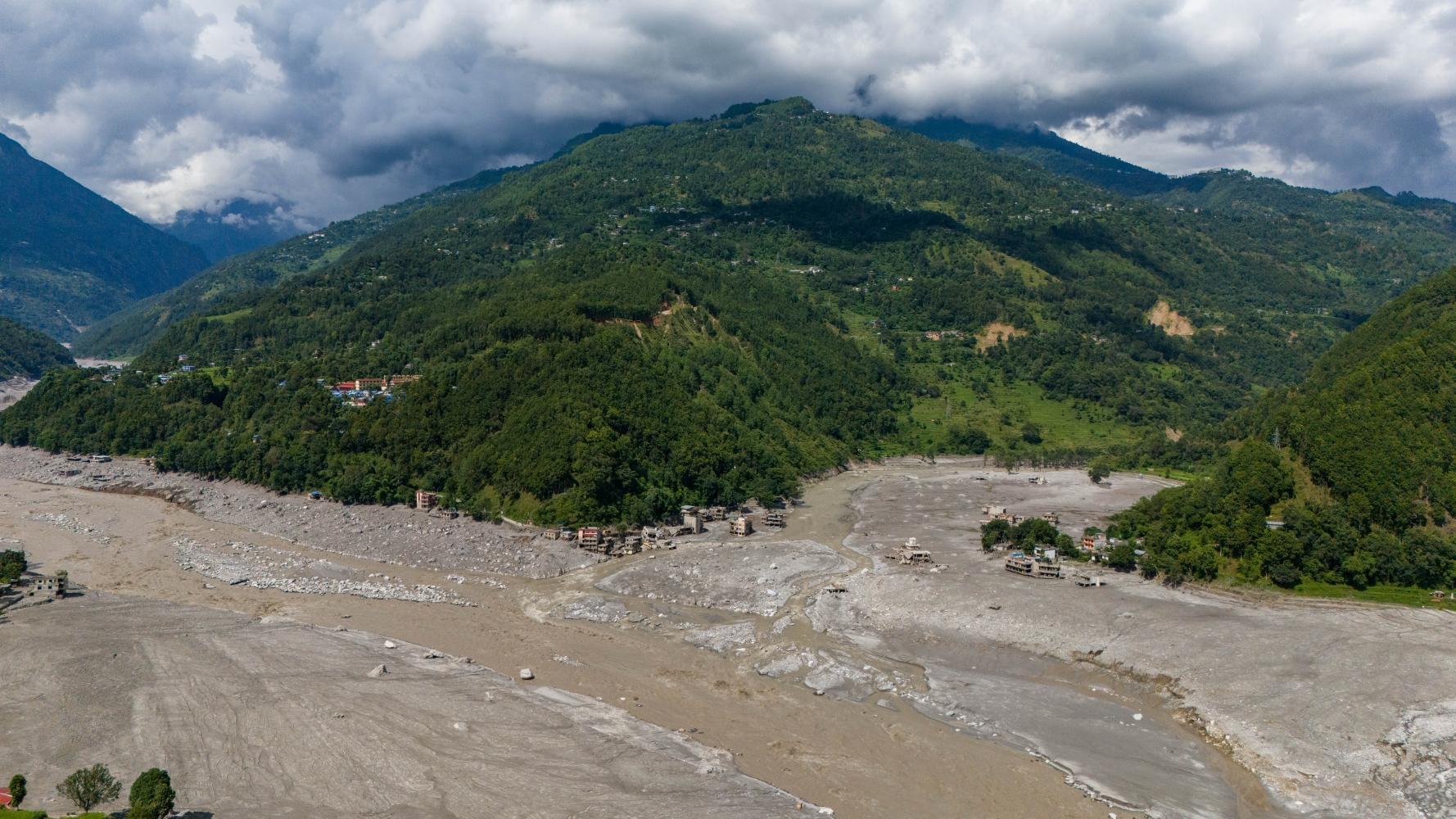
Before March, there was considerable uncertainty within Nepal due to the evolving political situation and public and international concerns around stability. Fortunately, the situation moved in a positive direction. Yet beyond Nepal, global headlines continue to paint a far more uncertain picture. Ongoing conflicts, geopolitical tensions, and fears of a looming global economic slowdown all have implications for tourism. Tourism rarely operates in silos from these events.
When economies slow, consumer confidence weakens, travel decisions become more cautious, and destinations that depend on tourism feel the effects. Often, it is small and medium-sized enterprises, the homestays, community enterprises, guides, and local businesses that absorb the greatest impact. They have fewer buffers against sudden shifts in demand and are often the most vulnerable to external shocks despite contributing significantly to local economies.
Rethinking How Tourism Reaches Markets
For us at CHN, adaptation increasingly means redesigning how tourism reaches markets.
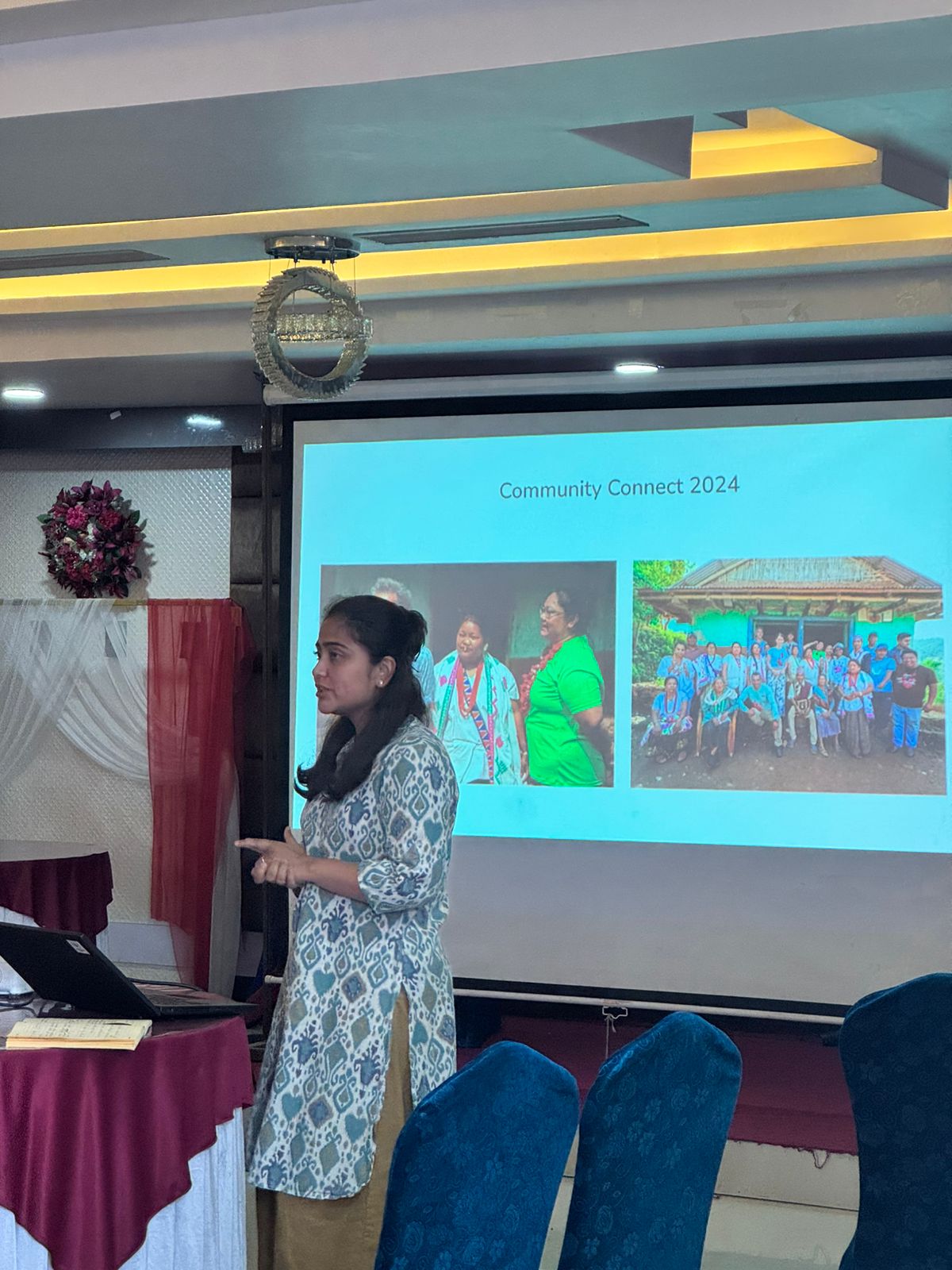
Digital campaigns and social media have undoubtedly increased our visibility. Yet visibility alone does not always translate into bookings. Rising airfares and geopolitical uncertainties have affected conversion rates and influenced how people make travel decisions. In response, we have continued strengthening our B2B systems through Community Connect, our structured familiarization platform that brings international business partners, media, and tourism stakeholders directly into communities. The objective is not simply marketing. It is about rebuilding trust, creating deeper understanding, and fostering long-term partnerships that can sustain demand in an increasingly volatile environment.
Conversations That Cross Borders and Disciplines
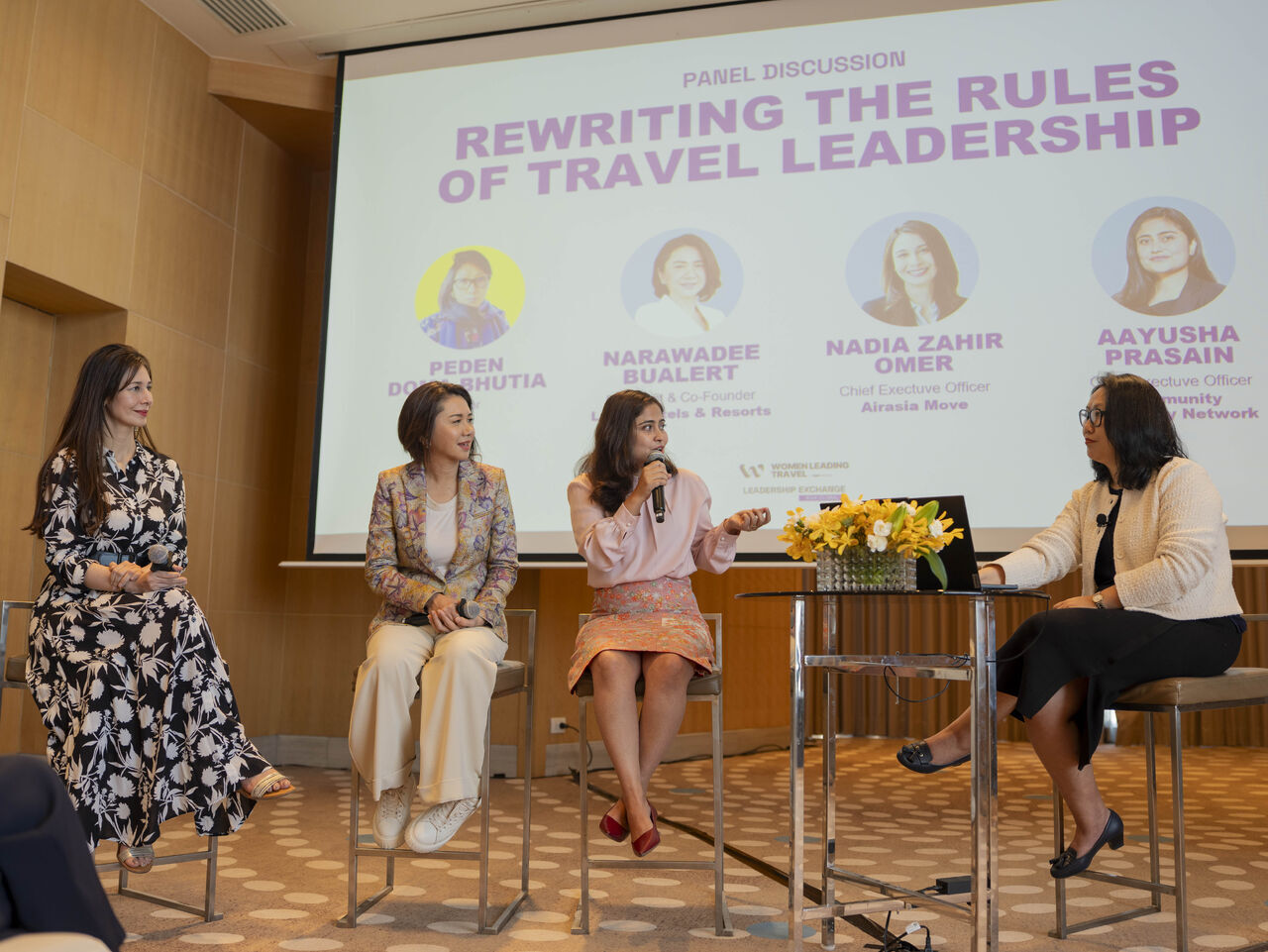
Throughout this period, I also had opportunities to participate as a panelist in conversations through platforms such as Women Leading Travel Asia and the Night of Ideas on sustainable tourism, as well as engage as a guest speaker at Lucerne University of Applied Sciences and Arts (HSLU), along with follow-up discussions from the Sustainability Summit at World Travel Market London. These engagements matter because they create spaces to challenge assumptions in and around tourism. Perhaps one of the most rewarding aspects of these engagements is meeting people, young minds and organizations who, through entirely different pathways, are all contributing to more responsible forms of tourism. Some work on cultural landscapes. Others focus on climate resilience, community enterprises, hospitality, aviation industry, destination management, or policy reform. Their contexts differ, but the underlying questions are remarkably similar.
The Quiet Work of Documentation
In many ways, my role often revolves around partnerships and communication. A significant portion of my time goes into writing reports, documenting our work, preparing presentations, and translating experiences into stories that others can understand and engage with. At times, this work can feel administrative. Yet these engagements constantly remind me why documentation matters. Every community meeting, every discussion with local governments and impact partners, and every conversation with practitioners from around the world provides perspective. They offer reality checks. They challenge assumptions, validate certain approaches, and reveal blind spots that we might otherwise miss.
Looking Ahead to the Second Half of 2026
As we move into the second half of the year, I find myself returning to the same aspiration: how do we continue positioning community tourism not as a niche initiative but as a viable and resilient model that contributes to local economies, strengthens communities, and responds to the realities of our times? I do not think the answer lies in bigger narratives alone. It lies in continuing to listen, building stronger partnerships, engaging meaningfully with policy processes, creating evidence, and remaining willing to adapt.
Closing Thought
The first half of 2026 has shown that our work at CHN, and community tourism more broadly, is an iterative process that demands patience, learning, and collaboration. As I look ahead, I am hopeful. Not because the uncertainties have disappeared, but because I continue to encounter communities, colleagues, governments, academicians, and practitioners who are asking difficult questions and working, in their own ways, toward more inclusive and resilient forms of tourism.